
Blooming
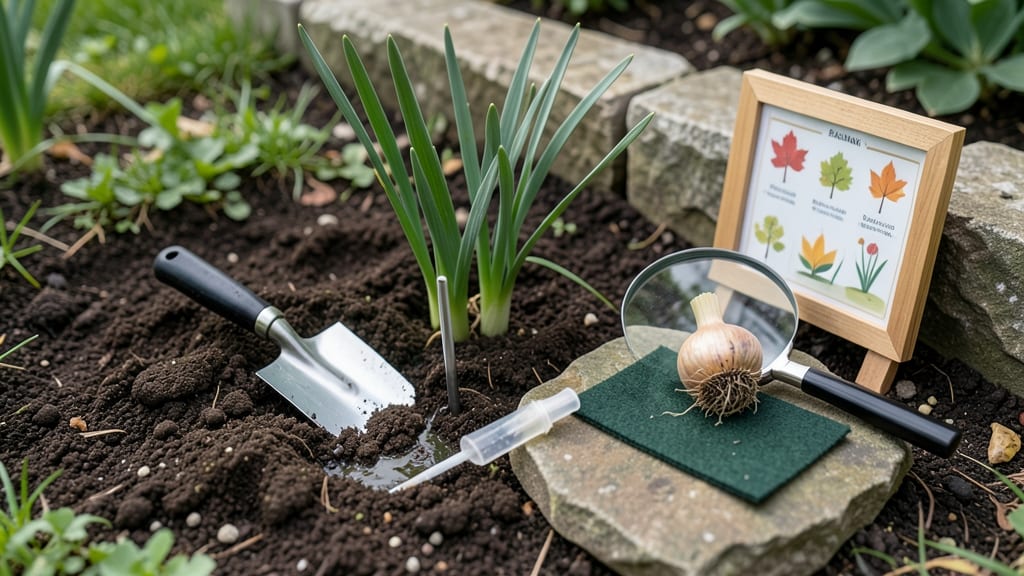
Why didn’t my daffodils bloom this year?—there’s a science-backed reason behind the disappointment. 🌱 I’ve dug through the dirt with gardeners who faced the same frustration, and the culprits are almost always fixable: planting too deep, not enough sunlight, or bulbs that need dividing. The good news? Next spring, you can turn this around with simple adjustments.
Most blooming failures come down to one of three things: light (daffodils need 6+ hours of sun), crowding (bulbs compete for nutrients), or old bulbs (after 3-5 years, they focus on leaves, not flowers). Even soil that’s too rich can trick them into growing foliage instead of blooms.
The fix? Divide clumps every 3-4 years, fertilize lightly in fall, and plant bulbs 6-8 inches deep—shallow is better than deep.
By next spring, you’ll see buds forming earlier and stronger. The secret is patience: daffodils store energy underground, so give them consistent care now, and they’ll reward you with bold, cheerful blooms by March.
Even my first-year mistakes led to a full garden by year three—it’s all about timing and soil.
This works for all daffodil varieties, from early bloomers like ‘Tête-à-Tête’ to late-season ‘Ice Follies’. The same rules apply whether you’re in a sunny border or a shady woodland garden. Let’s get those bulbs ready for a comeback season.
Hidden Reasons Behind Skipped Blooms
Daffodils are hardy, cheerful plants that usually burst into color with minimal fuss—but when they fail to bloom, it’s often due to overlooked factors.
Below, we break down the science-backed reasons your daffodils might have skipped their floral show this year, along with actionable fixes to ensure a vibrant display next season.
Daffodils (Narcissus spp.) are spring ephemerals, meaning they rely on a cold dormancy period to trigger blooming. Without enough chilling (typically 12–16 weeks below 40°F/4°C), the plant’s floral buds stay dormant.
Why it happens:
- Insufficient winter cold (e.g., mild winters, greenhouse-grown bulbs, or newly planted bulbs not yet established).
- Early spring warmth breaking dormancy too soon, confusing the plant’s biological clock.
- Over-mulching or insulating the soil (e.g., thick layers of leaves or straw) that traps heat.
Fix it:
- Plant bulbs in fall (6–8 weeks before the ground freezes) to ensure they experience natural chilling.
- If your winters are too mild, simulate chilling by storing potted daffodils in a cool garage (35–40°F/2–4°C) for 10–12 weeks before spring.
- Avoid heavy mulch in late fall—use a thin layer (1–2 inches) of straw or leaves to protect roots without insulating too much.
Daffodils thrive in full sun to partial shade, but too little light (or sudden shade changes) can divert energy away from flowering toward leaf growth.
Why it happens:
- Newly planted bulbs in shady spots (e.g., under trees) compete for light, producing foliage but no blooms.
- Overcrowding from old bulbs or weeds blocking sunlight.
- Sudden shade (e.g., a newly planted tree) after bulbs have already pushed up shoots.
Fix it:
- Site bulbs in full sun (6+ hours of direct light daily) for best blooming.
- If shade is unavoidable, choose early-blooming varieties (e.g., Narcissus ‘Tête-à-Tête’), which tolerate lower light better.
- Thin out competing plants (weeds, grass) around bulbs to reduce competition.
Daffodils are drought-tolerant but sensitive to soggy soil—especially during critical growth stages. Poor watering can stunt blooms or cause bulbs to rot before they flower.
Why it happens:
- Underwatering during root growth (fall) or shoot emergence (early spring) stresses bulbs, delaying or preventing blooms.
- Overwatering (e.g., poorly drained soil, rain + mulch combo) leads to bulb rot or fungal diseases like Basidiomycetes, which weaken the plant.
- Irregular watering (e.g., drought followed by sudden soaking) confuses the plant’s growth cycle.
Fix it:
- Water deeply but infrequently: Aim for 1 inch of water per week (including rain), focusing on fall planting and early spring (when shoots emerge).
- Improve drainage by amending soil with compost or sand if your area stays waterlogged.
- Avoid wetting foliage during blooming (to prevent fungal issues) and stop watering entirely once leaves yellow in summer (to encourage bulb storage).
Daffodils have a narrow temperature sweet spot for blooming. Extreme heat, late planting, or early spring warmth can disrupt flower formation.
Why it happens:
- Planting too late in fall (after the ground freezes) prevents bulbs from establishing roots before winter.
- Early spring heat waves (before blooming) can burn buds or cause them to drop.
- Sudden temperature swings (e.g., warm spells in winter) can confuse dormancy signals.
Fix it:
- Plant bulbs in fall (4–6 weeks before the first hard frost) for optimal root growth.
- Mulch lightly (1–2 inches) after planting to protect from freeze-thaw cycles.
- If your spring is unusually warm, provide afternoon shade for emerging shoots to prevent heat stress.
Daffodils need balanced nutrients, but excess nitrogen (from fertilizer or compost) can lead to leafy growth at the expense of blooms.
Why it happens:
- Over-fertilizing with nitrogen (e.g., lawn fertilizer, fresh manure) encourages foliage over flowers.
- Poor soil (lack of phosphorus/potassium) weakens bulb energy reserves, reducing bloom potential.
- Old or crowded bulbs (5+ years) may exhaust soil nutrients, leading to fewer flowers.
Fix it:
- Fertilize lightly in early spring (when shoots emerge) with a balanced 5-10-10 or 10-10-10 formula (low nitrogen).
- Avoid high-nitrogen fertilizers (like lawn food) near daffodil beds.
- Divide bulbs every 3–5 years to prevent overcrowding and replenish nutrients with compost.
Hidden bulb pests (e.g., squirrels, voles, slugs) or fungal infections can damage or consume buds before they bloom.
Why it happens:
- Squirrels/voles dig up and eat bulbs or chew emerging shoots.
- Slugs/snails munch on flower buds or young foliage.
- Fungal diseases (e.g., Basidiomycetes root rot, Botrytis blight) weaken bulbs, preventing blooming.
Fix it:
- Protect bulbs at planting with chicken wire cages or granular repellents (e.g., castor oil-based slug bait).
- Inspect bulbs at planting for soft spots or mold (discard affected ones).
- Improve airflow around plants to reduce fungal risks (avoid mulching too heavily).
Not all daffodils bloom every year—and some skip blooming entirely due to age or genetics.
Why it happens:
- Young bulbs (first 1–2 years) may focus on root/foliage growth before flowering.
- Old bulbs (5+ years) can become exhausted, producing fewer blooms.
- Some varieties (e.g., Narcissus ‘Paperwhite’) are forced for indoor blooming and may not perform well outdoors.
Fix it:
- Be patient with new plantings—wait 2–3 years for consistent blooms.
- Divide and replant bulbs every 3–5 years to rejuvenate growth.
- Choose reliable bloomers like ‘Ice Follies’ or ‘Tête-à-Tête’ for consistent outdoor performance.
How to solve it
Don’t let another season pass without those cheerful yellow trumpets! With the right fixes, you can coax your daffodils back to life—and even prevent future disappointments. Below, we’ve matched common causes to actionable solutions, so you can diagnose and act like a pro. Let’s get those bulbs blooming again!
Daffodils need full sun (6+ hours daily) and proper depth to thrive. If they’re planted too shallow or in shady spots, they’ll focus on leaves instead of flowers.
How to Fix It:
- 🔥 Move them to sunnier ground: Relocate bulbs to a spot with at least 6 hours of direct sunlight. Morning sun is ideal—it prevents scorching.
- 👨🍳 Replant at the right depth: Dig a hole 6–8 inches deep (twice the bulb’s height) and 6 inches apart. Use well-draining soil to avoid rot.
- 🌡️ Test your soil: If it’s heavy clay, mix in compost or sand to improve drainage.
Prevention Tips:
✨ Mark their spot: Use landscape fabric or stakes to remember where you planted them—daffodils hate being disturbed!
🎯 Plant in fall: Daffodils need 6–8 weeks of cool weather to root before winter. Aim for October–November in most climates.
Too much moisture (or soggy soil) can rot bulbs or prevent flowering. Daffodils store energy underground—if they’re waterlogged, they’ll skip blooming.
How to Fix It:
- 🔪 Improve drainage: Amend heavy soil with perlite or coarse sand. If planting in containers, use a mix with 50% potting soil + 50% perlite.
- ⏰ Water wisely: Only water when the top 2 inches of soil are dry. Overhead watering can spread disease—use a drip system or soaker hose instead.
- 🌧️ Check for soggy spots: If your garden has poor drainage, consider raised beds or mounding soil around bulbs.
Prevention Tips:
💡 Mulch lightly: Apply 1–2 inches of mulch (like straw or shredded leaves) to retain just enough moisture—don’t smother the bulbs.
🌡️ Avoid low spots: Daffodils hate “ponding” water. Plant them on a slight slope or in areas where water runs off quickly.
Daffodils multiply over time, and too many bulbs in one spot compete for nutrients. Older bulbs (5+ years) may stop flowering as they focus on producing offsets.
How to Fix It:
- 🌿 Divide and conquer: Dig up clumps in early summer (June–July) when foliage turns yellow. Separate bulbs, discarding soft or shriveled ones.
- 📊 Replant strategically: Space bulbs 6 inches apart and replant in a new location with fresh soil. This gives them room to grow.
- 🔄 Fertilize for rebloom: After dividing, feed with a balanced bulb fertilizer (10-10-10) or bone meal to encourage new growth.
Prevention Tips:
✨ Rotate planting spots: Every 3–4 years, move daffodils to a new area to refresh their energy.
🎯 Deadhead spent blooms: Remove faded flowers, but leave the foliage until it yellows naturally—this helps bulbs store energy for next year!
Daffodils need cold stratification (a winter chill) to bloom. If planted too late in fall or exposed to unseasonable warmth, they may not get the signal to flower.
How to Fix It:
- 📅 Adjust your planting timeline: Aim for 6–8 weeks before your first hard frost. In warm climates, plant in December–January.
- 🌡️ Use chilling tricks: If your area has mild winters, refrigerate bulbs for 8–10 weeks before planting (store in a paper bag in the veggie drawer).
- 🏡 Protect from heat waves: In spring, shade young shoots with row covers if temperatures spike above 85°F (29°C).
Prevention Tips:
💡 Check your hardiness zone: Daffodils thrive in zones 3–8. If you’re in zone 9+, choose early-blooming varieties like ‘Tête-à-Tête’ or ‘February Gold.’
🎯 Mulch for insulation: In winter, add 3–4 inches of straw mulch to protect bulbs from freezing-thaw cycles.
Daffodils need phosphorus and potassium for blooms, but too much nitrogen (like lawn fertilizer) makes them grow leaves instead of flowers.
How to Fix It:
- 📊 Test your soil: Use a home soil test kit to check pH (ideal: 6.5–7.0) and nutrient levels.
- 🍄 Feed the right way: In early fall, apply a low-nitrogen bulb fertilizer (5-10-10) or bone meal. Avoid high-nitrogen lawn fertilizers!
- 🌱 Top-dress with compost: In late winter, sprinkle 1 inch of compost around bulbs to boost organic matter.
Prevention Tips:
🔥 Avoid over-fertilizing: More fertilizer ≠ more blooms. Too much nitrogen = leafy monsters, no flowers!
✨ Use slow-release options: Try osmocote or bulb-specific granules for steady nutrition without burning roots.
Pro Tip: Keep a garden journal! Note when you planted, fertilized, and divided bulbs. Patterns emerge—maybe your daffodils bloom better after a dry winter
Frequently asked questions
Why do some daffodils bloom every year while others skip?
Young bulbs (first 1-2 years) focus energy on root growth, while older bulbs (5+ years) may become exhausted. Varieties like 'Tête-à-Tête' bloom reliably, but some types prioritize foliage over flowers. Dividing clumps every 3-5 years helps rejuvenate blooming potential.
Can I force my daffodils to bloom next spring?
Yes! Start by ensuring they get 6+ hours of sun and proper drainage. For mild climates, refrigerate potted bulbs for 8-10 weeks before planting to simulate winter chilling. Light fertilization with bone meal in fall also encourages stronger blooms.
What's the best way to tell if my daffodils are healthy?
Healthy daffodils have straight, green foliage that stays upright until it yellows naturally. Check for firm bulbs when digging (soft spots indicate rot). Strong roots and minimal pests mean they're storing energy well for next year's blooms.
Will dividing my daffodils help them bloom better?
Overcrowded bulbs compete for nutrients and often produce fewer flowers. Dig up clumps in early summer, separate the bulbs, and replant in fresh soil. This gives them space to rebuild energy reserves and encourages more abundant blooming within 1-2 years.
Can I still get flowers if I planted my daffodils too late?
Late planting reduces but doesn't eliminate blooming chances. Bulbs need 6-8 weeks to establish roots before winter. If planted after frost, they may produce smaller blooms or none at all. For next year, aim to plant 4-6 weeks before first frost for best results.