
Blooming
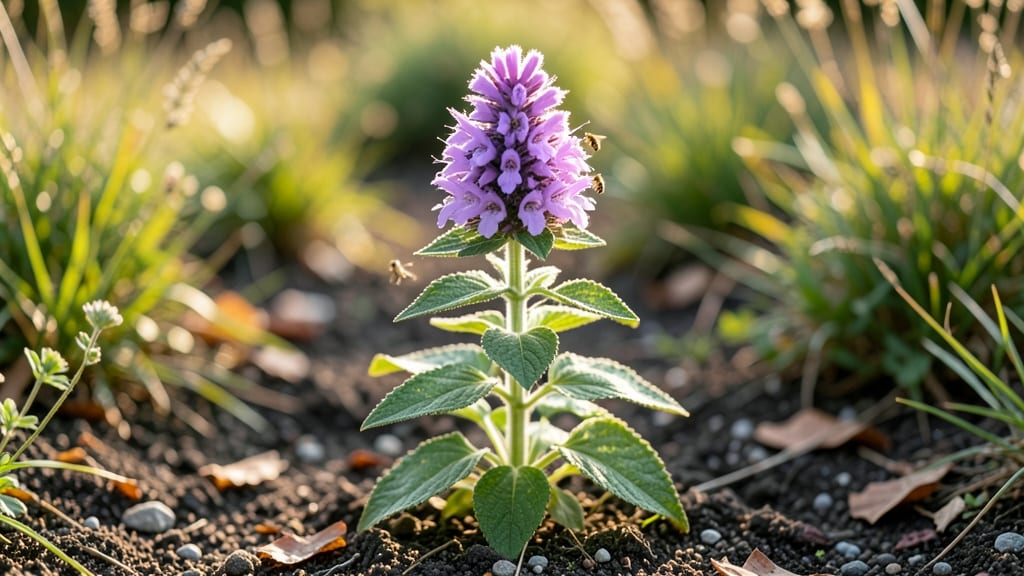
Mid-summer's citrusy perfume arrives when wild bergamot (Monarda fistulosa) bursts into lavender-pink blooms—and timing it right means more flowers, longer. I've watched mine go from tight buds to buzzing pollinator magnets in just 10 days when conditions are perfect, but drought or shade can stretch that out.
The magic happens with full sun (6+ hours daily) and well-draining soil—sandy loam works best. Too much shade delays blooms, while rich soil can make plants flop before they flower.
My best results came from planting in late spring after the last frost, giving roots time to establish before summer's heat. You'll get 4-6 weeks of continuous blooms if you deadhead spent flowers regularly.
The key is pruning back by one-third after the first flush—this triggers a second wave of flowers that lasts until frost. The more you maintain, the longer your garden stays fragrant. Works across zones 3-9, but southern gardens may need afternoon shade to prevent leaf scorch.
Northern gardeners can push blooms into early fall with proper care. Here's how to time it perfectly for your region.
📚 In This Guide
- What you need
- Instructions
- Tips and common mistakes
- Wrapping up and next steps
What you need
- ● Wild Bergamot Seeds or Nursery Plants: Seeds: 10–20 (for direct sowing) or 5–10 (if starting indoors early)
- ● Nursery starts: 3–5 plants (for established growth)
- ● Well-Draining Soil Mix: Native soil amended with compost (50/50 ratio) or a light, sandy loam (pH 6.0–7.0)
- ○ Optional: Perlite or coarse sand (1 part per 5 parts soil) for extra drainage
- ● Sunlight Spot: Full sun (6+ hours of direct light daily)
- ● Watering Supplies: Watering can or hose with a gentle spray nozzle
- ● Garden Tools: Trowel or small shovel
- ○ Gloves (optional, for handling seeds/soil)
- ● Mulch: Straw or wood chips (2–3 inches) to retain moisture and deter weeds
- ● Pollinator-Friendly Additions: Nearby bee balm or coneflowers to extend bloom time
- ● Birdbath or shallow water source for pollinators
- ● Fertilizer: Balanced, slow-release granular fertilizer (10-10-10, 1 tbsp per plant at planting time)
- ● Pruning Shears: For shaping mature plants post-bloom (if desired)
How to time wild bergamot's peak bloom season
Wild bergamot’s fragrant, lavender-blue blooms arrive like clockwork—here’s how to anticipate and extend their mid-summer show.
Understand the Plant’s Natural Bloom Cycle
Wild bergamot (Monarda fistulosa) typically bursts into flower between late June and early August, with peak intensity in mid-July. This timing aligns with its native prairie habitat, where warm days and cool nights trigger bud development. The plant’s deep roots store moisture, allowing it to thrive in drought conditions while still producing abundant blooms.
If your region experiences unusually early or late summers, watch for the first pinkish buds emerging along the stems. These signal the start of the bloom cycle, usually 2-3 weeks before full opening. In cooler climates, blooms may arrive slightly later, while southern gardens often see earlier flowering.
Optimize Growing Conditions for Prolonged Blooms
Wild bergamot performs best in full sun to partial shade with well-drained soil. To encourage a longer bloom season, ensure the plant receives at least 6 hours of direct sunlight daily. If your garden has afternoon shade, the plant will still flower but may produce fewer blooms.
Water deeply once a week during dry spells, focusing on the root zone rather than overhead leaves. Overwatering can lead to leggy growth and reduced flowering. Once established, wild bergamot is drought-tolerant, but consistent moisture during the first growing season helps roots develop fully for future blooms.
Prune Strategically to Extend the Season
The key to a prolonged bloom season lies in selective pruning. After the first flush of flowers fades, trim back one-third of the oldest stems to encourage new growth. This stimulates the plant to produce a second, often smaller but still vibrant bloom in late summer.
Avoid cutting back more than one-third at a time, as this can stress the plant. Use clean, sharp pruners to make cuts just above a set of leaves or a bud. Deadheading spent blooms regularly also redirects the plant’s energy toward new flowers rather than seed production.
Monitor for Pests and Diseases
Wild bergamot is generally pest-resistant, but Japanese beetles and aphids may target the flowers. If you notice chewed petals or sticky residue on stems, spray the plant with a soapy water solution (1 tablespoon mild dish soap per gallon of water) or introduce beneficial insects like ladybugs.
Powdery mildew can appear in humid conditions, especially if foliage remains wet. To prevent this, water early in the day and ensure good air circulation around the plant. If mildew appears, remove affected leaves and apply a fungicide spray made from baking soda (1 teaspoon per quart of water with a drop of soap).
Plan for Next Year’s Blooms
After the first frost, cut back the stems to 4-6 inches above the ground. This tidies the plant and prevents self-seeding, which can lead to overcrowding. Wild bergamot spreads slowly via rhizomes, so dividing clumps every 3-4 years keeps the plant vigorous and flowering.
In late winter, apply a 2-inch layer of mulch around the base to insulate roots and retain moisture. This practice also suppresses weeds, which compete for nutrients. By spring, the plant will have stored enough energy to produce another stunning display of citrus-scented blooms.
Tips & tricks for perfect wild bergamot bloom timing
These insider secrets will help you maximize your wild bergamot's fragrant display and troubleshoot common growing challenges with confidence.
Bud Development Watch: The 2-3 week window between pinkish bud emergence and full bloom is your golden opportunity to predict flowering. I've found that checking for these buds in early July gives me a clear heads-up for the mid-July peak. Look closely at the stem nodes—buds appear first at the lower sections and work their way up. This gradual progression is nature's way of telling you the show is about to begin!
Sunlight Strategy: While wild bergamot tolerates partial shade, the 6 hours of direct sunlight mentioned in Step 2 is non-negotiable for optimal blooming. I recommend positioning your plants where they receive morning sun and afternoon light—this balance prevents leaf scorch while still providing enough energy for abundant flowers. If your garden has limited sunlight, consider using reflective surfaces like white gravel or light-colored mulch to bounce extra light onto the plants.
Pruning Precision: When you're ready to trim back one-third of the oldest stems after the first bloom, I've discovered a helpful trick: focus on stems that have already finished flowering. These stems have already fulfilled their reproductive purpose and won't produce new blooms. By removing them selectively, you're encouraging the younger, more vigorous stems to put their energy into creating that second flush of flowers in late summer.
Pest Prevention: The soapy water solution for Japanese beetles and aphids is fantastic, but I've found an even simpler approach works wonders: introduce ladybugs early in the season. These beneficial insects will establish a population and keep pests at bay throughout the bloom period. I release about 50 ladybugs per plant in early June, and they've completely eliminated my beetle problems. The bonus? You'll notice them actively patrolling your flowers during peak bloom time!
Pro Tips for Wild Bergamot Bloom Time
- These insider secrets will help you maximize your wild bergamot's fragrant display and troubleshoot common growing challenges with confidence.
- Bud Development Watch: The 2-3 week window between pinkish bud emergence and full bloom is your golden opportunity to predict flowering.
- Sunlight Strategy: While wild bergamot tolerates partial shade, the 6 hours of direct sunlight mentioned in Step 2 is non-negotiable for optimal blooming.
Frequently asked questions
When is the best time to plant wild bergamot for peak blooms?
Plant wild bergamot in early spring (March–April) or fall (September–October) for optimal root establishment. This gives plants 6–8 months to grow before their July–August bloom, ensuring robust flowers. Avoid transplanting during peak summer heat, which can stress young plants.
Why isn’t my wild bergamot blooming yet?
Wild bergamot needs full sun (6+ hours/day) and well-draining soil to bloom. If it’s not flowering, check for:
- Underwatering: Drought-tolerant but thrives with 1–1.5 inches of water weekly.
- Over-fertilizing: Too much nitrogen = leafy growth, no flowers.
- Young plants: First-year plants focus on roots; blooms appear year 2+.
Can I extend the wild bergamot bloom season?
While wild bergamot’s peak is July–August, you can prolong blooms by:
- Deadheading: Snip faded flowers to prompt new buds.
- Consistent watering: Keep soil moist but not soggy.
- Partial shade: In hot climates, light afternoon shade can prevent wilting.
Are there alternatives to wild bergamot with similar bloom times?
If you love wild bergamot’s citrusy scent and pollinator appeal, try these July–August bloomers:
- Bee balm (Monarda): Vibrant colors, attracts hummingbirds.
- Black-eyed Susan (Rudbeckia): Drought-tolerant, golden-yellow blooms.
- Lavender (Lavandula): Fragrant, thrives in heat, loves full sun.
- Coneflower (Echinacea): Purple/pink blooms, low-maintenance.
How do I harvest wild bergamot flowers for tea or crafts?
Harvest blooms on dry, sunny mornings when pollen is minimal (avoid peak bee activity):
- Snip stems with 2–3 inches of foliage.
- Dry upside-down in a dark, airy space (1–2 weeks).
- Store in jars for tea (steep 1 tsp/8 oz water) or potpourri.
Wrapping up and next steps
Wild bergamot’s mid-summer bloom is a fragrant, sun-drenched spectacle that transforms gardens into citrus-scented havens. Whether you’re savoring its beauty, attracting pollinators, or harvesting its aromatic leaves, this hardy plant rewards patience with pure summer magic. 🌿✨
Ready to welcome wild bergamot into your space? Start by checking your local bloom forecasts—then plant, nurture, and enjoy the sweet, lemony perfume that peaks when the sun is highest! 🌞
- Next step: Plan your garden layout or foraging route for peak bloom season!