
Blooming
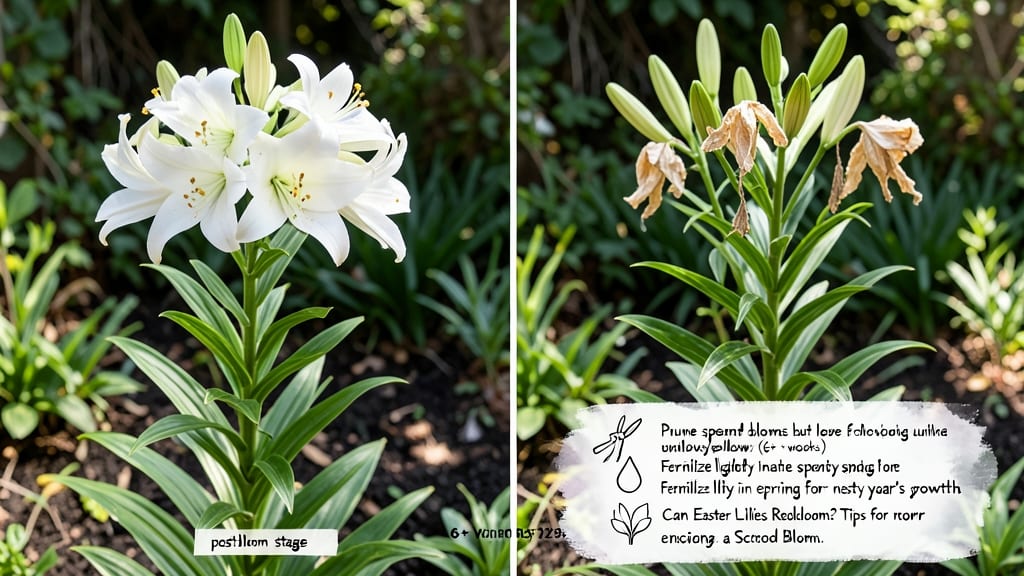
Whether an Easter lily will bloom again depends on its growing conditions—most varieties are annuals in cooler climates, but some may produce smaller reblooms with proper care, especially when given winter dormancy in perennial zones.
Easter lilies are energy-intensive bloomers, meaning they prioritize producing stunning flowers over long-term growth. 🌸 After their first bloom, the plant often diverts all its resources to seed production, leaving little energy for future flowers.
However, in warmer climates (USDA zones 7-10), some varieties can store energy in their bulbs and rebloom the following year if given consistent care—think bright indirect light, balanced fertilization, and minimal disturbance during dormancy.
The key difference lies in how the plant's lifecycle aligns with seasonal changes, where cooler regions force annual behavior while warmer zones allow perennial patterns.
For those hoping to coax a second bloom, focus on mimicking natural conditions: reduce watering in late fall to signal dormancy, protect bulbs from freezing temperatures, and provide a nutrient boost with a low-nitrogen fertilizer in early spring.
Container-grown lilies may need extra attention since their root systems are more vulnerable to temperature fluctuations. Remember, even with ideal care, reblooming isn't guaranteed—it's more about extending the plant's lifespan than forcing another dramatic display.
💡 In This Article
- Why Easter Lilies Rarely Rebloom: Botany and Growth Cycles
- How to Maximize Easter Lily Reblooming Success
Why Easter lilies rarely rebloom: botany and growth cycles
The Easter lily's decision not to rebloom comes down to its energy budget. After producing those iconic white blooms, the plant shifts its focus from flowers to seed production—a survival strategy that drains its energy reserves.
This is especially true in cooler climates (USDA zones 5-6), where the plant treats blooming as a one-time reproductive event before winter dormancy. The bulb stores nutrients for next year's growth, but not enough to support another full bloom cycle. 🌱
In warmer climates (USDA zones 7-10), the story changes. Here, some varieties like the 'Stargazer' or 'Casa Blanca' can behave more like perennials, storing energy in their bulbs and root systems to attempt reblooming.
The key difference is temperature regulation: cooler winters trigger dormancy, while milder winters allow the plant to maintain active growth. Scientifically, this relates to photoperiodism—the plant's response to daylight length—which cues flowering in spring but may not repeat if the plant hasn't fully recovered its energy stores.
Root development plays a crucial role too. Mature bulbs with well-established root systems (typically 2+ years old) have a better chance of reblooming because they've built up more starch reserves. Younger plants, especially those grown from seed or small bulbs, lack this energy foundation.
This is why you'll often see reblooming attempts in garden-grown lilies rather than potted varieties, which have more restricted root zones. 🌿
The bulb itself acts like a biological battery. After flowering, it undergoes a process called "bulbification," where it converts floral energy into storage carbohydrates. However, this process competes with the plant's need to produce seeds—nature's way of ensuring genetic propagation.
In ideal conditions, some bulbs can allocate about 30% of their energy to storage, leaving enough for potential reblooming, but this is the exception rather than the rule.
Seasonal cues also matter. Easter lilies are day-neutral plants, meaning they don't strictly depend on daylight length for flowering. Instead, they respond to temperature fluctuations and soil moisture levels.
In cooler regions, the sudden drop in temperatures after blooming signals the plant to prepare for dormancy, effectively "resetting" its growth cycle. This biological clock makes reblooming unlikely unless you can mimic perpetual growing conditions, which is nearly impossible outdoors.
Consider this: a single Easter lily bloom can require up to 3 months of active growth and energy accumulation. The plant's entire focus during this time is on producing those showstopping flowers, leaving minimal resources for anything else.
Even if you provide perfect care, the plant's physiological priorities make reblooming a challenging goal. The few cases where reblooming occurs typically involve varieties that have evolved in warmer climates where seasonal extremes are less pronounced. ✨