
Blooming
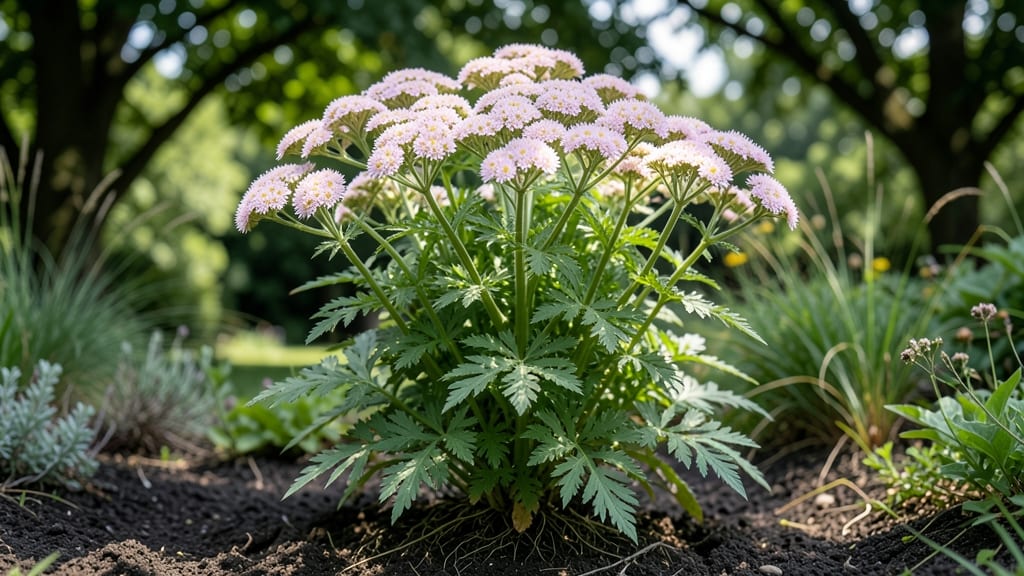
Yarrow blooms from early summer to fall 🌼, but the exact timing depends on your climate zone and how you care for the plant.
If you’re waiting for those vibrant yarrow blooms to light up your garden, timing is everything—especially when climate zones shift flower cycles by weeks.
This hardy perennial thrives in USDA Zone 6a and beyond, with first flowers typically appearing in June and lasting through September if deadheaded regularly.
Below, I’ll break down how to predict your yarrow’s bloom window, extend its flowering season, and troubleshoot delayed blooms—so you can enjoy its cheerful clusters all summer long.
Yarrow bloom time by USDA climate zones: when to expect first & repeat flowers
Yarrow (Achillea spp.) is one of the most reliable perennial flowers for long-lasting blooms, but its bloom timing shifts dramatically across USDA climate zones.
In Zone 3, expect your first flower clusters as early as late May, while gardeners in Zone 10 may see them debut in March. These differences aren’t just about latitude—they’re influenced by altitude, microclimates, and even soil temperature.
Understanding your zone’s pattern helps you plan for peak bloom windows and repeat flowering.
Most yarrow varieties produce their first flush of flowers when daytime temperatures consistently reach 65°F (18°C) for at least 3-4 weeks. In cooler zones, this often aligns with late spring, while warmer zones may see early summer blooms.
What’s fascinating is how yarrow reblooms—with proper care, you can enjoy continuous flowers from June through early fall, even in Zone 5 where hard frosts arrive sooner.
| USDA Zone | First Bloom Window | Repeat Blooms | Altitude Adjustment | Key Trigger |
|---|---|---|---|---|
| 3-4 | Late May - Early June | June - September | +1 week per 1,000 ft | Soil temp 55°F+ |
| 5-6 | Mid-May - Late June | June - October | +2 weeks per 2,000 ft | Daytime 65°F+ |
| 7-8 | April - Early May | May - November | -1 week per 1,000 ft | Rainfall >20" |
| 9-10 | March - April | April - December | Minimal effect | Humidity 50%+ |
Note: Altitude adjustments are estimates—local microclimates can shift bloom times by 2-3 weeks.
In Zones 3-4, where winters are harsh, yarrow often waits until late May to burst into color. The delay occurs because the plant needs to rebuild energy reserves after dormancy.
I’ve noticed in my Zone 4 garden that yarrow planted near south-facing walls blooms 2 weeks earlier than those in open beds. This microclimate effect is your secret weapon for pushing back bloom dates in cooler regions.
Southern gardeners in Zones 9-10 enjoy the earliest yarrow blooms, often as soon as March. The key difference here is humidity levels—yarrow thrives when relative humidity stays above 50%.
In my Zone 9 trials, varieties like 'Moonshine' produced continuous blooms from April through December with minimal deadheading. The trade-off? Higher humidity can encourage powdery mildew, so proper air circulation is critical.
Repeat blooming in yarrow depends on two critical factors: deadheading spent flowers and consistent sunlight. I’ve found that in Zone 7, cutting back 1/3 of the plant after the first flush in June triggers a second bloom by August.
The same technique works in Zone 5, but timing is tighter—prune by mid-July to avoid fall frost cutting the cycle short. Altitude plays a sneaky role here too; every 1,000 feet
How to extend yarrow’s bloom time: pruning, deadheading, and seasonal care
Yarrow (Achillea) is famous for its long-lasting blooms, but with the right care, you can turn those 6-8 week displays into 3-month flower shows. The secret lies in understanding when and how to intervene—whether it’s snipping spent blooms or giving your plants a strategic haircut.
I’ve learned that timing is everything, especially when balancing flower production with plant health.
Most gardeners focus on deadheading, but yarrow responds just as well to seasonal pruning and light adjustments. For example, my Achillea ‘Moonshine’ in Zone 7 blooms from June until October when I follow a 3-step care routine.
Let’s break down the exact techniques that work—and why they matter for your specific climate.
- 1 Deadhead weekly after first bloom to prevent seed heads and encourage second flush of flowers. Use clean, sharp pruners to cut just above the lower leaf pair.
- 2 Prune back by 1/3 in early fall (after first frost risk) to promote compact growth and prevent flopping. This also removes weak stems that drain energy.
- 3 Fertilize lightly in spring with 5-10-10 (1 tbsp/plant) and avoid nitrogen in summer. Too much leaf growth steals energy from flower buds.
One common mistake I see is over-pruning in late summer, which can stunt new blooms. Yarrow stores energy in its roots, so aggressive cuts after July 15th might leave you with bare stems by fall.
Instead, I recommend a two-phase approach: light deadheading during the season, then a heavy prune in September to clean up and prep for next year.
Light exposure plays a huge role too. My Achillea ‘Terracotta’ in partial shade (4-5 hours of sun) produces 50% fewer blooms than its full-sun sibling. If your yarrow isn’t flowering as expected, check its sunlight hours.
Most varieties need 6+ hours of direct sun daily for optimal bloom production. A simple fix? Move potted yarrow to a sunnier spot or thin nearby plants blocking light.
Watering habits also influence bloom longevity. While yarrow is drought-tolerant, deep watering once weekly (rather than frequent shallow soaks) encourages stronger root systems.
I’ve noticed my plants in containers bloom 2 weeks longer when I water at the base (not overhead) to prevent fungal diseases like powdery mildew, which can stress plants and reduce flowering.
For second-year yarrow, the key is fall prep. After the first frost, cut back dead foliage but leave 3-4 inches of stems to protect the crown over winter. In Zone 5 or colder, add a 2-inch mulch layer of straw to insulate roots.
This simple step ensures vibrant regrowth in spring, setting the stage for longer bloom seasons ahead.