
Blooming
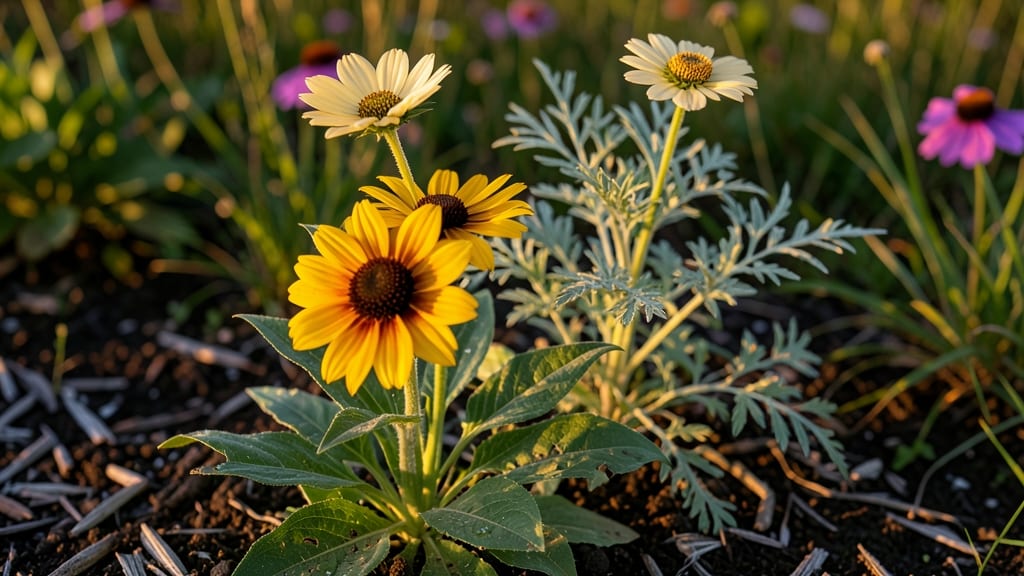
Yellow bloom flowers don’t just brighten your garden—they rebloom like magic when the heat hits just right. 🌻 I’ve watched my coreopsis and black-eyed Susans burst into golden waves twice a season, turning my yard into a sun-drenched masterpiece without extra effort.
The secret lies in understanding which varieties thrive under summer’s glow and how to pair them for maximum impact.
Think beyond sunflowers—marigolds, rudbeckia, and even goldenrod deliver bold yellows that dance with purple salvias or deep red zinnias. These combos create high-contrast drama while keeping maintenance simple: most need just regular watering and deadheading to encourage repeat blooms.
My go-to combo? A container packed with lemon thyme (for fragrance) and cheerful coreopsis—it’s foolproof and smells like summer.
What you’ll get is a garden that stays vibrant from June through frost, with minimal fuss. The golden hues lift moods, attract pollinators, and even trick the eye into seeing shadows as sunshine.
Plus, yellow flowers pair beautifully with almost any color—try them against burgundy or soft blues for a striking, effortless look that neighbors will envy.
Best part? These plants handle heat better than most, making them perfect for hot climates or sunny patios. Whether you’re filling borders, containers, or cutting gardens, these yellow bloomers deliver year-round cheer with almost no work. Let’s make your space shine brighter than ever.
What Triggers Sudden Yellowing
When your prized blooms turn a vibrant yellow, it’s often a sign your plants are responding to environmental or biological cues—some helpful, others warning. Understanding these triggers helps you harness the good and prevent the bad. Here’s why it happens, broken down by the real culprits:
Yellowing blooms often signal heat stress, where temperatures rise beyond a plant’s comfort zone (typically above 85°F/29°C for most flowering species). Here’s why:
- Photosynthesis Overload: Excessive heat accelerates chlorophyll breakdown, causing leaves and petals to yellow as the plant prioritizes survival over aesthetics. Think of it like a car overheating—it’s not broken, but it’s struggling. - Transpiration Stress: High temperatures increase water evaporation through stomata (tiny leaf pores).
If roots can’t keep up, cells lose turgor pressure, leading to wilting and yellowing edges on petals. - UV Damage: Intense sunlight (especially in high-altitude or desert climates) can scorch delicate blooms, turning them yellow or brown. This is common in geraniums, petunias, and snapdragons.
Actionable Fix:
- Provide afternoon shade with sheer curtains or lattice screens.
- Mulch heavily (2–3 inches of organic mulch) to regulate soil temperature.
- Water deeply in the morning to reduce midday stress.
Yellow blooms can also mean your plant is drowning in its own moisture. Here’s how:
- Root Suffocation: Waterlogged soil cuts off oxygen to roots, triggering anaerobic conditions that produce toxic compounds like ethylene. This gas accelerates chlorophyll degradation, turning petals yellow. - Nutrient Leaching: Excess water washes away essential nutrients (like magnesium and nitrogen), which are critical for chlorophyll production.
Without them, blooms lose their green undertones and turn pale yellow. - Fungal Infections: Stagnant water breeds root rot (e.g., Phytophthora or Pythium), which weakens the plant. Affected blooms may yellow and drop prematurely.
Actionable Fix:
- Test your soil’s drainage by digging a hole, filling it with water, and timing how long it takes to drain. Ideal: 1–2 hours.
- Amend heavy clay soil with perlite or sand (20–30% mix).
- Use pots with drainage holes and elevate containers to prevent soggy roots.
Yellow blooms aren’t always about water or heat—they can also scream for nutrients! Here’s what’s missing:
| Symptom | Likely Deficiency | Why It Causes Yellowing |
|---|---|---|
| Older leaves/yellowing | Nitrogen (N) | Chlorophyll (green pigment) relies on nitrogen. Without it, leaves and petals can’t sustain color. |
| Yellow edges (interveinal) | Magnesium (Mg) | Magnesium is central to chlorophyll molecules. A lack turns leaves/petals yellow between veins. |
| Pale yellow, stunted growth | Iron (Fe) or Zinc (Zn) | These micronutrients help chlorophyll production. Deficiencies cause uniform yellowing (chlorosis). |
Actionable Fix:
- Soil Test First: Use a DIY kit or send a sample to a lab to identify specific deficiencies.
- Targeted Fertilizers:
- Nitrogen: Use blood meal or fish emulsion (high in N).
- Magnesium: Apply Epsom salt (1 tbsp/gallon of water, foliar spray or soil drench).
- Iron/Zinc: Use chelated iron or zinc sulfate for quick uptake.
Sometimes, unseen invaders are to blame. These culprits sap nutrients or block photosynthesis, leading to yellow blooms:
- Aphids/Spider Mites: These pests pierce plant cells to feed, injecting toxins that disrupt chlorophyll. Infested blooms may turn mottled yellow or sticky (from honeydew). - Powdery Mildew: A fungal disease that coats leaves/blooms in a white powder, blocking light.
The plant compensates by breaking down chlorophyll, turning petals yellow. - Bacterial Leaf Spot: Causes water-soaked yellow/brown spots on blooms, often with a greasy texture.
Actionable Fix:
- Neem Oil Spray: Apply weekly to deter pests (1 tsp neem oil + 1 tsp mild soap per quart of water).
- Prune Infected Parts: Remove yellowed or spotted blooms below the node to prevent spread.
- Improve Airflow: Space plants 18–24 inches apart to reduce humidity (a fungal favorite).
Not all yellowing is bad—sometimes, it’s your plant’s biological clock! Many perennials and tropicals (like hibiscus, bougainvillea, or impatiens) undergo a heat-induced rebloom where old flowers yellow and drop to make way for new ones. This is normal and even desirable for year-round blooms!
How to Encourage It:
- Deadhead strategically: Remove only fully yellowed blooms to signal the plant to produce more.
- Fertilize lightly with low-nitrogen, high-phosphorus (e.g., 5-10-5 ratio) to boost flowering.
- Avoid heavy pruning in summer—focus on shaping in early spring or fall.
Some yellowing is chemical, not biological.
For example: - Alkaline Soil (pH > 7.0): Locks out iron and manganese, causing interveinal yellowing (common in hydrangeas and azaleas). - Herbicide Drift: Glyphosate or 2,4-D can cause yellowing and curling in susceptible plants like roses or marigolds. - Flower Food Toxicity: Overuse of preservative-heavy floral preservatives in cut blooms can cause rapid yellowing due to ethylene gas buildup.
Actionable Fix:
- Lower pH with sulfur or peat moss (aim for 6.0–6.5 for most flowers).
- Use organic herbicides like vinegar + soap (for weeds) to avoid drift.
- Rinse cut stems in water before arranging to remove residual chemicals.
Revive & Prevent Fading Blooms
When your prized yellow flowers lose their vibrancy, don’t panic—there’s always a way to bring back that radiant glow! Below are practical, step-by-step solutions tailored to common causes, plus prevention tips to keep your blooms thriving all year. Let’s get your garden back to its sunny best.
Symptoms: Yellowing petals, soggy soil, wilting despite water.
How to Fix It: 🔥 Step 1: Check the Roots
- Gently dig around the base of the plant (or lift potted flowers) to inspect roots. Healthy roots are firm and white; rotten roots are mushy and dark. If rot is present, trim affected areas with sterilized scissors (use rubbing alcohol).
🍳 Step 2: Repot or Refresh Soil - For potted plants: Remove the plant, discard old soil, and repot in fresh, well-draining mix (add perlite or sand if your soil is heavy clay).
Ensure the pot has drainage holes. - For in-ground plants: Amend the soil with compost or organic matter to improve aeration. Create a raised bed if drainage is chronically poor.
👨🍳 Step 3: Adjust Watering Habits - Water deeply but less often—aim for 1–1.5 inches per week (including rain).
Let the top 1–2 inches of soil dry out between waterings. - Test soil moisture: Stick your finger in the soil; if it’s damp below 1 inch, wait before watering.
🌡️ Prevention Tip:
- Use self-watering pots or mulch (straw, wood chips) to regulate moisture.
- Avoid watering at night—wet foliage encourages fungal growth.
Symptoms: Yellowing edges, drooping leaves, flowers closing early.
How to Fix It: 🔥 Step 1: Provide Shade Relief
- Move potted plants to a spot with dappled sunlight (morning sun + afternoon shade).
- For in-ground plants, install a lightweight shade cloth (30–50% coverage) during peak heat (10 AM–4 PM).
🍳 Step 2: Boost Hydration & Humidity
- Water in the early morning to reduce evaporation. Use a soaker hose for slow, deep hydration.
- Mist leaves lightly in the evening (avoid soggy soil) or place a tray of water near the plant to increase humidity.
👨🍳 Step 3: Mulch Like a Pro
- Apply 2–3 inches of organic mulch (straw, pine needles, or shredded bark) to insulate roots and retain moisture.
✨ Prevention Tip:
- Choose heat-tolerant varieties like black-eyed Susans, coreopsis, or marigolds for sunny spots.
- Group plants together to create a microclimate with shared shade and humidity.
Symptoms: Pale yellow leaves, stunted growth, or burnt tips (from excess salt).
How to Fix It: 🔥 Step 1: Diagnose the Deficiency
- Yellow between veins? Likely iron or magnesium deficiency (common in alkaline soil).
- Yellowing with brown edges? Over-fertilizing (too much nitrogen or salt buildup).
🍳 Step 2: Feed Smartly - For deficiencies: - Iron: Sprinkle chelated iron granules around the base or use Epsom salt (1 tbsp per gallon of water, applied every 2 weeks). - Magnesium: Mix 1 tbsp Epsom salt per foot of plant height into the soil. - For over-fertilizing: - Flush the soil with water to leach out excess salts.
Repot if needed.
👨🍳 Step 3: Use Organic Amendments
- Add compost, worm castings, or a balanced organic fertilizer (like 10-10-10) every 4–6 weeks in growing season.
- Avoid synthetic fertilizers if your soil is already rich—too much nitrogen = more leaves, fewer flowers!
🌡️ Prevention Tip:
- Test your soil (DIY kits or local extension services) to know exactly what’s missing.
- Slow-release fertilizers (like osmocote) prevent spikes in nutrients.
Symptoms: Yellow spots, holes in petals, sticky residue (aphids), or fungal growth.
How to Fix It: 🔥 Step 1: Identify the Culprit
- Aphids/spider mites? Tiny insects on undersides of leaves.
- Powdery mildew? White fuzzy coating on leaves.
- Root rot? Foul smell + mushy stems.
🍳 Step 2: Treat Gently but Effectively
- For pests:
- Spray with neem oil (1 tsp + 1 tsp mild soap per quart of water) every 5–7 days.
- Introduce beneficial insects (ladybugs, lacewings) or blast off aphids with water.
- For fungal issues:
- Remove infected leaves and dispose of them (don’t compost!).
- Apply baking soda spray (1 tsp baking soda + 1 quart water + dash of soap) weekly.
👨🍳 Step 3: Strengthen Plant Immunity
- Water at the base (not overhead) to keep foliage dry.
- Space plants properly for airflow (aim for 12–18 inches between plants).
💡 Prevention Tip:
- Rotate crops if growing edible flowers to prevent soil-borne diseases.
- Inspect new plants before bringing them home—quarantine for a week if possible.
If your flowers are already struggling, try these quick fixes:
- Trim dead blooms to redirect energy to new growth.
- Give them a haircut: Prune 1/3 of the plant to encourage bushier, healthier regrowth.
- Boost with a foliar feed: Mix liquid seaweed extract (1 tsp per gallon) and spray on leaves for a vitamin boost.
Remember: Yellow blooms aren’t always a death sentence—they’re often a call for adjustment. With the right care, your flowers will bounce back brighter and bolder than ever! 🌼✨
Frequently asked questions
Which yellow flowers bloom all summer long?
For nonstop summer color, try black-eyed Susans, coreopsis, or marigolds. These heat-lovers thrive in full sun and rebloom continuously with minimal care. Zinnias and gaillardia also deliver bold yellows from June through frost when deadheaded regularly.
How do I make my yellow flowers last longer in arrangements?
Cut stems at an angle and place in cool water with flower food (or a pinch of sugar + bleach). Change water every 2 days and trim stems every 3 days. Avoid direct sunlight and drafts—yellow blooms like dahlias or sunflowers stay fresh 5–7 days longer with this care.
What’s the best way to pair yellow flowers with other colors?
For high-contrast drama, combine yellows with purple (like salvia) or deep red (zinnias). Soft pastels work too—try pairing with lavender or blush pink for a dreamy look. Pro tip: Add silver foliage (like lamb’s ear) to make yellows pop even brighter.
Can I grow yellow flowers in containers?
Coreopsis, marigolds, and geraniums thrive in pots. Use a well-draining mix with 20% perlite and ensure containers have drainage holes. For extra color, mix in trailing nasturtiums—their edible blooms add a pop of orange-yellow to hanging baskets.
Why do some yellow flowers fade faster than others?
Delicate blooms like impatiens or begonias wilt quickly in heat, while sunflowers or black-eyed Susans handle summer sun better. The key difference? Thick petals (like rudbeckia) retain moisture longer. Always deadhead spent blooms to encourage new growth and extend the season.