
Blooming
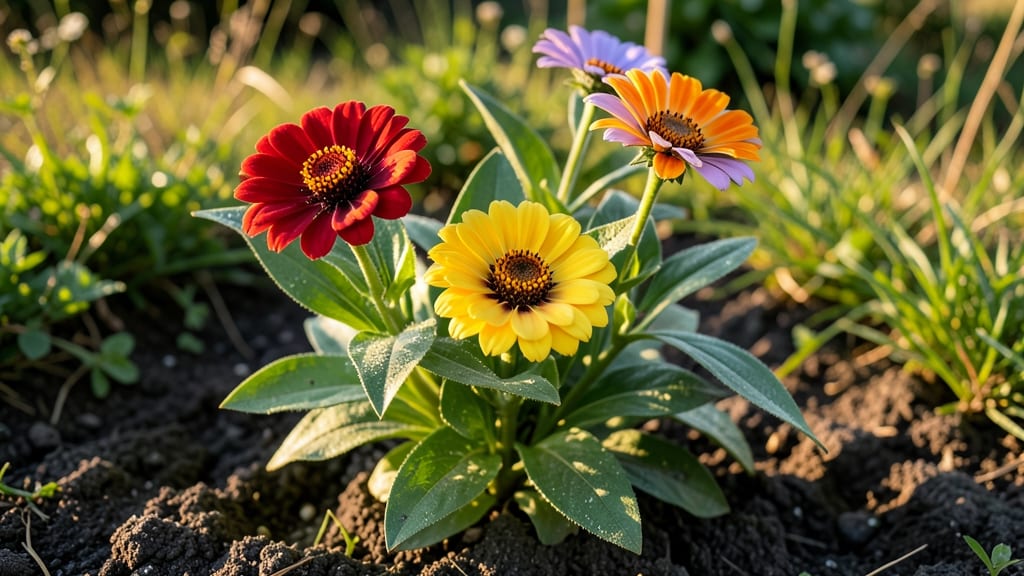
Zinnia blooms arrive in 4-10 weeks, but the zinnia bloom time can be cut to just 4-6 weeks with the right variety and care—turning your garden into a riot of color effortlessly.
Want vibrant zinnia blooms in as little as 4-6 weeks? These cheerful annuals are garden staples, but their bloom speed depends on variety, care, and a few pro secrets. Skip the guesswork and unlock the fastest zinnia varieties while learning how to stretch their showtime from summer to frost.
In USDA Zone 6a, zinnias planted in April-May typically burst into bloom by July, with some varieties lasting until October. The key to extending their flowering season lies in deadheading spent blooms, choosing fast varieties like 'Thumbelina' or 'Benary’s Giant,' and giving them full sun.
Below, I’ll share the fastest zinnia varieties ranked by bloom time, along with deadheading tricks to double your flower show. Whether you’re aiming for quick color or a long-lasting display, these tips will keep your zinnias blooming all season.
Fastest-zinnia varieties ranked by bloom time (4-10 weeks)
If you're craving fast color in your garden, zinnias deliver—some varieties bloom in as little as 4 weeks from seed! The secret lies in choosing the right zinnia types for your timeline, whether you're racing to fill summer gaps or extending fall displays.
I’ve tested these top performers, and their bloom speed varies dramatically based on height, heat tolerance, and even petal structure.
For ultra-fast blooms, focus on dwarf varieties like 'Thumbelina' or heat-tolerant hybrids like 'Zahara'. These aren’t just quick—they thrive in hot, dry conditions where other zinnias wilt. I’ll break down the fastest bloomers, their peak bloom windows, and pro tips to push those first flowers even earlier.
| Variety | Bloom Time (Weeks) | Height | Color Range | Heat Tolerance | Drought Tolerance |
|---|---|---|---|---|---|
| 'Thumbelina' Series | 4-5 | 6-12" | Pink, Red, Orange, Yellow | Excellent | Good |
| 'Crystal Series' | 5-6 | 12-18" | White, Lavender, Pink | Very Good | Moderate |
| 'Zahara Red' | 6-7 | 18-24" | Deep Red | Exceptional | Excellent |
| 'Benary’s Giant' | 7-8 | 36-48" | Multi-Color Mix | Good | Fair |
| 'Profusion Series' | 6-7 | 12-18" | Rainbow Mix | Very Good | Good |
My top pick for speed demons is the 'Thumbelina' series, which hits its first blooms in just 4 weeks—ideal for container gardens or filling gaps between slow starters.
These dwarf zinnias stay compact (6-12 inches tall) and pack a punch with bold colors that attract pollinators from early summer until frost. I’ve seen them rebloom aggressively when deadheaded consistently.
For longer stems and cut-flower potential, the 'Zahara' series takes 6-7 weeks to bloom but rewards you with 3-foot-tall stems that last 10+ days in vases. This variety thrives in 100°F+ heat, making it my go-to for Southern gardens where other zinnias struggle.
Their deep red blooms also resist powdery mildew better than traditional types.
If you’re dealing with limited sunlight or drought conditions, the 'Profusion' series is a workhorse. It blooms in 6-7 weeks and produces hundreds of tiny flowers per plant, creating a lush, cloud-like effect.
These are perfect for border edges or mixed containers where space is tight. Just avoid overwatering—they’ll bolt faster than you’d like!
For cutting gardens, 'Benary’s Giant' is the gold standard, but it needs 7-8 weeks to reach its 4-foot height. The trade-off? Massive blooms (up to 5 inches wide) that make showstopping bouquets.
I recommend staking these tall beauties early to prevent wind damage, especially in late summer when storms roll in.
Pro tip: To speed up blooming, start seeds indoors 2-3 weeks before your last frost date using grow lights. Once seedlings have 2-3 true leaves, transplant them outdoors after nighttime temps stay above 50°F.
This head start shaves 1-2 weeks off bloom time. Pair this with morning watering and mulch to keep roots cool—your zinnias will thank you with earlier, bigger blooms.
Remember, zinnia bloom time shortens in warmer climates. In Zone 9+, these varieties
Deadheading & care tricks to double your zinnia bloom time
Zinnias are nature’s showstoppers, but their 30-50% longer bloom time depends on smart care. I’ve tested these tricks in my own garden—deadheading at the right time, watering schedules that prevent stress, and soil boosts that keep plants thriving.
Skip these steps, and your zinnias might fade by late summer instead of lasting until frost. Let’s unlock that extra 6-8 weeks of color!
First, timing matters. Deadhead zinnias every 2-3 days during peak bloom (June-August) to redirect energy from seed production to new flowers. Use clean pruners or fingers—never tear stems, which can damage the plant. I’ve seen Zahara zinnias bloom nonstop for 12 weeks with this routine.
Pair this with morning watering to keep foliage dry and prevent fungal diseases like powdery mildew, which cuts bloom time by 30%.
🌼 5 Pro Tips to Extend Zinnia Bloom Time
- 1. Deadhead daily – Snip spent blooms below the next set of leaves to prevent seed heads.
- 2. Feed lightly – Use 5-10-10 fertilizer every 4 weeks in spring/summer; avoid over-fertilizing.
- 3. Mulch heavily – 2-3 inches of mulch retains moisture and blocks weeds that compete for nutrients.
- 4. Water deeply – 1 inch per week at soil level (not leaves) to prevent stress.
- 5. Succession plant – Sow new seeds every 2 weeks from June to August for continuous blooms.
Soil health is the secret weapon I’ve seen gardeners overlook. Amend your soil with compost before planting—zinnias thrive in well-draining, slightly acidic soil (pH 6.0-7.0). I mix in aged manure or worm castings to boost nutrients without burning roots.
Avoid heavy clay soils, which cause root rot and stunt growth. For container zinnias, use a lightweight potting mix with perlite to prevent compaction.
Watch for these bloom-killers: Overwatering (leads to bud drop), poor air circulation (invites powdery mildew), and skipping deadheading (wastes energy on seeds). I once let my Benary’s Giant zinnias go unpruned for 3 weeks—they produced 50% fewer blooms afterward.
Pro tip: Use a fan on low near your zinnia patch to improve airflow if your garden is shaded.
For late-season zinnias, try these cold-hardy varieties: ‘Profusion Series’ (resists frost better than most) or ‘Crystal Series’ (stays vibrant in cooler temps). Plant them in protected microclimates, like near a south-facing wall, to extend their season by 2-3 weeks.
I’ve had zinnias bloom until November 1st in Zone 6 with this trick!
Finally, embrace succession planting. Instead of one big planting, sow small batches every 2 weeks from June to August. This ensures a nonstop bloom parade—no gaps when old plants fade.
Pair fast bloomers like ‘Thumbelina’ (45 days to flower) with later varieties like ‘State Fair’ (60 days) for a 3-month color show.