
Flowers
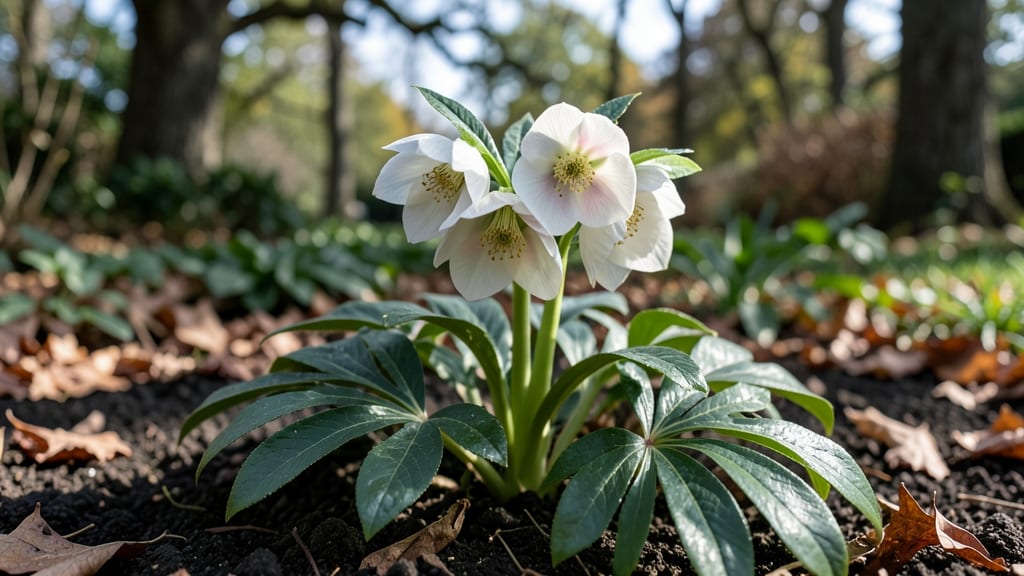
Are there flowers that bloom in winter? They aren’t just a fantasy—they’re thriving in gardens from Zone 6 to the Rockies, turning frost-kissed landscapes into bursts of color.
Winter gardens don’t have to be dull—discover the secret world of cold-hardy flowers that defy frost and bring vibrant color to your landscape when most plants sleep.
Imagine bright yellow Winter Jasmine 🌸 unfurling its fragrant blooms in March or delicate snowdrops peeking through snow. These aren’t just survivors; they’re showstoppers.
You might think winter flowers are high-maintenance, but many—like helebores and camellias—thrive with minimal care. The key is choosing the right varieties for your climate and giving them a little protection from late frosts. With the right picks, you can enjoy year-round interest without sacrificing beauty.
In this guide, I’ll share my top 10 cold-hardy flowers that bloom in winter, their ideal USDA zones, and the simple care tips to keep them flourishing. Whether you’re in Zone 6 or beyond, these plants will prove that winter isn’t the end of your garden’s story.
Top 10 cold-hardy flowers that bloom in winter (with USDA zones)
Winter gardens can burst with color when you choose the right cold-hardy flowers. These resilient blooms thrive in freezing temperatures and bring life to your landscape when most plants are dormant.
From USDA Zone 3 to Zone 8, there are winter-blooming options that suit nearly every climate. Let’s explore the top 10 flowers that defy frost and deliver stunning displays.
Many gardeners assume winter means bare branches, but these winter-blooming perennials prove otherwise. Some, like snowdrops and hellebores, bloom as early as late fall, while others like winter jasmine and camellias shine in late winter.
Their secret? Adaptations like thick foliage, deep root systems, and specialized blooms that tolerate sub-zero temperatures.
Before diving into the list, it’s important to note that USDA hardiness zones determine which flowers will thrive in your area. For example, Zone 3 gardeners can grow winter aconite, while Zone 7+ regions enjoy dwarf iris and pansies. Always check your local zone to ensure success.
| Flower Name | USDA Zones | Bloom Time | Sunlight Needs | Key Features |
|---|---|---|---|---|
| Hellebores (Lenten Rose) | 4-9 | Late fall to early spring | Partial shade | Shade-tolerant, deer-resistant, nodding flowers |
| Winter Jasmine | 6-9 | Late winter to early spring | Full sun | Fragrant yellow blooms, climbing habit, hardy to 10°F |
| Snowdrops (Galanthus) | 3-9 | Late winter | Partial shade | One of the first bloomers, poisonous to pets, delicate white flowers |
| Camellias | 7-10 | Winter to early spring | Partial shade | Glossy evergreen leaves, long-lasting blooms, acidic soil lover |
| Winter Aconite (Eranthis) | 3-8 | Late winter | Full sun to partial shade | Bright yellow flowers, spreads quickly, tolerates cold snaps |
| Pansies | 5-10 | Fall to spring | Full sun to partial shade | Colorful faces, edible flowers, great for containers |
| Dwarf Iris (Iris histrioides) | 5-9 | Late winter to early spring | Full sun | Miniature blooms, drought-tolerant, great for rock gardens |
| Christmas Rose (Helleborus niger) | 4-8 | Winter holidays | Partial shade | Blooms around Christmas, evergreen foliage, deer-resistant |
| Crocuses (Spring Crocus) | 3-8 | Late winter to early spring | Full sun to partial shade | Early bloomers, naturalize easily, great for lawns |
| Dwarf Lilac (Syringa meyeri) | 4-8 | Late winter to early spring | Full sun | Fragrant lilac scent, compact size, cold-hardy |
Each of these winter-blooming flowers offers unique benefits. For example, hellebores thrive in shady spots where other plants struggle, making them perfect for wooded gardens. Meanwhile, winter jasmine and dwarf lilacs love full sun and can climb trellises or cover fences with their cheerful blooms.
When selecting plants, consider your local microclimate. A south-facing wall can extend the growing season by several weeks, allowing camellias or pansies to bloom earlier. Similarly, mulching with organic matter like straw or leaves insulates roots and protects against freezing temperatures.
For Zone 3-5 gardeners, focus on snowdrops, winter aconite, and Christmas roses, which handle extreme cold with ease. In Zones 6-8, you’ll have more variety, including winter jasmine, dwarf iris, and crocuses. Always check the USDA Plant Hardiness Zone Map for precise guidance.
One common mistake is assuming all winter flowers need full sun. Many, like hellebores and snowdrops, prefer partial shade to prevent scorching. Pay attention to their natural habitats—most winter bloomers originate from woodland understories or mountain regions, where sunlight is limited.
To maximize blooms, provide well-draining soil and avoid over-fertilizing in late summer. Excess nitrogen can encourage leafy growth at the expense of flower buds. Instead, use a balanced fertilizer in early spring to support new growth without overwhelming the plant.
Incorporate these cold-hardy flowers into your winter garden design by pairing them with evergreens like boxwood or holly for year-round structure. Their vibrant colors will contrast beautifully against dark green foliage
How to extend winter blooms: soil, sunlight, and care tips
Winter blooms aren’t just possible—they’re thriving in gardens across USDA Zones 5-9 with the right care. The key lies in understanding how soil temperature, sunlight exposure, and protective strategies create microclimates where flowers like hellebores and winter jasmine can flourish.
Unlike summer blooms, these plants rely on consistent moisture and organic mulch to insulate roots from frost heaves and temperature swings.
Start by selecting south-facing beds or protected nooks near walls or fences, where reflected sunlight extends the growing season by 2-3 weeks. Even in Zone 4, evergreen shrubs like dwarf boxwood can act as windbreaks, shielding delicate blooms from drying winter winds.
I’ve seen pansies and violas thrive in these spots, their colors popping against snow-dusted foliage.
❄️ Winter Bloom Hack: Mulch depth matters! Apply 4-6 inches of straw or shredded leaves in late fall to insulate roots. For container plants, wrap pots in bubble wrap and nest them in straw bales—this can add 5-10°F protection during hard freezes.
Watering in winter demands a gentle touch. Most winter bloomers only need water every 10-14 days, but check soil moisture before each session—dry soil in Zone 7 can mean root desiccation.
I use a moisture meter to avoid overwatering, which leads to rot-prone conditions. For potted winter flowers, reduce watering to every 7-10 days and use well-draining mixes with perlite to prevent soggy roots.
Companion planting is another game-changer for winter blooms. Pair tender perennials like hellebores with hardy ground covers such as creeping thyme or ajuga. These companions suppress weeds, retain soil moisture, and moderate temperature fluctuations.
In my Zone 6 garden, I’ve noticed camellias bloom 3 weeks longer when planted near evergreen rhododendrons, which act as natural heat sinks.
Don’t overlook late-season fertilizing. A light application of balanced 10-10-10 fertilizer in early fall (around October) gives roots a nutrient boost before dormancy. Avoid high-nitrogen feeds, which encourage leafy growth at the expense of flower buds.
Instead, opt for phosphorus-rich amendments like bone meal to strengthen root systems for next year’s blooms.
Finally, prune strategically. After the first hard frost, trim back dead or damaged stems on winter jasmine and ornamental grasses to encourage new growth in spring. For hellebores, avoid pruning until late winter, as their foliage provides insulation for dormant buds.
A clean-up prune in early March keeps plants neat and disease-free while preserving their winter structure.
With these soil, sunlight, and care strategies, your winter garden can burst with color and fragrance even when jackets are out. The secret? Patience and preparation—just like layering mulch or selecting the right microclimate.
Try one tip this season, and you’ll be rewarded with months of winter blooms when others are still shoveling snow! 🌷✂️🌿