
Blooming
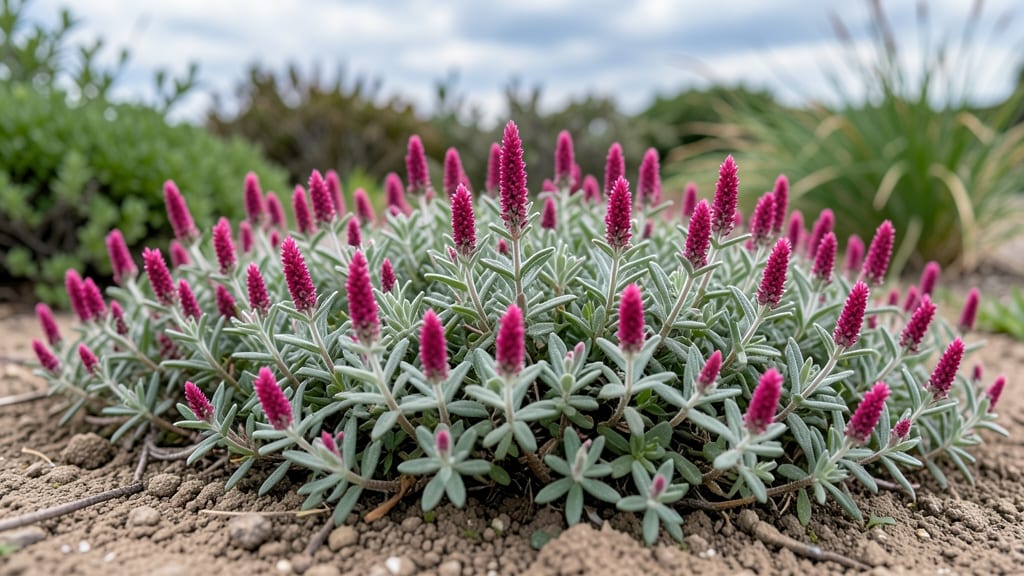
The red creeping thyme bloom time is a delicate balance between patience and precision—wait too long, and those vibrant red flowers fade before you’ve even enjoyed them.
If you’ve ever admired the vibrant red blooms of creeping thyme 🌿 only to see them vanish too soon, timing your pruning could be the game-changer your garden needs. Mastering the bloom cycle ensures a longer, more stunning display year after year—without sacrificing next season’s growth.
Most gardeners in USDA Zone 6a see their red creeping thyme burst into color between June and September, but sunlight, soil, and even last year’s pruning can shift that window. A little deadheading here and a strategic trim there can stretch those blooms for weeks longer.
Below, I’ll walk you through the exact timing for pruning, how to spot the signs of peak bloom, and the simple tricks to keep your thyme flowering like clockwork—so you’re never left staring at bare stems again.
Understanding red creeping thyme bloom cycles and optimal pruning windows
Red creeping thyme (Thymus serpyllum) is a hardy ground cover that rewards gardeners with vibrant red blooms from late spring to early fall. However, the timing of these blooms can vary dramatically based on your USDA hardiness zone and local climate conditions.
Understanding these cycles helps you extend the bloom period and maintain a lush, spreading ground cover.
In most regions, red creeping thyme typically blooms in two main cycles: a primary spring bloom and a secondary fall bloom. The spring blooms usually appear in May to June, while the fall blooms stretch from September to October.
However, gardeners in warmer zones (8-10) may see blooms year-round, while those in cooler zones (3-6) might experience shorter bloom windows.
Climate plays a crucial role in determining bloom timing. Cooler climates often delay spring blooms until soil temperatures reach 55°F or higher, while hotter climates may trigger earlier blooms as soon as temperatures rise in March or April.
Additionally, drought conditions can stress the plant, reducing bloom intensity unless you provide consistent moisture during dry spells.
Pruning at the right time is the secret to prolonging blooms and encouraging new growth. The best time to prune is right after the spring bloom, typically in late May to June, before the plant sets seed.
This stimulates a second flush of flowers in fall. Avoid pruning in late summer, as this can reduce the plant’s ability to harden off for winter.
Here’s how your USDA zone affects bloom timing and pruning windows:
| USDA Zone | Primary Bloom Time | Secondary Bloom Time | Optimal Pruning Window | Notes |
|---|---|---|---|---|
| 3-5 | Late May - June | September - Early October | Late June - Early July | Wait until soil warms to 55°F+ |
| 6-7 | May - Early June | Late August - September | Mid-June - Early July | Prune after morning frost risk passes |
| 8-10 | March - April | October - November | Late April - Early May | May see partial year-round blooms |
The science behind pruning red creeping thyme revolves around hormonal triggers. When you remove spent flowers, you reduce seed production, which signals the plant to redirect energy into new growth and additional blooms.
This technique, called deadheading, is most effective when done within 2-3 weeks after blooms fade.
For gardeners in drier climates, mulching with 1-2 inches of organic matter helps retain moisture and encourages deeper root growth, which in turn supports more robust blooms.
In humid regions, ensure good air circulation to prevent fungal issues like powdery mildew, which can weaken the plant and reduce flowering.
If you’re aiming for a longer bloom season, consider dividing mature clumps every 3-4 years to rejuvenate growth. This stimulates fresh shoots and can extend the bloom period by 2-4 weeks in both spring and fall. Just be sure to water deeply after dividing to help the plant recover.
Finally, pay attention to your soil pH. Red creeping thyme thrives in slightly alkaline to neutral soil (pH 6.0-7.5). If your soil is too acidic, amend it with lime in early spring to boost bloom intensity and overall plant health.
By aligning your pruning schedule with your local climate and bloom cycles, you’ll enjoy prolonged red blooms and a healthier, more vibrant ground cover year after year. 🌿✂️🌸
Step-by-step pruning guide for maximum red creeping thyme blooms
Pruning red creeping thyme at the right time isn’t just about tidying up—it’s the secret to longer, more abundant blooms next season. The key lies in understanding your plant’s natural bloom cycle and when to encourage new growth without stunting it.
Most gardeners make the mistake of pruning too late or too aggressively, which can reduce flowering or even kill back the plant entirely.
For red creeping thyme, timing is everything. The best time to prune is right after the first flush of blooms has faded (typically late summer) or in early spring before new growth begins.
This gives your plant time to recover and set buds for the next season. If you prune too early, you risk cutting off potential flower stems before they even form.
-
Step 1: Wait for Blooms to Fade
Prune after the first wave of red flowers has fully bloomed and begun to brown (usually late July to August). This ensures you’re not cutting off next year’s buds. -
Step 2: Gather Your Tools
Use sharp, clean pruners (bypass pruners work best) and sterilize them with rubbing alcohol to prevent disease. Avoid dull tools—they crush stems instead of cleanly cutting. -
Step 3: Cut Back by 1/3
Trim 1/3 of the plant’s height, focusing on woody or leggy stems. This encourages bushier growth and more flower stems next season. Never cut into old wood—it won’t regrow. -
Step 4: Shape for Sunlight
Thin out crowded areas to improve air circulation and sunlight penetration. This reduces fungal risks and helps the plant recover faster after pruning. -
Step 5: Light Spring Trim (Optional)
In early spring, give your thyme a light trim to remove any dead growth. This stimulates fresh growth before the main blooming season begins. -
Step 6: Mulch and Water
After pruning, add a 1-inch layer of mulch to retain moisture and water deeply (but avoid soggy soil). This helps the plant recover quickly and sets it up for robust growth.
One of the biggest mistakes I see is over-pruning in fall or winter. Red creeping thyme is a perennial, and aggressive cuts during dormancy can weaken the plant before it’s ready to rebound in spring. Instead, focus on light shaping in spring and heavy pruning post-bloom in late summer.
Pro tip: If your thyme looks leggy or sparse after blooming, it’s a sign you need to prune sooner next time. The plant is telling you it’s struggling to recover.
By following this step-by-step guide, you’ll extend your red creeping thyme bloom time by weeks and keep your garden looking lush year after year.
Remember, the goal isn’t just to prune for aesthetics—it’s to encourage healthier, longer-lasting blooms while keeping your thyme compact and vibrant. With the right timing and technique, your red creeping thyme will reward you with bold, continuous color from early summer well into fall. 🌿