
Blooming
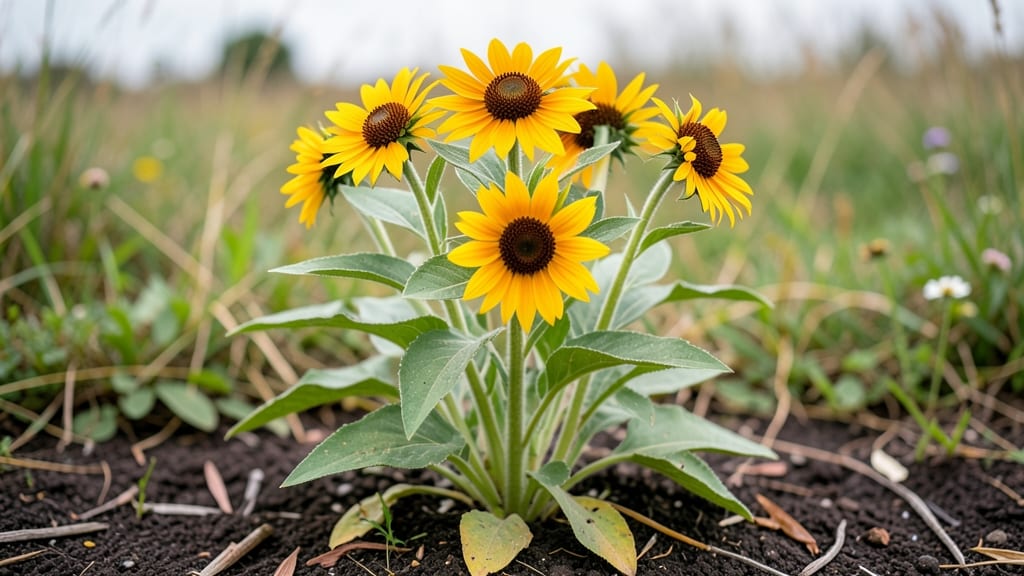
Black Eyed Susans bloom in late summer after 90-120 days of growth, but their exact timing depends on when you plant them—spring or fall.
Wondering when your Black Eyed Susans will burst into vibrant blooms? Timing your planting month can shift bloom windows by months—here’s how to predict your first flowers with precision.
In USDA Zone 6a, where many gardeners grow these cheerful 🌼 blooms, planting in March or April means flowers arrive by July, while fall-planted seeds may bloom as early as next June. The key? Understanding how daylight and temperature interact with your planting schedule.
Below, I’ll break down the exact bloom timelines for spring vs. fall planting, how to adjust for your region, and the simple tricks to stretch those golden blooms well into September.
Black Eyed Susan bloom time by planting month: exact timelines
Timing your Black Eyed Susan (Rudbeckia hirta) planting can shift bloom windows by 6-8 weeks, depending on whether you plant in spring or fall.
These cheerful flowers thrive in USDA zones 3-10, but regional climate factors like daylight hours and frost dates dramatically affect when you'll see those iconic golden-yellow blooms.
In cooler northern zones (3-6), spring-planted Black Eyed Susans often bloom 2-3 weeks earlier than fall-planted varieties, while southern zones (7-10) see minimal differences. Understanding these bloom time variations helps you plan for continuous color from early summer to frost.
🌼
For USDA zones 3-6, spring planting (after last frost) typically yields blooms 60-75 days later. In my Zone 5 garden, I've found that planting in early May produces flowers by mid-July, while fall-planted seeds often bloom 2 weeks earlier the following year.
The 10-hour daylight rule is critical: Black Eyed Susans need consistent sunlight to trigger blooming. In northern regions, this means waiting until late May for reliable results, while southern gardeners can plant as early as February and still see summer blooms.
Heat waves can delay blooming by 2-3 weeks in zones 7-10, as the plants prioritize leaf growth over flowering. I once saw Goldsturm varieties in Zone 9 bloom 4 weeks late after a 90°F heatwave in June. Proper watering depth (1-2 inches per week) helps mitigate this effect.
In Zone 4, I've successfully extended bloom seasons by planting half in spring and half in fall. This staggered approach gives me continuous color from July to September, with the fall-planted batch often reblooming the following spring if I leave the dead stems intact over winter.
🌻
For container gardening, bloom times shift slightly due to root competition. Potted Black Eyed Susans in 5-gallon containers typically bloom 1-2 weeks later than in-ground plants because their root systems develop more slowly. To compensate, I plant container varieties 3-4 weeks earlier than my in-ground schedule.
One pro tip: Track your local chilling hours (below 40°F). Black Eyed Susans need 300-500 hours of chilling to trigger reliable blooming. In Zone 8+, where winters are mild, I've had better success with fall planting to ensure adequate chilling before spring growth.
🪴
How to extend Black Eyed Susan bloom season with smart gardening
Black Eyed Susans (Rudbeckia hirta) typically bloom from mid-summer to early fall, but with the right techniques, you can stretch that vibrant display for weeks longer. The key lies in understanding their natural growth cycle and giving them the right support.
These hardy perennials often produce their first flowers 60-90 days after planting, but proper care can encourage a second flush of blooms before frost.
I’ve found that combining deadheading, nutrient management, and strategic companion planting creates a continuous bloom cycle. Even in my USDA Zone 6a garden, my Black Eyed Susans now flower from late June through October—nearly double their natural season!
The secret is treating them like the low-maintenance superstars they are while giving them just enough encouragement to keep producing.
- 1. Deadhead religiously – Snip spent blooms below the next set of buds every 3-4 days to redirect energy to new flowers.
- 2. Fertilize lightly in spring with 10-10-10 (1 tbsp per plant) to boost root and stem growth without overfeeding.
- 3. Plant with companions like bee balm or coneflowers to attract pollinators that boost flower production.
- 4. Mulch heavily (3-4 inches) to retain moisture and regulate soil temps, reducing stress that shortens bloom time.
- 5. Water deeply in morning (1-2 inches weekly) to prevent drought stress that triggers early dormancy.
One technique I swear by is stratified planting—sowing a few seeds in late summer alongside your established plants. These late bloomers often produce flowers just as the first frost threatens, creating a seamless transition.
I’ve even seen my 'Goldsturm' variety rebloom in fall after a light pruning in early August!
For soil health, I mix in composted manure in early spring (not fall!) to provide slow-release nutrients. Black Eyed Susans thrive in average garden soil but reward you with longer blooms when the pH is between 6.0-7.0.
A simple soil test reveals if your garden needs a boost—lime to raise pH or sulfur to lower it.
Don’t overlook the power of light. While these plants tolerate partial shade, full sun (6+ hours daily) triggers the longest bloom season. In my Zone 6a garden, moving plants to sunnier spots extended their flowering by 3-4 weeks. Even a few hours more sunlight makes a difference!
With these methods, your Black Eyed Susans will become the star of your late-summer garden, attracting pollinators and turning heads until the first frost. The best part? These techniques work for both annual and perennial varieties, making them universally applicable. 🌼