
Blooming
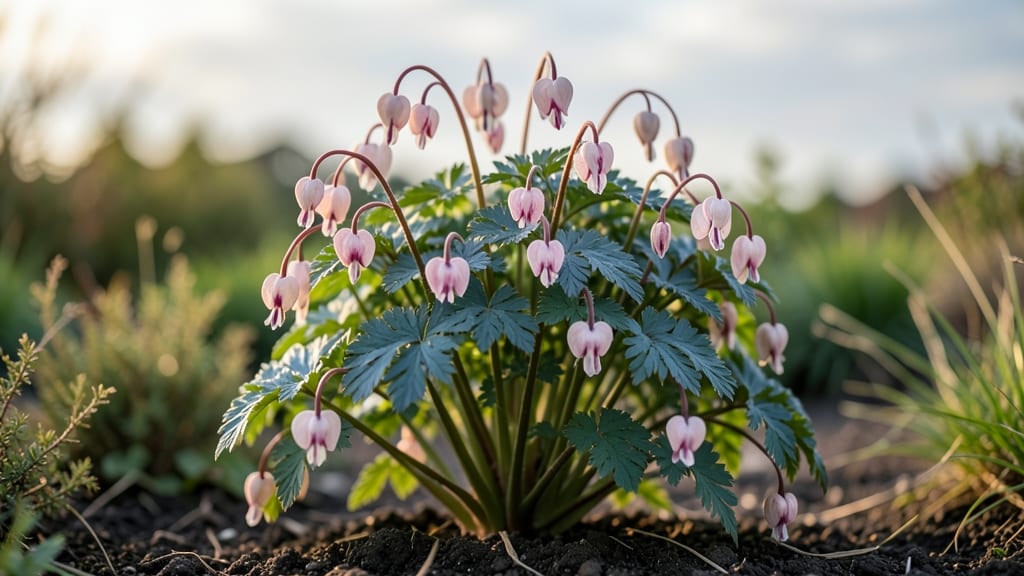
The bleeding heart flower bloom time is a fleeting but magical window of spring beauty 💔—typically 4-6 weeks—that gardeners often miss without the right timing and care.
If you’ve ever watched bleeding heart flowers (Dicentra spectabilis) transform your garden into a dreamy, heart-shaped watercolor painting, you know their fleeting bloom time can leave you longing for more.
This shade-loving perennial thrives in USDA Zone 6a and beyond, but its exact bloom window depends on when you planted it—March-April for most gardeners—and whether you’re in a cooler climate or a warmer microclimate.
In this guide, I’ll break down how to predict and even extend their display, from pruning tricks to companion plants that keep your garden vibrant long after the last heart-shaped bloom fades.
Bleeding heart flower bloom time: seasonal stages & ideal growing conditions
If you’ve ever watched bleeding heart flowers (Dicentra spectabilis) unfurl their delicate, heart-shaped blooms, you know their spring bloom time is magical—but fleeting. These woodland natives typically burst into color from late April through June, with some reblooming in late summer under ideal conditions.
Understanding their natural bloom cycle and hardiness zones (3-9) will help you create the perfect conditions for a longer display.
The key to unlocking their full potential lies in mimicking their native woodland habitat. Bleeding hearts thrive where they receive dappled sunlight and consistently moist soil, just like their natural environment. By replicating these conditions, you can encourage healthier plants that bloom more reliably and for longer periods.
Let’s break down their seasonal stages and the ideal growing conditions to maximize your bleeding heart bloom time.
🌱
| Seasonal Stage | Bloom Time | Ideal Conditions | Care Tips |
|---|---|---|---|
| Early Spring Growth | March-April | Partial shade, moist soil, 50-70°F | Light fertilizer, mulch to retain moisture |
| Primary Bloom | April-June | Consistent moisture, dappled sunlight, humidity | Deadhead spent blooms, avoid overwatering |
| Summer Dormancy | July-August | Shade, reduced watering, cool roots | Prune foliage, mulch heavily for rebloom |
| Late Summer Rebloom | August-September | Moist soil, partial shade, 60-75°F | Light fertilizer, consistent watering |
| Fall-Winter Rest | October-March | Mulch, protected roots, dormant state | Minimal watering, avoid disturbing soil |
In USDA hardiness zones 3-9, bleeding hearts naturally bloom in spring, with most varieties producing their showiest flowers between late April and early June.
However, some reblooming cultivars like ‘Alba’ or ‘Gold Heart’ may produce a second flush of blooms in late summer, typically around August. The timing of these blooms depends heavily on your local climate and microclimate conditions.
For example, in cooler northern climates (zones 3-5), the primary bloom often starts earlier, around mid-April, while in warmer southern zones (7-9), blooms may appear as late as May.
The key to encouraging reblooms lies in providing the right balance of moisture, shade, and nutrients during the summer months when the plant is otherwise dormant. A thick layer of organic mulch can help regulate soil temperature and retain moisture, which is critical for triggering a second bloom cycle.
Microclimate factors play a surprisingly large role in bleeding heart bloom time. Even within the same hardiness zone, a garden tucked under the canopy of trees or near a north-facing wall may experience cooler, more humid conditions that delay blooming until late May or June.
Conversely, a sunnier, more exposed location might push blooms to appear earlier but could also shorten their duration. To optimize your plants’ performance, observe how sunlight and temperature shift throughout your garden and adjust planting locations accordingly.
One of the most effective ways to extend your bleeding heart bloom time is to plant them in partial shade, where they receive morning sunlight and afternoon shade. This mimics their natural woodland habitat and helps prevent the foliage from scorching in hot afternoons.
Pair your bleeding hearts with tall grasses or shrubs like hostas or ferns to create a protective canopy. Additionally, ensure the soil remains consistently moist but well-drained—bleeding hearts despise soggy roots but will struggle in dry soil.
If you’re in a hotter climate (zones 7-9), consider planting bleeding hearts in containers where you can move them to provide afternoon shade during peak summer months.
This flexibility allows you to control their exposure and protect them from intense heat, which can stress the plant and reduce bloom time. Containers also make it easier to monitor soil moisture, as bleeding hearts are particularly sensitive to drought stress once their blooms appear.
Finally, don’t overlook the importance of soil quality in influencing bloom time. Amend your garden soil with compost or well-rotted manure to improve drainage and fertility. Bleeding hearts prefer slightly acidic to neutral soil (pH 6.0-7.0), so test your soil and adjust with lime or sulfur if necessary.
Healthy soil ensures your plants have the energy to produce abundant blooms and recover quickly after flowering, setting the stage for potential reblooms later in the season.
With the right conditions, you can transform your garden into a year-round bleeding heart paradise, enjoying their ethereal blooms well beyond the typical spring window. Start by mimicking their woodland home, and you’ll be rewarded with a longer, more vibrant display that keeps your garden looking magical for months.
🌿
How to extend bleeding heart bloom time: pruning, deadheading & seasonal care
Bleeding hearts (Dicentra spectabilis) typically burst into bloom for just 4-6 weeks in spring, but with the right care, you can coax them into a second flush later in the season. The secret lies in strategic pruning, deadheading, and seasonal adjustments that mimic their natural woodland habitat.
I’ve learned through trial and error that skipping these steps often means missing out on that dreamy, heart-shaped display twice a year!
First, let’s tackle the biggest mistake gardeners make: cutting back foliage too early. Many assume that once the blooms fade, the entire plant should be trimmed. But here’s the truth—leaving the foliage intact until it yellows naturally helps the plant store energy for a potential rebloom.
This simple habit can extend your enjoyment by weeks or even months!
⚠️ WARNING: Common Pruning Mistakes That Shorten Bloom Time
❌ Avoid These Blooming Killers
Cutting back green foliage after flowering—this removes the plant’s energy source for reblooming. Wait until leaves yellow (late summer) before pruning.
Over-fertilizing with high-nitrogen feeds—this encourages leafy growth at the expense of flowers. Use a balanced 10-10-10 fertilizer instead.
Planting in full sun locations—bleeding hearts wilt in heat, causing stress that shortens bloom cycles. Partial shade is non-negotiable for prolonged flowering.
To encourage reblooming, deadhead spent flowers by snipping off the seed pods as they form. This redirects the plant’s energy toward producing new blooms instead of seeds.
I like to use clean, sharp pruners and make cuts just above the first set of leaves—this keeps the plant looking tidy while promoting bushier growth. For reblooming varieties like ‘Alba’ or ‘Gold Heart’, this step is especially critical!
Don’t forget about seasonal soil care—bleeding hearts thrive in rich, moist, but well-drained soil. In early spring, I mix in 2-3 inches of compost to replenish nutrients lost during winter.
For a second bloom, add a light application of 5-10-5 fertilizer in early summer (June) to give the plant a gentle nudge. Mulch with 2-3 inches of organic matter (like shredded leaves or bark) to retain moisture and regulate soil temperature—this is key for triggering that late-summer rebloom!
In late summer or early fall, after the second flush of blooms has faded, it’s time for a final pruning. Cut the foliage back by one-third to clean up the plant and prepare it for winter.
This also prevents disease by improving airflow. I’ve found that dividing mature clumps every 3-4 years in early spring or fall helps rejuvenate the plant, leading to longer and more abundant bloom times in subsequent years.
With these techniques, you can transform your bleeding hearts from a one-time spring spectacle into a year-round garden star. The key is patience—consistent care pays off with extended bloom cycles and healthier plants that thrive for decades. Happy gardening!