
Blooming
Winter gardens don’t have to be dull—these 10 cold-hardy plants thrive in frost, offering vibrant blooms and greenery when most landscapes lie dormant. Perfect for gardeners in USDA Zones 3-7, they require minimal care and deliver maximum impact.
Snowdrops: Delicate White Blooms for Early Spring
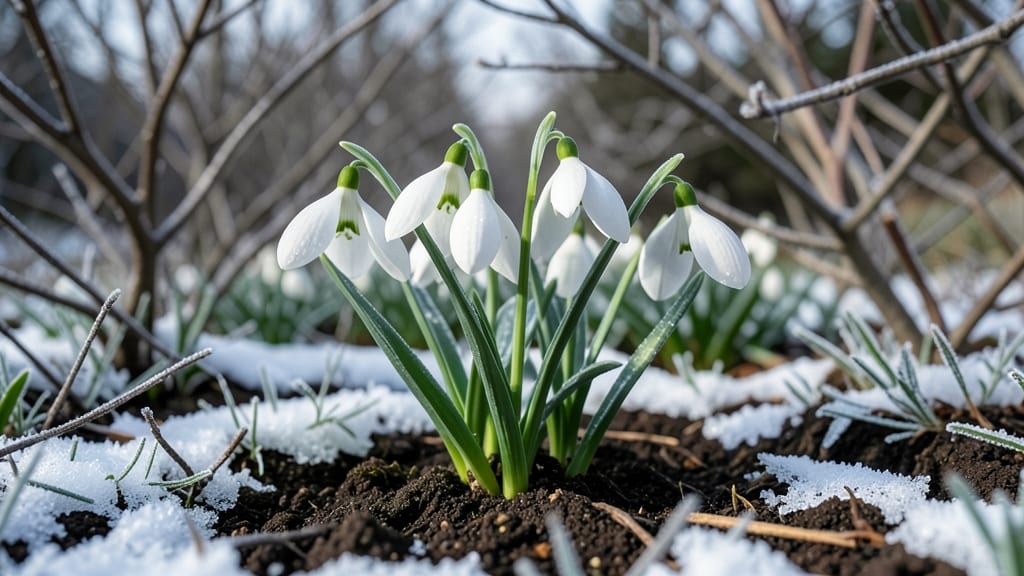
When winter’s grip still tightens the earth, snowdrops (Galanthus nivalis) push through frost with delicate white blooms that feel like nature’s first whisper of spring. These iconic flowers thrive in USDA Zones 3-8, often appearing in late winter—sometimes even peeking through snow—before most bulbs stir.
Plant them in dappled shade under deciduous trees or in woodland gardens where their slender stems can naturalize over time. Snowdrops are deer-resistant, making them a low-maintenance choice for rural or suburban plots. For best results, mulch lightly after planting to protect roots from freeze-thaw cycles, and avoid overwatering—they prefer moist but well-drained soil.
Perfect for beginners or gardeners seeking early color, snowdrops create a magical carpet of blooms that symbolize resilience and hope. Their subtle beauty also pairs well with hellebores or winter aconite for layered winter interest. 🌱
Winter Jasmine: Fragrant Yellow Clusters for Sunny Walls
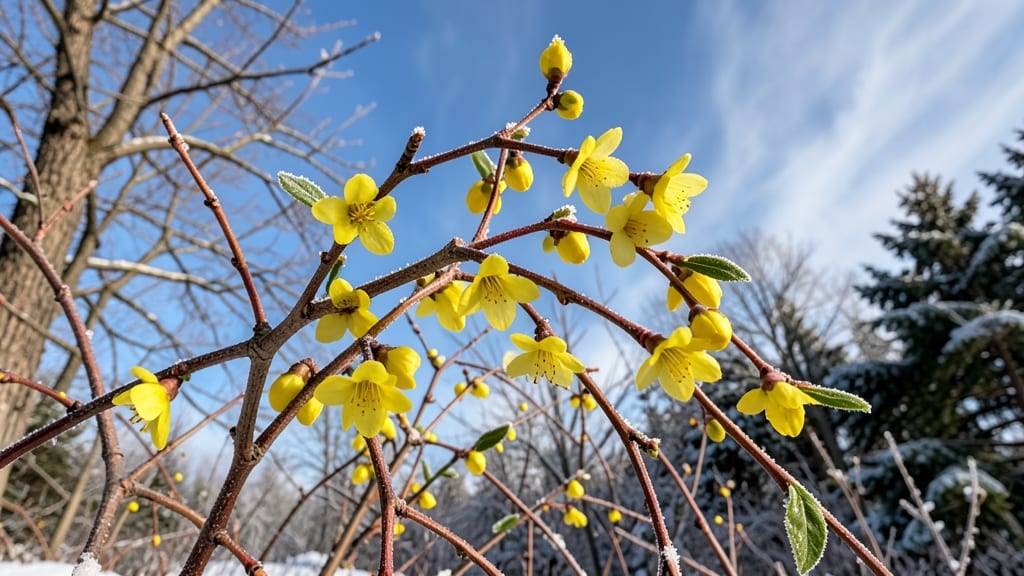
Brighten up your winter landscape with winter jasmine, a hardy climber that bursts into cheerful bright yellow flowers as soon as snow melts. Unlike its spring-blooming cousin, this plant thrives in full sun and provides early nectar for bees when few other flowers are available.
Plant Jasminum nudiflorum along fences, trellises, or arbors where it can scramble upward, reaching heights of 8-10 feet. Its fragrant, star-shaped blooms appear in late winter (February-March) and last for weeks, offering a stunning contrast against bare branches. Prune back stems after flowering to encourage bushier growth next year.
Perfect for urban gardeners with limited space or those wanting to add vertical interest, winter jasmine is drought-tolerant once established and thrives in USDA Zones 5-9. 🌻
Hellebores: Shade-Loving Flowers with Unique Blooms
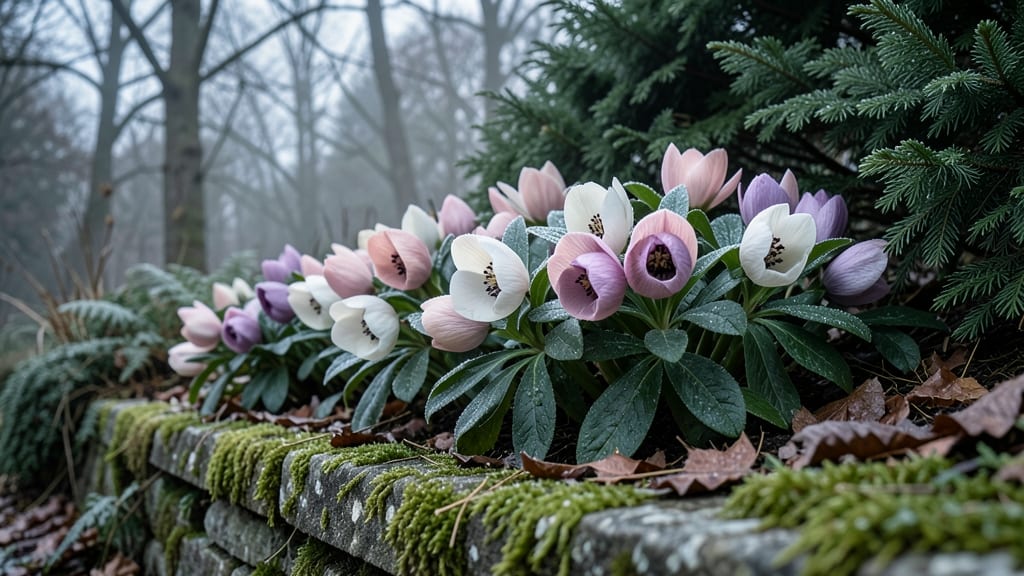
If your garden has shady spots where nothing seems to thrive, helleborus—or Lenten roses—are your secret weapon. These evergreen perennials bloom in late winter or early spring, defying frost with their nodding flowers in soft pinks, whites, or purples, and they love the damp, cool conditions under trees where other plants struggle.
Unlike sun-loving winter bloomers, hellebores thrive in deep shade and even soggy soil, making them ideal for woodland gardens or rain gardens. Their leathery, dark green foliage provides year-round interest, while their flowers last for weeks, often lasting through snowfall. For best results, plant in well-draining soil and avoid disturbing the roots—once established, they’re nearly indestructible.
Perfect for gardeners with limited sun or wet soil, hellebores add drama to shady corners while requiring almost no maintenance. 🌿
Crocuses: Tiny but Mighty Purple Stars
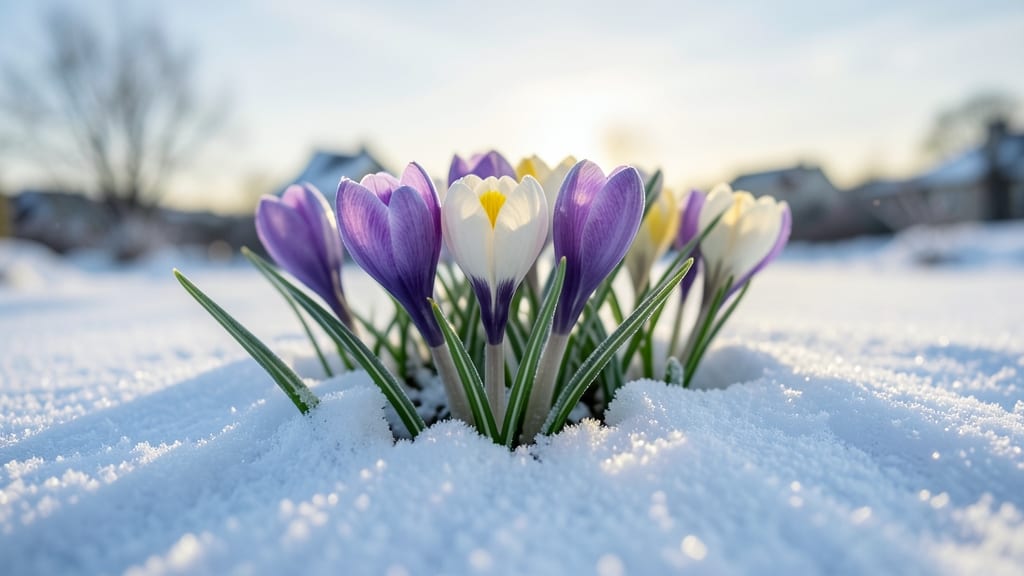
If you're craving a burst of color before spring officially arrives, crocuses are your secret weapon. These tiny but mighty blooms push through snow to reveal delicate purple, white, or yellow stars—often weeks before daffodils or tulips make their debut.
Plant crocus corms in fall (4-6 weeks before frost) in well-draining soil with full sun to partial shade. They thrive in lawns, rock gardens, or containers, and their naturalizing habit means they'll multiply year after year. Bonus: Their early blooms provide critical nectar for bees emerging from winter dormancy.
Perfect for beginners or busy gardeners, crocuses require almost no maintenance once established. Just avoid overwatering—they prefer dry conditions in summer. 🌱
Winter Aconite: Bright Yellow Ground Cover for Sun
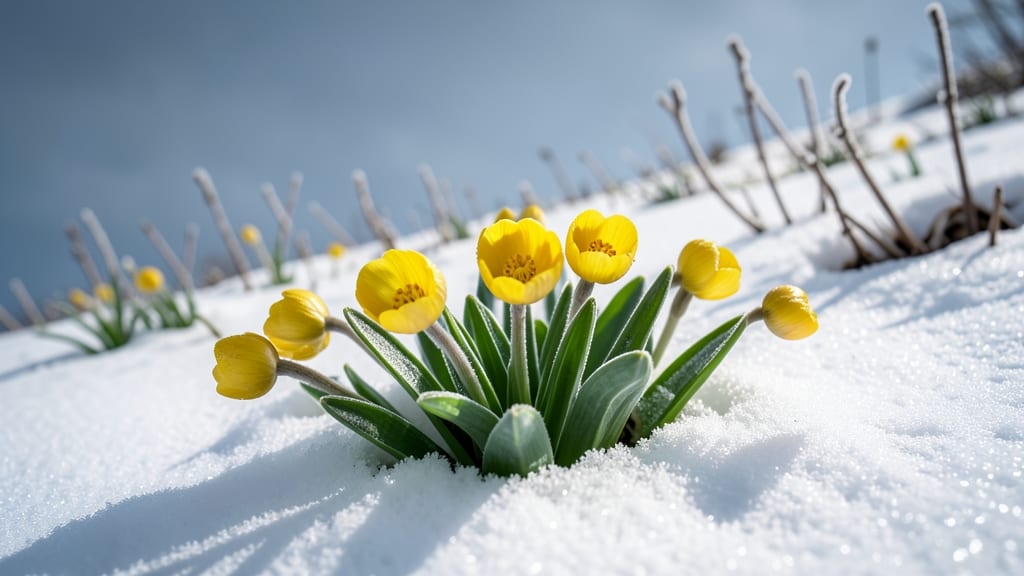
Need a low-maintenance way to brighten up slopes or borders with year-round color? Winter aconite (Eranthis hyemalis) delivers cheerful bright yellow flowers from late winter to early spring, often peeking through snow for a stunning contrast.
This drought-tolerant perennial thrives in full sun to partial shade and spreads quickly, making it perfect for areas where other plants struggle—like poor soil or rocky terrain. Its basal rosette leaves stay green year-round, providing early-season interest before the flowers even appear. Simply plant the corms in fall, and you’ll have a self-sustaining ground cover that requires almost no upkeep.
Ideal for urban gardeners or beginner-friendly landscapes, winter aconite is also deer-resistant, so you won’t have to worry about hungry critters munching your winter blooms. 🌻
Dwarf Iris: Compact Purple Blooms for Containers
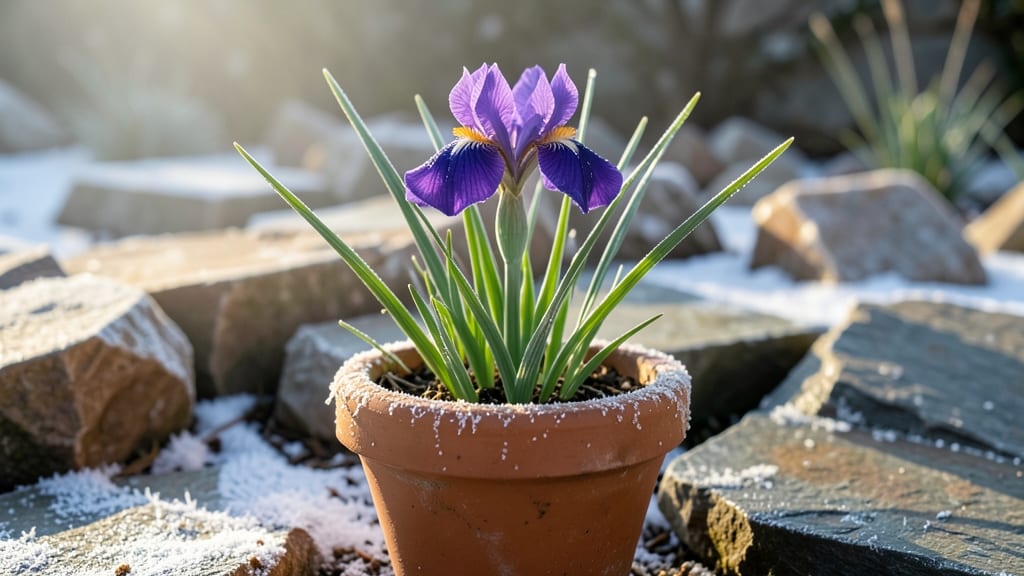
If you're craving late-winter color without the fuss of spring bulbs, dwarf iris delivers slender, vibrant purple blooms that defy frost. Unlike their larger cousins, these compact perennials thrive in containers, rock gardens, or sunny borders—adding structure and drama where space is limited.
Plant dwarf iris in well-draining soil with full sun to partial shade, and they’ll reward you with deer-resistant blooms from February through April. Their sword-like foliage stays tidy, making them ideal for urban balconies or as edging plants. Just avoid overwatering—they prefer dry conditions once established.
Perfect for gardeners in USDA Zones 3-8, these low-maintenance stars bring early-season pollinators to your yard while keeping deer and rabbits at bay. 🌻
Paperwhite Narcissus: Fragrant Indoor-Outdoor Blooms
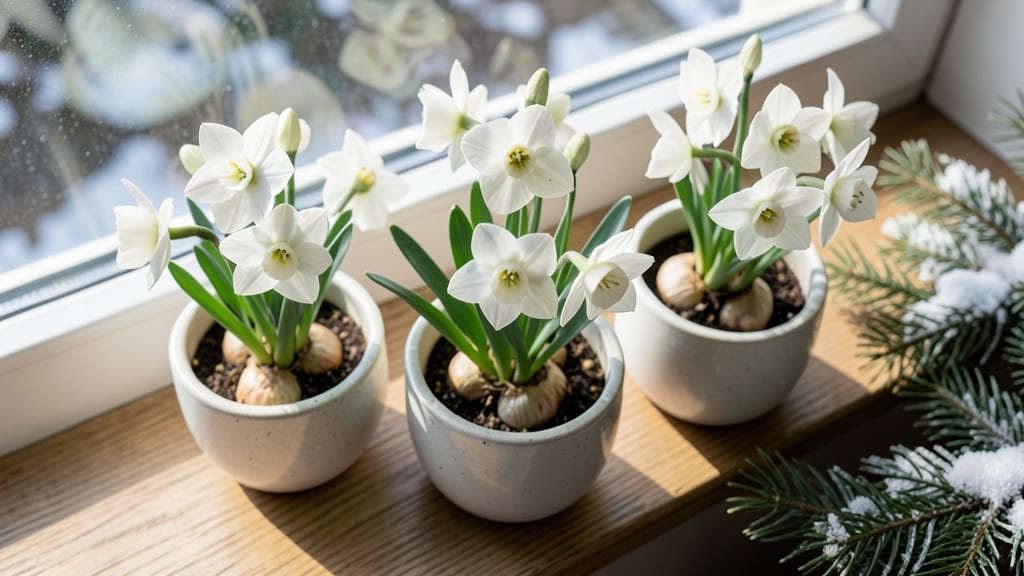
Need a fragrant burst of winter color that thrives indoors or out? Paperwhite narcissus (Narcissus papyraceus) delivers delicate white blooms and a sweet scent, perfect for forcing in pots—even on a sunny windowsill. Unlike their spring-blooming cousins, these bulbs bloom reliably in 6-8 weeks when planted in late fall, making them ideal for holiday cheer.
Plant bulbs close together in well-draining soil and keep them in a cool, bright spot (like a greenhouse or north-facing window) until stems appear. They tolerate mild frost outdoors in Zones 8-10, but pots can easily move indoors before temperatures drop. For extra fragrance, place pots near seating areas—just avoid overwatering, as soggy soil causes rot. 🌱
Winter Heath: Evergreen Shrub with Pink Flowers
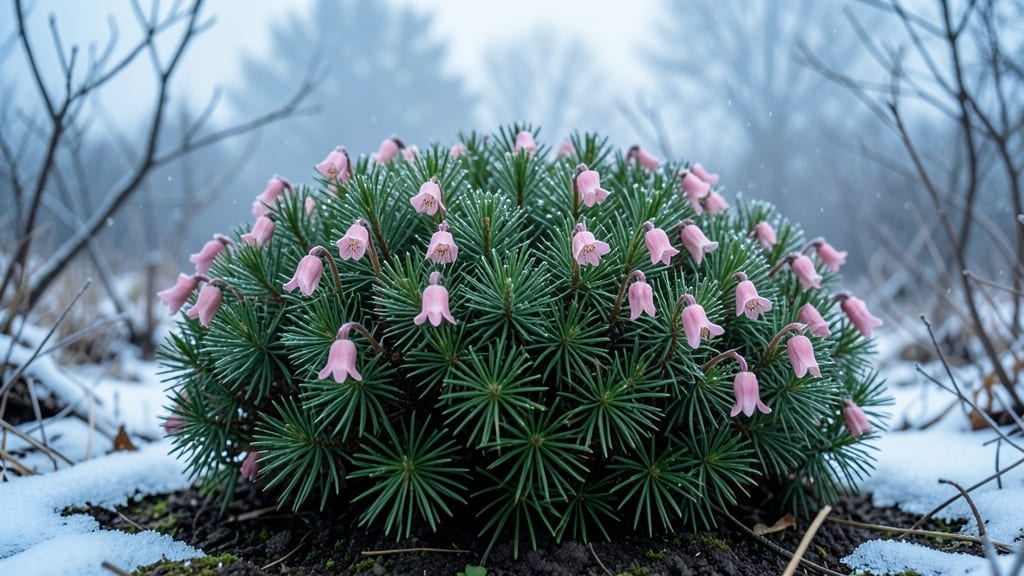
Looking for a year-round evergreen that adds color to your garden even when everything else is dormant? Winter heath (Erica carnea) is your answer. This compact shrub bursts with delicate pink bell-shaped flowers in late winter, long before most pollinators wake up from hibernation.
Thriving in acidic soil and partial shade, winter heath is perfect for woodland gardens, rockeries, or containers. Its dark green foliage provides texture year-round, while the flowers attract early bees and butterflies. Prune lightly after blooming to encourage bushier growth.
Ideal for gardeners in cooler climates (USDA Zones 4-7), this shrub requires almost no maintenance—just well-draining soil and occasional watering. It’s the perfect way to keep your garden vibrant through winter. 🌱
Cyclamen: Unique Upside-Down Flowers for Shade
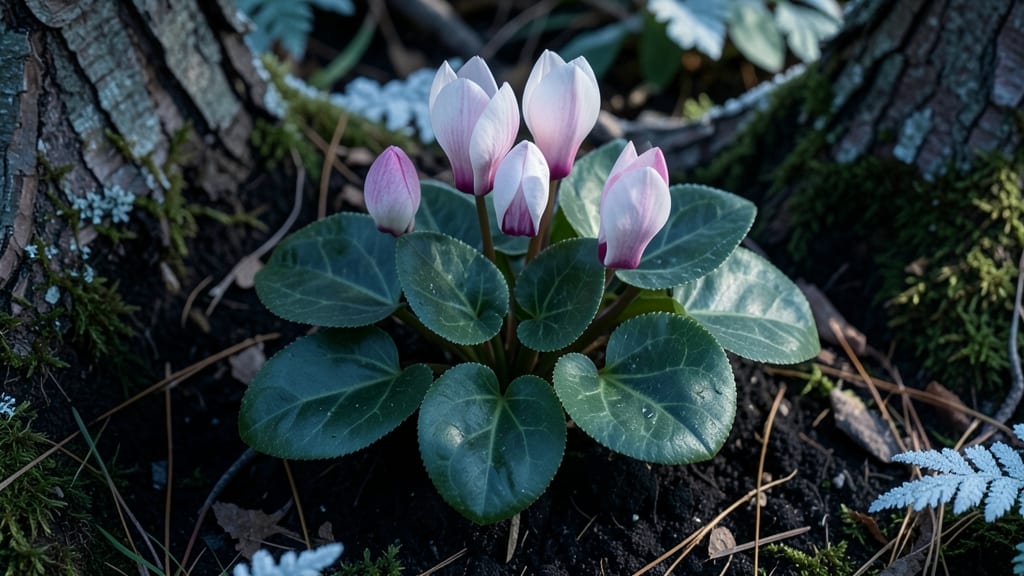
If you crave winter color but struggle with sunny spots, cyclamen delivers a dreamy solution—its upside-down blooms and glossy leaves thrive where other plants refuse to grow. Unlike sun-loving winter bloomers, this shade specialist brightens dark corners with delicate pink or white flowers that appear from late winter into spring.
Plant cyclamen in well-draining soil under trees or in containers, keeping it moist but never soggy. Its heart-shaped leaves create a lush carpet, while the flowers nod gracefully above them. For best results, avoid overhead watering to prevent leaf spots—this low-maintenance gem rewards patience with months of effortless beauty.
Shade gardeners and woodland enthusiasts will love how cyclamen transforms dull winter spaces into whimsical displays. Pair it with hellebores for a layered, evergreen effect that lasts until spring. 💚
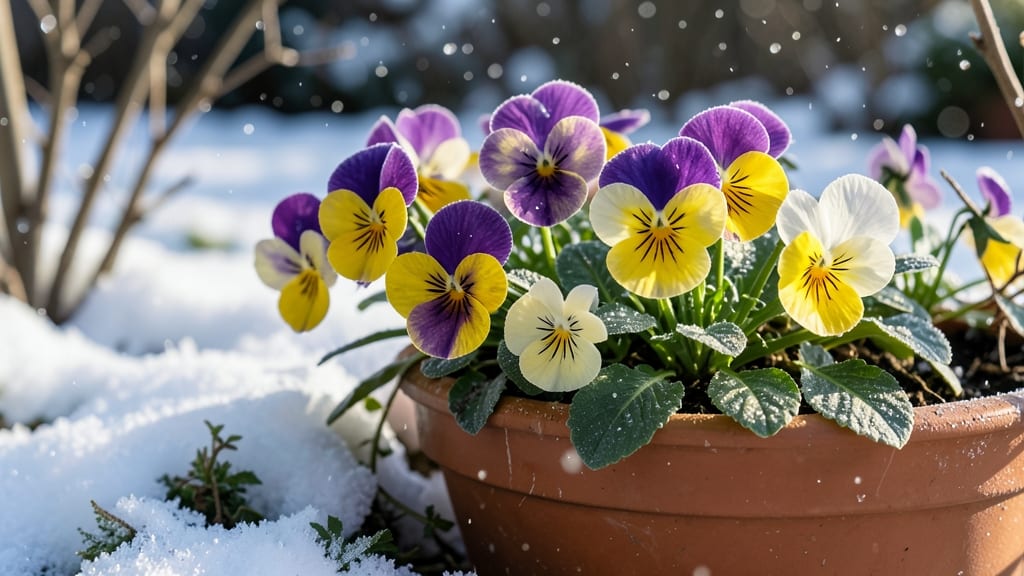
Pansies: Hardy Annuals with Bold Winter Color

When winter blues creep in, pansies are your secret weapon—these cheerful annuals defy frost with their vibrant blooms in purple, yellow, and white, lighting up patios and windowsills from late fall through early spring.
Unlike many winter plants, pansies thrive in containers or garden beds, making them perfect for urban balconies or rural borders. They tolerate light frosts down to 20°F and even rebound after heavier freezes. For best results, plant them in well-draining soil with 4-6 hours of sun—they’ll reward you with nonstop color until spring’s first warm days.
Urban gardeners and beginners will love pansies for their low-maintenance nature and versatile placement. Mix colors in window boxes or tuck them into garden edges for a pop of winter cheer that’s impossible to ignore. 🌻