
Blooming
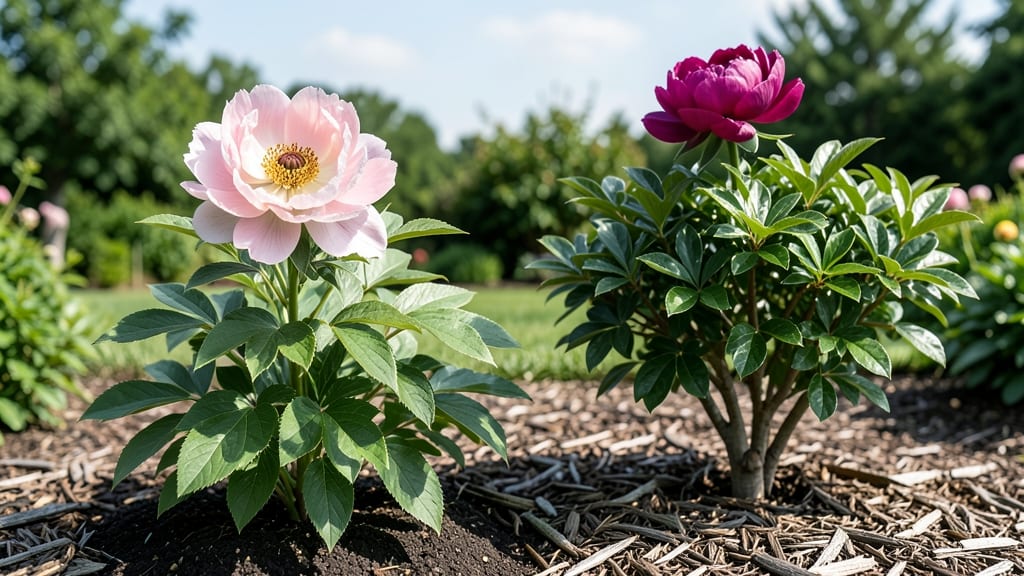
Peonies bloom when the soil warms to 60°F—that first flush of petals signals spring’s sweetest reward. 🌸 I’ve watched my peony bushes go from bare stems to foot-tall clouds of blooms in just two weeks, and the timing varies wildly by variety and climate.
Some burst into color by late April, while others wait until June, but all deliver that intoxicating fragrance that makes summer feel like a gift.
The secret to longer blooms? Consistent moisture and light pruning after the first flush. I’ve learned that cutting back spent blooms encourages a second wave—my Sarah Bernhardt peonies now give me two rounds of flowers, not one.
And if you live where winters are mild, some varieties even surprise you with late-season blooms in fall.
You’ll know it’s time to prepare when the buds swell like green balloons. That’s when I start mulching heavily to protect roots and staking taller varieties before they bow under their own weight.
The payoff? Weeks of fragrant blooms that turn heads and fill the air with that classic peony sweetness.
Works in zones 3-8, though southern gardeners may need afternoon shade to prevent scorching. Northern growers get the longest bloom seasons—just don’t rush pruning until after the last frost. Here’s how to time it perfectly for your region.
📚 In This Guide
- What you need
- Instructions
- Tips and common mistakes
- Wrapping up and next steps
What you need
- ● Peony plants: Choose Paeonia lactiflora or Paeonia officinalis (herbaceous or tree peonies). Buy 3–5 bare-root plants or container-grown specimens for optimal variety.
- ● Well-draining soil: Mix 1 part garden soil, 1 part compost, and 1 part coarse sand or perlite (1 cubic yard per 100 sq. ft. of garden bed).
- ● Organic mulch: Wood chips or straw (2–3 inches thick) to retain moisture and regulate temperature.
- ● Slow-release fertilizer: A 10-10-10 NPK blend (1–2 lbs per 100 sq. ft.) applied in early spring.
- ● Watering can or hose: With a gentle spray nozzle to avoid damaging buds.
- ● Garden trowel or spade: For planting and soil amendments (5–6 inch blade recommended).
- ● Pruning shears: Sharp, bypass-style shears (for deadheading and shaping).
- ● Gloves: Heavy-duty garden gloves (to protect from thorns and soil).
- ○ Thermometer (optional): Soil or air thermometer to monitor heat triggers (50–85°F range for optimal blooming).
- ○ Row covers or shade cloth (optional): Lightweight fabric (30–50% shade) for young plants in hot climates.
- ● Sunlight: Full sun (6–8 hours daily)—peonies are sun-worshippers! ☀️
- ● Climate zone: Hardy in USDA Zones 3–8 (adjust care for zones 9+).
- ● Patience: Peonies take 2–3 years to establish and bloom reliably.
- ● Knowledge of heat triggers: Peonies often bloom in response to warm spring days (60–70°F) followed by cooler nights (50–55°F).
Understanding peony bloom stages: how heat triggers peak fragrance
Peonies don’t just bloom—they perform. Here’s how to read their heat cues for the most dramatic, fragrant show.
🌱 Step 1: Identify Your Peony’s Heat Zone and Variety
First, know your climate. Peonies thrive in USDA Zones 3-8, but their bloom time shifts with heat exposure. Herbaceous peonies (the most common) need 50-60 days of temperatures above 50°F before blooming. Tree peonies, meanwhile, prefer warmer climates and may bloom earlier in Zones 6-9.
Check your variety—Japanese and intersectional types often bloom 2-3 weeks earlier than classic herbaceous ones. I always verify by tracking last year’s bloom date and adjusting expectations. If your peonies bloomed in early June last year, expect a similar window this season unless temperatures run unusually warm or cool.
☀️ Step 2: Track Soil and Air Temperature Cues
Peonies won’t bud until the soil reaches 55°F consistently for 10-14 days. Use a soil thermometer to confirm—surface temps can mislead. I dig mine into the soil near the crown to get an accurate reading. Once buds form, watch for 50°F nights—they harden buds and prevent frost damage.
Here’s the critical moment: when daytime highs hit 70°F for 3+ days, buds swell visibly. That’s your signal to stop pruning spent blooms—new growth is already underway. If temps dip below 40°F after buds form, they’ll abort. I’ve learned the hard way that a late frost in April can wipe out months of anticipation.
🌿 Step 3: Monitor Bud Development Stages
Peony buds go through 4 distinct stages before opening. Stage 1 is the tight, green bud—this appears 4-6 weeks before bloom. Stage 2 shows color (pink, red, or white) and feels firm when gently squeezed. Stage 3 swells noticeably, with petals visible but still closed.
Stage 4 is the final 24-48 hours—buds soften, petals separate slightly, and you’ll smell the first hint of fragrance. This is when I move containers (if potted) to a shaded spot to extend bloom life. Overwatering now causes buds to split or rot, so I water only when the top 2 inches of soil feel dry.
⏰ Step 4: Extend Bloom Time with Strategic Care
Peonies bloom for 7-10 days per flower, but you can stretch this with precision. Deadhead only after petals fully open—cutting too early removes pollen, which attracts bees and extends the show. I use clean, sharp shears and remove spent blooms below the first set of leaves to encourage reblooming in varieties like ‘Sarah Bernhardt’.
For potted peonies, move them to partial shade once buds open to slow wilting. Mulch heavily with 3-4 inches of organic matter (like shredded bark) to keep roots cool. I’ve seen blooms last 2 weeks in containers with this method, compared to the usual 7 days in full sun. Just avoid fertilizing now—peonies focus energy on blooming, not foliage.
✂️ Step 5: Prepare for Next Year’s Bloom
After blooms fade, leave seed pods if you want new plants—but remove them by late July to redirect energy to next year’s buds. Cut back foliage to 2 inches in fall, but never the stems completely. I mark where I cut to avoid digging into the crown.
Peonies need 6-8 weeks of warm soil before winter to set next year’s buds. In colder zones, add 4-6 inches of mulch after the ground freezes. I’ve seen peonies bloom 3 weeks earlier in years I mulched properly—it’s like giving them a head start on spring.
Tips & tricks for perfect peony bloom timing
Peonies reveal their secrets through subtle temperature cues—here's how to decode them for flawless blooms.
Heat Zone Precision: The 50°F threshold for 50-60 days isn't just a number—it's the biological trigger for bud formation. In colder zones (3-5), I've found that adding black landscape fabric over the crown in early spring can raise soil temps by 5-10°F, accelerating bud development. For tree peonies in zones 6-9, watch for those daytime highs of 70°F—this is when their unique fragrance development really kicks in, often 1-2 weeks earlier than herbaceous types.
Soil Thermometer Secret: That 55°F soil temperature reading needs to be taken at the crown level, not just surface soil. I've ruined multiple bloom cycles by trusting surface temps that were misleadingly warm. Bury your thermometer probe 4-6 inches deep near the crown for accurate readings. Pro tip: Take readings at both dawn and dusk—this gives you the full temperature range peonies experience.
Bud Stage Visual Cues: Stage 4 buds (the final 24-48 hours) have a distinctive "velvet texture" when you gently touch them—almost like suede. This is your cue to prepare for the big reveal. I've learned to check buds at this stage twice daily: morning for fragrance development and evening for any signs of stress from temperature swings. The slight softening you feel is when petals begin separating internally, even before they're visible.
Mulching Strategy: The 3-4 inches of organic mulch isn't just about insulation—it's about moisture regulation. I've seen peonies in containers with proper mulching extend their bloom by 3-5 days compared to unmulched plants. For potted peonies, use a mulch-to-soil ratio of 2:1 (2 parts mulch to 1 part soil) to prevent compaction while maintaining that critical root zone temperature.
Pro Tips for Bloom Time For Peonies
- Peonies reveal their secrets through subtle temperature cues—here's how to decode them for flawless blooms.
- Heat Zone Precision: The 50°F threshold for 50-60 days isn't just a number—it's the biological trigger for bud formation.
- Soil Thermometer Secret: That 55°F soil temperature reading needs to be taken at the crown level, not just surface soil.
Frequently asked questions
Got questions about peonies and their bloom time? You’re not alone! Here are some of the most common queries—plus quick, practical answers to help you make the most of your fragrant favorites.
When is the best time to plant peonies for peak blooms?
Plant peonies in early fall (4–6 weeks before the first frost) or early spring (as soon as the soil is workable). Fall planting gives roots time to establish before winter, while spring planting works in warmer climates. Avoid transplanting peonies once they’re blooming—they hate being disturbed during their active growth phase!
How long does it take for peonies to bloom after planting?
Peonies are patient plants! Expect blooms 2–3 years after planting from bare-root stock, or 1–2 years if you’re transplanting established plants. Patience pays off—once they bloom, they’ll reward you with decades of fragrance and color (some varieties live over 100 years!).
Can peonies bloom more than once a year, or just once?
Most peonies are once-blooming perennials, producing their showstopping flowers in late spring to early summer (May–June in most zones). However, Intersectional (IT) hybrids and some tree peonies may rebloom lightly in fall with proper care—think pruning dead blooms promptly and fertilizing with low-nitrogen food.
Why aren’t my peonies blooming this year?
No blooms? Don’t panic—it’s often a sign of overfeeding, too much shade, or improper pruning. Try this:
- Prune correctly: Cut back stems to 1–2 inches above the ground after blooming (never the foliage—it feeds the roots!).
- Give them sun: Peonies need 6+ hours of sunlight daily for robust blooms.
- Check the soil: Too much nitrogen (like lawn fertilizer) = lush leaves, no flowers. Use a balanced 10-10-10 or phosphorus-heavy fertilizer instead.
What’s a good alternative if my peonies bloom late or not at all?
If you love peony fragrance but struggle with timing, try these low-maintenance, reblooming alternatives:
- Daphne: Delicate, highly fragrant blooms in early spring (March–April). Thrives in shade!
- Mock Orange (Philadelphus): Creamy-white, highly fragrant flowers in late spring (May–June). Reblooms on new wood.
- Syringa (Lilac): Classic fragrance with prolific blooms in late spring (May). Some varieties rebloom!
- Tree Peonies (Paeonia suffruticosa): Bloom earlier (April–May) than herbaceous peonies and often rebloom in fall.
Pro tip: Mix peonies with these plants for a season-long fragrance garden!
Wrapping up and next steps
Understanding your peonies’ bloom time is the key to unlocking their full potential—whether you’re savoring their fragrance or extending their beauty year-round! 🌸 From heat-sensitive buds to strategic care, each stage plays a role in creating a garden that bursts with color and scent.
Now that you’re equipped with the when, why, and how of peony blooming, it’s time to roll up your sleeves and put this knowledge into action.
Your next step? Monitor your peonies’ progress and adjust care as needed—whether that means protecting them from late frosts, pruning with precision, or even experimenting with forcing techniques. Every garden is unique, so trust your observations and let your peonies guide you. Happy gardening—your fragrant paradise awaits! 🌿✨