
Blooming
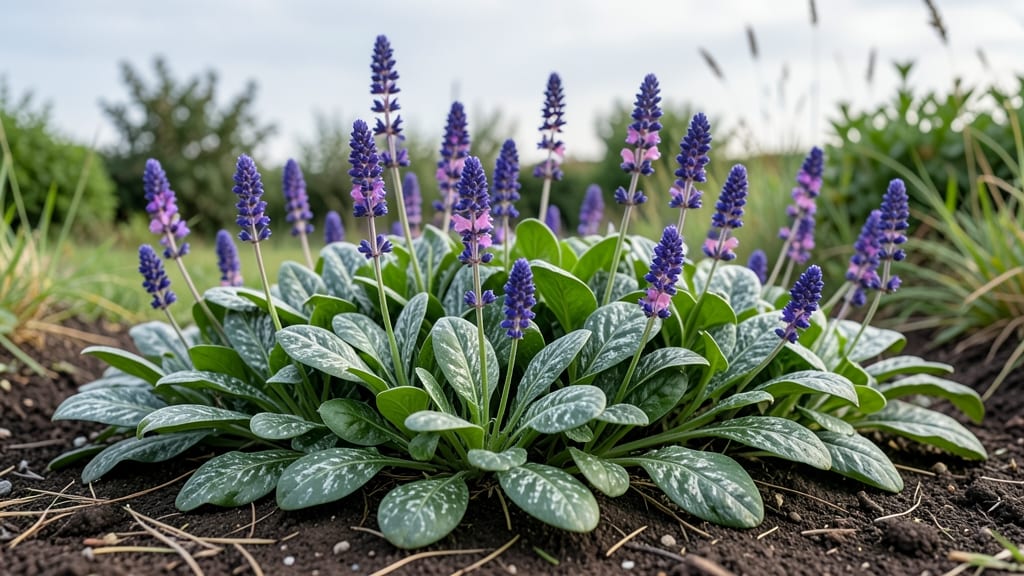
The purple spikes of the bugleweed bloom time appear like magic after frost—proof that cold snaps don't stop this tough groundcover from putting on a show. 💜 I've watched mine burst into bloom in early spring, even when snow still lingers nearby, and the sight never fails to cheer me up after a long winter.
This plant thrives in zones 3-9, with blooms typically arriving between March and May, though late-winter snaps can trigger earlier flowering. The key to encouraging those vibrant purple flower spikes?
Prune back last year's growth in early spring—it gives the plant energy to focus on new blooms instead of maintaining old foliage.
Once established, bugleweed needs almost no maintenance. Just keep it in partial shade and well-drained soil, and it'll reward you with weeks of color that most spring flowers can't match. The blooms also attract pollinators early in the season, giving your garden a head start.
If you're planting new bugleweed, don't worry about timing—it spreads aggressively and handles both heat and cold once settled. The real secret? Let it go dormant in winter; that's when it builds the resilience to bloom brighter than ever next spring.
📚 In This Guide
- What you need
- Instructions
- Tips and common mistakes
- Wrapping up and next steps
What you need
- ● Bugleweed (Ajuga reptans) plants – 3–5 mature plants (for full coverage) or 10–15 young starts (for spacing flexibility). Choose varieties like 'Chocolate Chip' or 'Catlin's Giant' for bold foliage and blooms.
- ● Well-draining soil mix – 1 part native soil, 1 part compost, and 1 part perlite or coarse sand (for aeration). Aim for a pH of 6.0–7.5.
- ● Mulch – 2–3 inches of organic mulch (e.g., shredded bark or leaf litter) to insulate roots and retain moisture.
- ● Slow-release fertilizer – 10–20 lbs per 100 sq. ft. of 10-10-10 or 5-10-5 blend (applied in early spring).
- ● Garden trowel or spade – For digging planting holes (6–8 inches deep).
- ● Garden fork – To loosen compacted soil before planting.
- ● Watering can or hose with a gentle spray nozzle – For deep watering (1–1.5 inches per week).
- ○ Gloves – Optional but recommended for handling prickly foliage.
- ● Pruners (sterilized) – For trimming spent blooms or invasive runners after flowering.
- ● Sunlight – Partial shade (2–4 hours of morning sun) is ideal; avoid harsh afternoon rays.
- ● Hardiness zone – USDA zones 3–9 (bugleweed thrives in cold climates!).
- ● Water source – Consistent moisture during establishment (first 2–3 weeks).
- ● Patience – Blooms may take 2–3 years to reach peak abundance from seed!
How to time and encourage bugleweed blooms after frost
Bugleweed’s purple spikes arrive later than most perennials—but with the right care, they’ll reward you with bold color even after winter’s chill.
☀️ Step 1: Prune Back Hard in Early Spring
As soon as new shoots appear in early spring (usually March-April), cut back the previous year’s growth to 2 inches above ground. This might seem drastic, but bugleweed stores energy in its roots and will bounce back stronger. I like to use clean, sharp pruners to avoid tearing the stems—this prevents disease from entering through jagged cuts.
Watch for the first bright green leaves emerging from the base. These signal the plant’s survival through winter and confirm it’s ready for pruning. If you wait too long, the plant will send up weak, leggy growth that never blooms as well.
🌱 Step 2: Feed and Water for Robust Growth
Once new growth reaches 4-6 inches tall, apply a balanced 10-10-10 fertilizer (using the amount recommended for your plant size). Bugleweed thrives in average garden soil but responds beautifully to a little extra phosphorus to encourage flowering. I mix the fertilizer into the top 2 inches of soil and water it in thoroughly.
Water deeply once a week during dry spells, keeping the soil evenly moist but not soggy. You’ll know it’s right when the top inch of soil feels damp but not cold or clumpy. Overwatering in spring can delay blooms, while underwatering stresses the plant before it even gets started.
⏰ Step 3: Monitor for Late Winter Thaw Signals
Bugleweed’s secret weapon is its ability to bloom after frost—often in late spring or early summer when most perennials have already peaked. Watch for new shoots in March or April, even if temperatures dip again. These early growth signs mean the plant is waking up and preparing for its dramatic purple display.
If a late frost threatens after new growth appears, cover the plants with frost cloth for protection. I’ve seen bugleweed survive 28°F once established, but tender new shoots can still get damaged. Remove the cover as soon as temperatures rise above 40°F to avoid overheating the plants.
🌿 Step 4: Support with Minimal Care Through Summer
Once blooms appear (usually May-July, depending on your climate), bugleweed needs very little maintenance. Deadhead spent flowers to encourage more blooms, but don’t go overboard—bugleweed’s seed heads also add winter interest. I pinch off only the most faded spikes to keep the plant looking tidy.
Water only during prolonged dry spells—bugleweed is drought-tolerant once established. You’ll know it’s happy when the leaves stay deep green and slightly fuzzy, and the stems remain upright without flopping. If leaves yellow, it’s usually a sign of overwatering or poor drainage, not a lack of care.
Tips & tricks for perfect bugleweed bloom timing
These practical tips will help you coax the most vibrant purple blooms from your frost-hardy bugleweed—even when other perennials have already faded.
Timing Tip for Step 1: Don’t rush the early spring pruning! Wait until you see those first bright green leaves emerging from the base—this signals the plant has survived winter and is ready to bounce back. I’ve learned the hard way that pruning too early can shock the plant when it’s still dormant. Think of it like waking up a sleepy friend: you wouldn’t poke them before they’re ready to greet you.
Frost Protection Strategy: When those tender new shoots appear in March or April, keep frost cloth handy. I’ve seen bugleweed survive down to 28°F once established, but those delicate new shoots need protection when temperatures dip below 40°F. The key is removing the cover as soon as temperatures rise—usually by mid-morning—to prevent overheating. It’s like putting a blanket on a baby: warmth is good, but too much can be harmful.
Watering Wisdom: That "evenly moist but not soggy" rule in Step 2 is crucial. I test soil moisture by grabbing a handful—it should crumble easily when dry but not feel cold or clumpy when damp. Overwatering in spring can actually delay blooms by stressing the plant before it even gets started. Think of it as giving your plant a drink: just enough to quench its thirst, not enough to drown it.
Deadheading Done Right: When blooms appear in late spring or summer, focus on removing only the most faded spikes. Bugleweed’s seed heads add winter interest, and overzealous deadheading can signal the plant it’s time to stop flowering. I like to wait until about 70% of the spike has faded before pinching—this gives the plant time to set new buds while keeping the garden tidy.
Pro Tips for Bugleweed Bloom Time
- These practical tips will help you coax the most vibrant purple blooms from your frost-hardy bugleweed—even when other perennials have already faded.
- Timing Tip for Step 1: Don’t rush the early spring pruning!
- Frost Protection Strategy: When those tender new shoots appear in March or April, keep frost cloth handy.
Frequently asked questions
about bugleweed bloom time—because timing, resilience, and care can make all the difference!When does bugleweed typically bloom after a frost?
Bugleweed (Ajuga reptans) is a frost-hardy perennial that often blooms 4–6 weeks after the last hard frost in spring, usually between April and June, depending on your climate zone. Its vibrant purple spikes emerge as temperatures stabilize above 40°F (4°C)—perfect for early-season color! If frost hits early, it may delay blooms by 1–2 weeks.
Will bugleweed bloom if it’s hit by late frost?
Yes! Bugleweed is highly frost-resistant and can survive light frosts even after buds form. Late frosts may damage tender new growth, but the plant often reblooms later in the season. If buds blacken, trim them back—new spikes will emerge within 3–4 weeks. For extra protection, mulch heavily in fall and avoid heavy watering before frost.
How can I encourage earlier or more abundant blooms?
To boost blooms, prune spent flower spikes in early summer (after they fade) to redirect energy to foliage and next year’s blooms. Deadhead lightly (remove only the top 1/3 of spent spikes) to prevent self-seeding if you prefer controlled growth. Also, ensure it gets partial shade and moist (but not soggy) soil—drought stress delays flowering.
Can bugleweed bloom more than once a year?
Bugleweed is not a repeat bloomer in one season, but it may produce secondary foliage interest (like coppery leaves) if pruned back after the first bloom. For year-round appeal, pair it with heuchera or hebe, which bloom later. If your plant seems weak, it might need division every 3–4 years to rejuvenate vigor.
What’s a good alternative if bugleweed blooms late in my area?
If your zone’s short growing season delays bugleweed blooms, try these early-to-mid spring bloomers:
- Bleeding heart (Dicentra spectabilis) – Pink/white heart-shaped flowers, March–May.
- Coral bells (Heuchera) – Colorful foliage + spring blooms, April–June.
- Lungwort (Pulmonaria) – Spotted leaves + blue/pink blooms, March–April.
- Dutchman’s breeches (Dicentra cucullaria) – Unique white "pants" blooms, April–May.
Wrapping up and next steps
Bugleweed’s vibrant purple blooms are a stunning testament to nature’s resilience—emerging boldly after cold snaps to brighten gardens with minimal fuss. Whether you’re a seasoned gardener or just starting, this hardy perennial proves that timing isn’t everything when it comes to beauty.
Now that you know its secrets, why not plant a patch this season and watch it flourish? Grab some seeds, mark your calendar, and let bugleweed’s low-maintenance charm transform your outdoor space into a purple paradise! 🌸