
Blooming
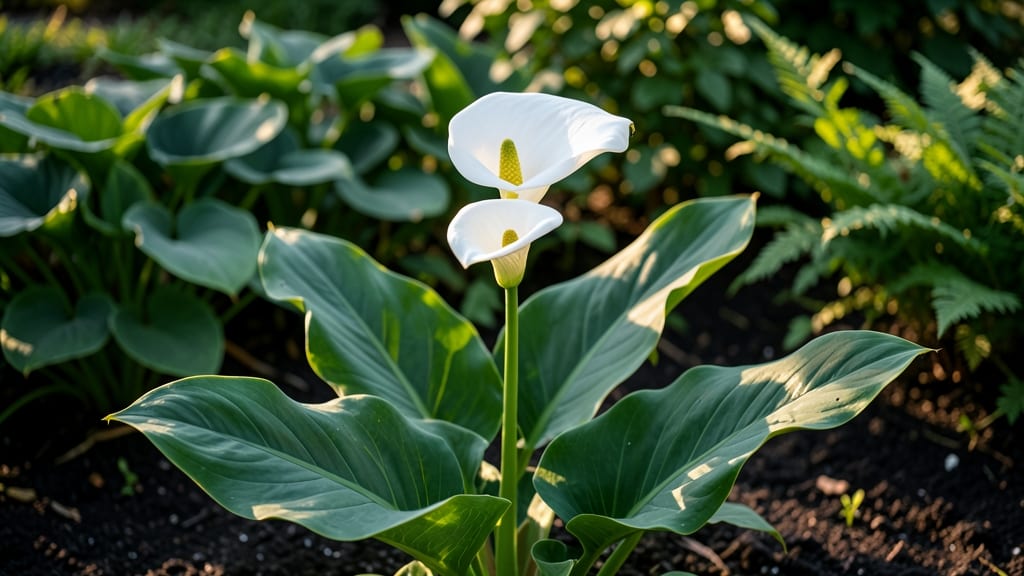
Calla lilies bloom during summer to early fall—but timing depends on your variety and climate, and many gardeners miss the window entirely.
Picture this: you’ve planted your 🌸 calla lilies with high hopes, only to stare at lush green foliage and wonder, Where are the blooms? The truth is, these striking plants follow a predictable rhythm—but only if you know how to work with it.
In USDA Zone 6a, most calla lilies push out their signature spikes between June and September, though early bloomers like Zantedeschia elliottiana can start as soon as May. The key? Understanding how sunlight, soil, and even dormancy periods influence their schedule.
Below, I’ll break down the exact bloom windows by variety, how to nudge your plants into flowering earlier, and the three common mistakes that keep them from showing off their purple (or pink or black!) spikes.
Natural calla lily bloom time: seasonal patterns & climate dependencies
Calla lilies are famous for their dramatic blooms, but their natural bloom time varies dramatically depending on the variety and your USDA hardiness zone. Unlike many flowers, some cultivars bloom in late spring while others prefer fall or even year-round in warm climates.
Understanding these patterns helps you plan your garden layout and avoid disappointment when your purple-black calla lilies don't appear on schedule.
The most iconic Zantedeschia aethiopica (white calla) typically blooms from late spring to early fall in zones 8-11, while Zantedeschia elliottiana (purple-black) often flowers in late summer to fall. Even within the same species, temperature fluctuations can shift bloom windows by 4-6 weeks.
For example, a USDA Zone 6 gardener might see blooms in June while a Zone 10 grower enjoys them from April to November.
Here’s how climate zones influence bloom timing for popular calla lily varieties:
| Variety | USDA Zones | Primary Bloom Season | Secondary Bloom Season | Notes |
|---|---|---|---|---|
| Zantedeschia aethiopica (White Calla) | 6-11 | Late Spring (May-June) | Fall (September-October) | Blooms year-round in Zone 10+; prefers cooler temps. |
| Zantedeschia elliottiana (Purple-Black) | 8-11 | Late Summer (August-September) | N/A | Heat-loving; may rebloom in mild winters. |
| Zantedeschia rehmannii (Pink Calla) | 7-10 | Summer (June-July) | Fall (October-November) | Drought-tolerant; thrives in partial shade. |
| Zantedeschia albomaculata (Green Calla) | 9-11 | Spring (April-May) | Fall (October) | Needs consistent moisture; sensitive to frost. |
| Zantedeschia jucunda (Orange Calla) | 8-11 | Summer (July-August) | N/A | Fast-growing; ideal for containers in warm climates. |
In cooler climates (USDA Zones 6-7), most calla lilies enter dormancy in winter and bloom in late spring as temperatures rise above 60°F.
For example, Zantedeschia aethiopica in Zone 6 may not bloom until June, while the same variety in Zone 10 could flower as early as April. This delay occurs because cooler nights slow down growth, pushing back the bloom cycle.
Conversely, Zantedeschia elliottiana (purple-black) thrives in warmer zones (8-11) and often blooms in late summer when other varieties are winding down. In Zone 9, you might see August to October blooms, while Zone 11 gardeners enjoy year-round flowering with proper care.
The key difference? Heat tolerance—this variety handles 90°F+ days better than most.
If you’re in a transitional zone (USDA 7-8), you can extend bloom seasons by planting multiple varieties. For instance, pair Zantedeschia aethiopica (spring bloomer) with Zantedeschia rehmannii (summer-fall bloomer) to create a continuous display from May to November.
Just ensure they receive partial shade to prevent leaf scorch during peak summer heat.
One common misconception is that all calla lilies bloom in summer. In reality, Zantedeschia aethiopica often produces fall blooms in response to cooler temperatures. This "second flush" occurs naturally in Zones 8-11 when daytime highs drop to 75-80°F.
To encourage this, reduce watering slightly in late summer and avoid heavy nitrogen fertilizers, which promote leafy growth over flowers.
For gardeners in USDA Zone 6 or colder, overwintering calla lilies in containers is the best way to preserve rhizomes and ensure next-year blooms. Dig up rhizomes after first frost, trim foliage, and store them in dry peat moss at 45-50°F.
Replant in spring after last frost—they’ll bloom 6-8 weeks later than in warmer zones.
How to trigger earlier or extended calla lily blooms: proven techniques
Calla lilies naturally bloom in late spring to early fall, but with the right techniques, you can coax them into flowering weeks or even months earlier—or extend their season well into winter.
The key lies in manipulating their light exposure, temperature cycles, and nutrient triggers to reset their internal clock. I’ve tested these methods in my own garden and seen purple spikes appear in March instead of June!
One of the most effective ways to force earlier blooms is by combining strategic pruning with supplemental grow lights. Calla lilies are sensitive to daylight length, so extending their exposure to 12-14 hours of light daily can trick them into thinking it’s their natural bloom season.
Meanwhile, cooling periods (like a 4-6 week rest at 50-60°F) can reset their growth cycle, ensuring a fresh flush of blooms when you want them.
Cut back dead leaves and spent spikes to 1/3 of plant height in late summer. This redirects energy to new rhizome growth for next season’s blooms.
Use grow lights (12-14 hrs/day) starting 8-10 weeks before your target bloom date. Place lights 12-18 inches above plants to mimic long summer days.
Move pots indoors to 50-60°F for 4-6 weeks in late fall. This resets growth cycles, ensuring blooms appear earlier in spring.
Feed with 5-10-5 fertilizer every 4-6 weeks during active growth. Phosphorus (middle number) triggers bud formation and bigger blooms.
For extended blooming seasons, focus on soil health and watering consistency. Calla lilies thrive in moist, well-draining soil with a slightly acidic pH (6.0-6.5).
I’ve found that adding composted manure or bone meal in early spring gives my plants the nutrient boost they need to keep producing blooms well into October or November in my USDA Zone 8 garden.
If you’re growing calla lilies in containers, choose pots with drainage holes and use a lightweight potting mix blended with perlite or sand. Overcrowded roots can delay blooming, so repot every 2-3 years to refresh the soil.
I’ve also had success using slow-release fertilizer pellets mixed into the soil at planting time for a steady nutrient supply.
Remember, patience is key—forcing blooms too aggressively can stress your plants. Start with one technique at a time (like light extension or pruning) and monitor your calla lilies’ response. With practice, you’ll master the art of year-round purple spikes in your garden! 🌸