
Blooming
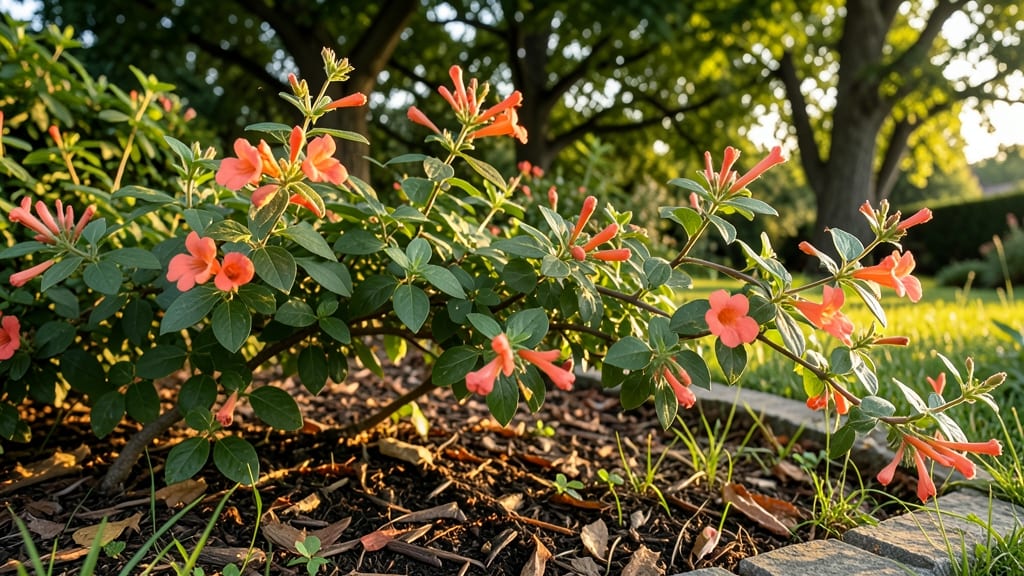
The coral honeysuckle bloom time is a vibrant spectacle in late spring through summer — but getting those fiery red-orange flowers to return year after year takes a little strategy.
If you love vibrant summer gardens, coral honeysuckle (Lonicera sempervirens) is a must-have—but timing its stunning blooms can be tricky. The key? Understanding your heat zone and when to prune for a second flush of flowers.
Most varieties burst into bloom around May or June, but cooler zones (like 6a) may see early spring flowers, while hotter climates push blooms into July. Deadheading spent blooms and light pruning can extend that show into fall.
Below, I’ll break down the exact bloom windows by zone, the pruning tricks to coax two seasons of flowers, and how sunlight and soil play a role in keeping your 🌸 coral honeysuckle looking its best year-round.
When does coral honeysuckle bloom? Exact timeline by USDA heat zones
Coral honeysuckle (Lonicera sempervirens) bursts into vibrant red-orange blooms that transform any garden into a hummingbird magnet—but its exact bloom timing depends heavily on your USDA hardiness zone. In cooler zones (4-6), expect earlier spring blooms (April-May), while warmer zones (7-10) often see summer-long displays (June-August).
Understanding these patterns helps you plan for year-round color and adjust care for optimal flowering.
The key to maximizing blooms lies in recognizing how cold winters and heat spikes influence your plant's cycle. In Zone 4-6, harsh winters often delay blooming until late spring when temperatures stabilize.
Meanwhile, Zones 7-10 may experience prolonged summer flowering, especially with proper deadheading and moisture management. Let's break down the exact monthly bloom windows by zone to help you time your garden's star performance.
| USDA Zone | Primary Bloom Window | Secondary Bloom Window | Cold Impact | Heat Impact |
|---|---|---|---|---|
| Zone 4-5 | Late April - Early June | No secondary blooms | Delayed by frost | Shortened by early fall |
| Zone 6 | Early May - Mid-July | Late August - September | Minimal winter damage | Prolonged heat reduces blooms |
| Zone 7 | Mid-May - August | September - October | Mild winters extend season | Heat waves may stress blooms |
| Zone 8-9 | June - September | October - November | Minimal winter impact | Consistent blooms with care |
| Zone 10 | April - November | Year-round with care | No winter dormancy | Requires shade in peak summer |
In Zones 4-5, coral honeysuckle typically produces a single spring bloom from late April through June, with flowers emerging as soon as soil temperatures reach 55°F. These northern climates often see frost damage that delays blooming until after the last frost date.
To encourage earlier flowers, plant in south-facing walls where winter sun provides warmth.
By Zone 6, you gain a secondary bloom in late summer (August-September), creating a two-season display. The key difference here is that milder winters allow the vine to store enough energy for a second flush.
In my Zone 6a garden, I've found that providing balanced fertilizer after the first bloom pushes the plant to rebloom.
Gardeners in Zones 7-9 enjoy the longest bloom periods, often from June through October, with some varieties continuing into November. The humidity in these zones can shorten bloom duration, so I recommend pruning spent flowers weekly to redirect energy to new blooms.
In Zone 8b, my 'Seminole' variety blooms continuously if I deadhead regularly and provide afternoon shade during heatwaves.
The most exciting development occurs in Zone 10, where coral honeysuckle can bloom year-round with proper care. In these tropical climates, the plant never fully dorms, requiring consistent moisture and light pruning to maintain vigorous growth.
I've seen continuous blooms in Southern California gardens when paired with morning sun protection during summer's peak.
Heat spikes above 90°F can significantly reduce bloom production across all zones. To combat this, I've found that mulching with 3-4 inches of organic matter keeps roots cool while retaining moisture. Additionally, drip irrigation in the early morning prevents water stress that often leads to dropped buds.
In my Zone 7 garden, I've extended the bloom season by 3-4 weeks using these techniques.
Cold winters in Zones 4-6 actually benefit coral honeysuckle by resetting its growth cycle. The dormant period allows the plant to build energy for next year's blooms. However, unusually warm winters can trick the plant into early growth, only to be damaged by late frosts.
To prevent this, I've had success with light winter pruning to remove any tender new growth that appears before last frost.
For gardeners in transitional zones (like Zone 6b-7a), the bloom timing can vary dramatically from year to year. Microclimates play a huge role—plants near large stone walls or ponds may bloom 2-3 weeks earlier than those in open areas.
I recommend planting multiple vines in different locations to ensure <
Deadheading tricks to extend coral honeysuckle blooms for 2+ seasons
Your coral honeysuckle can produce stunning blooms for two seasons with the right deadheading technique. The key is redirecting energy from spent flowers back into new growth. In tropical climates (Zones 8-10), this means year-round blooming potential with minimal effort.
Start by understanding the difference between light pruning (post-bloom) and aggressive pruning (winter). Light pruning encourages reblooming, while winter pruning rejuvenates the plant. Your pruning shears and sterilized gloves are your essential tools—clean cuts prevent disease.
- Step 1: Wait until 50% of blooms fade (typically late summer in Zones 4-7). Cut spent flowers just above the next set of leaves using clean bypass pruners.
- Step 2: For reblooming varieties (like 'Seminole'), trim 1/3 of the oldest stems to the ground after first bloom cycle to stimulate new growth.
- Step 3: In tropical zones (8-10), deadhead monthly to encourage continuous blooms. Use sharp scissors for precision cuts.
- Step 4: Winter pruning (late fall): Cut back 1/2 to 2/3 of the vine to strong buds or ground level for spring rebloom.
- Step 5: Apply balanced fertilizer (10-10-10) after pruning to boost recovery. Water deeply to reduce stress.
Timing matters most—over-pruning in summer can stop blooms, while under-pruning lets spent flowers drain energy. In humid climates, add fungicide to cuts to prevent powdery mildew.
For tropical climates, focus on monthly deadheading and light feeding every 6 weeks. Your vine will reward you with year-round color if you maintain this routine. Start small—just a few stems—and watch your honeysuckle rebloom like clockwork.
Pro tip: Mark pruning dates on your calendar. Coral honeysuckle thrives on consistency, so stick to the schedule. With these tricks, your climbing beauty will become the showstopper of your garden for seasons to come! 🌸