
Blooming
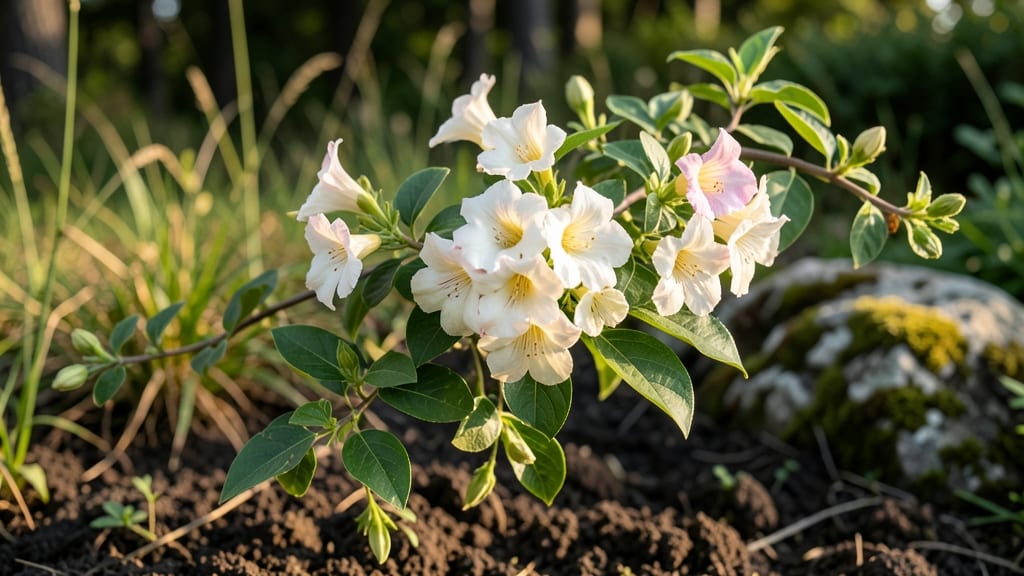
The honeysuckle bloom season transforms your garden into a fragrant haven in early to mid-summer 🌸, but the exact timing depends on where you live.
Picture this: you’ve waited all year for those golden spikes to appear, only to realize you missed the prime bloom window for your zone. That’s why knowing your climate matters—whether you’re in a warm Southern region or a cooler Northern spot, the difference can be weeks.
Most varieties burst into color between June and September, but early bloomers start as soon as May in warmer areas, while Northern gardens might not see them until July.
The key? Understanding how your USDA zone shapes your honeysuckle’s schedule—and how simple care tweaks can extend those fragrant spikes for weeks longer.
In this guide, I’ll break down the bloom seasons by zone, share pro tips to prolong flowering, and reveal the biggest mistakes that keep honeysuckle from blooming at all. Ready to turn your vine into a year-round fragrant showstopper?
Honeysuckle bloom season by USDA climate Zones: when to expect fragrant spikes
Timing your honeysuckle's fragrant blooms starts with knowing your USDA climate zone. In Zone 3, expect late June blooms, while Zone 10 gardens may see flowers as early as March or April. These differences occur because honeysuckle responds to temperature shifts rather than fixed calendar dates.
Northern gardeners in Zones 3-5 often wait until late June or July for their first golden spikes, while Southern growers in Zones 7-10 typically enjoy blooms from March through September. Even within the same zone, microclimates can shift bloom timing by 2-4 weeks.
| USDA Zone | Primary Bloom Window | Early Varieties | Late Varieties | Regional Notes |
|---|---|---|---|---|
| Zones 3-4 | Late June - July | 'Golden Sunrise' | 'American Beauty' | Northern blooms delayed by frost risk |
| Zones 5-6 | Early June - August | 'Serotina' | 'Hasch's Perfume' | Mid-Atlantic states bloom 1-2 weeks earlier |
| Zones 7-8 | March - September | 'Periclymenum' | 'Graham Thomas' | Southern blooms extend into fall |
| Zones 9-10 | March - May | 'Hall's Prolific' | 'Loddon Pink' | Winter blooms possible in mild winters |
In Zones 3-5, honeysuckle varieties like 'Golden Sunrise' often bloom first, producing bright yellow flowers that attract hummingbirds. These early bloomers help pollinators after winter's long absence. For Zones 7-10, 'Periclymenum' varieties extend blooming into September.
Regional variations matter too. In Pacific Northwest gardens (Zone 7-8), coastal areas may see blooms 2 weeks earlier than inland regions due to milder winters. Meanwhile, Southeastern states often experience double blooming seasons—spring and fall.
For Zone 6 gardens, the peak bloom period typically falls between late June and early August. This aligns with when daytime temperatures consistently reach 75°F (24°C). In Zone 9, you might see 'Hall's Prolific' bloom as early as February in sheltered microclimates.
Understanding your specific last frost date is crucial. In Zones 4-5, planting late-summer varieties like 'Hasch's Perfume' ensures you'll catch the late July to August bloom window. Southern gardeners should avoid planting too early, as winter chills can damage new growth.
If you're in Zone 10, consider winter-blooming varieties like 'Loddon Pink'. These plants may produce fragrant flowers even during mild winter months, creating a unique garden experience. Just ensure they're protected from unexpected freezes below 28°F (-2°C).
For urban gardeners in mixed zones, container-grown honeysuckle can bloom 2-3 weeks earlier than in-ground plants. The heat-absorbing properties of containers create microclimates that accelerate flowering. Just ensure containers have adequate drainage to prevent root rot.
To maximize your honeysuckle's fragrance, plant multiple varieties with staggered bloom times. This creates a continuous scent display from spring through fall. Pair early bloomers like 'Serotina' with late-season varieties like 'Graham Thomas' for the longest possible fragrance season.
Remember that pruning timing affects bloom season too. Prune after flowering in Zones 3-6, but lightly prune in late winter for Zones 7-10 to encourage earlier blooms. Always use sterilized shears to prevent disease spread.
How to extend your honeysuckle bloom season naturally: pruning, variety selection, and care tips
Want your honeysuckle to burst into fragrant blooms for weeks instead of just a few? The secret lies in smart pruning techniques, choosing the right varieties, and creating ideal growing conditions.
Unlike many plants, honeysuckle responds beautifully to proper care, rewarding you with longer bloom seasons and more vibrant flowers.
First, let's tackle the biggest misconception: honeysuckle blooms only once per season. That's simply not true for many varieties! With the right approach, you can extend your honeysuckle bloom season by up to 6-8 weeks.
The key is understanding when and how to prune, which varieties produce multiple flushes of flowers, and how to optimize your plant's environment.
- 1
- 2
- 3
- 4
- 5
For urban gardeners, creating a microclimate can work wonders. Position your honeysuckle near a sunny wall or heat-absorbing surfaces like brick or stone to extend the growing season. Even a 10°F warmer microclimate can push your bloom season by 2-3 weeks in cooler climates.
Don't forget about watering practices—honeysuckle needs consistent moisture, especially during bloom. Water deeply twice weekly during hot weather, focusing on the root zone. Mulching with 2-3 inches of organic mulch helps retain moisture and regulate soil temperature, both of which support continuous blooming.
With these strategies, you'll transform your honeysuckle from a one-time summer showstopper into a fragrant, long-blooming star that keeps your garden smelling like summer for months. The best part? These techniques work for both container-grown and in-ground honeysuckles, making them perfect for any gardening space.