
Blooming
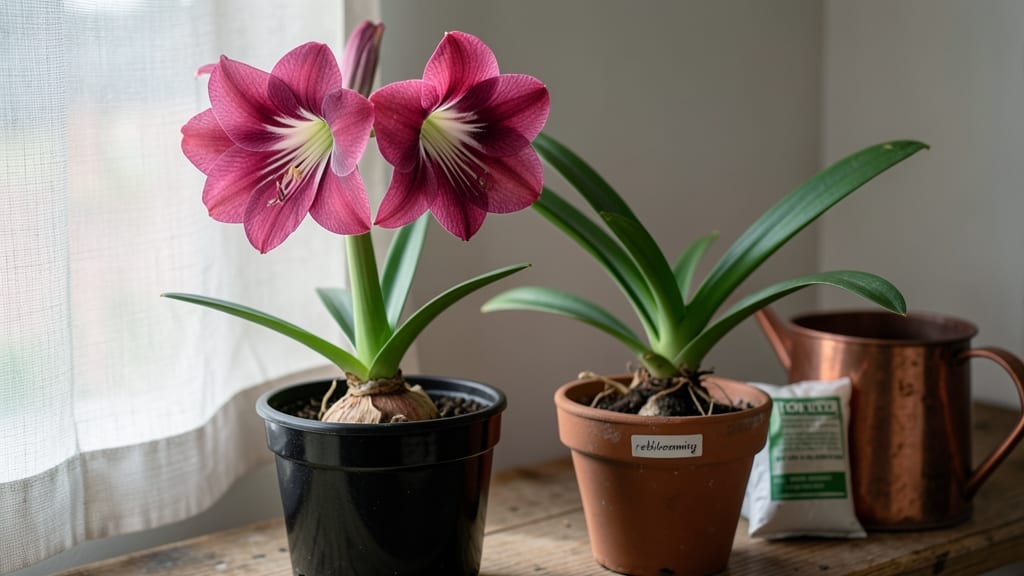
Amaryllis bulbs can bloom more than once when you provide the right conditions: a 6-8 week dormant period in cool, dark spaces after flowering, followed by bright light and steady warmth to trigger new growth.
Amaryllis bulbs are surprisingly resilient—they can produce multiple blooms over years with the right care. 🌸 The secret lies in mimicking their natural cycle: after blooming, let the foliage die back naturally, then store the bulb in a cool (50–60°F) spot with minimal light for 6–8 weeks.
This dormancy period tricks the bulb into thinking winter has arrived, priming it for another spectacular spring rebloom. I’ve seen amaryllis plants rebloom reliably for 3–5 years when given this seasonal rhythm, though some varieties like 'Red Lion' are particularly generous with their second (and even third) flowers.
What’s fascinating is how light exposure during dormancy actually matters—too much light can prevent reblooming. Once you reintroduce bright indirect sunlight (6+ hours daily) and consistent warmth (70–75°F), the bulb responds by sending up new shoots.
Think of it like a natural alarm clock: darkness signals rest, light signals "time to bloom again!"
💡 In This Article
- How Light and Temperature Control Amaryllis Reblooming
- Step-by-Step Guide to Encouraging Multiple Amaryllis Blooms
How light and temperature control amaryllis reblooming
Amaryllis bulbs rely on a process called photoperiodism—their internal clock responds to light and temperature cues to trigger blooming. During the 6-8 week dormant period, the bulb needs cool temperatures (50–60°F) and minimal light to mimic winter conditions.
This cool-down signals the bulb to conserve energy and reset its growth cycle. Without this dormancy, the bulb may produce foliage but skip flowering entirely, as it won't have the energy reserves to support blooms. 🌱
The science gets even more precise: amaryllis bulbs store energy in their scales, and cooler temperatures slow metabolism, allowing nutrients to redistribute. If you keep the bulb in warmer conditions (>65°F) during dormancy, it may stay active and grow leaves instead of preparing for flowers.
Artificial light during this period can also disrupt dormancy—even low-level LED lighting can prevent the bulb from entering true rest mode. For best results, store the bulb in a dark closet or cardboard box with just enough ventilation to prevent rot.
Once dormancy ends, bright light becomes critical. Amaryllis need 6+ hours of indirect sunlight daily (or 12–14 hours of artificial grow lights) to trigger flower bud formation. The light stimulates photosynthesis in the new leaves, which fuels bloom production.
I’ve found that south-facing windows or full-spectrum LED grow lights placed 12–18 inches above the plant work best. Without sufficient light, the bulb may produce weak stems or no flowers at all—it’s like trying to run a marathon without proper fuel.
Temperature also plays a dual role after dormancy. During active growth, maintain 70–75°F to encourage steady shoot development. Too much heat (80°F+) can stress the plant, while temperatures below 60°F slow growth. The key is consistency—fluctuations can confuse the bulb’s internal signals.
For example, if you move the plant from a cool garage to a hot kitchen window, it may hesitate to bloom until it adapts to stable conditions.
Here’s a pro tip: If your amaryllis blooms in late winter or early spring, you can extend its growth season by providing supplemental light in fall (when natural daylight shortens).
This tricks the bulb into thinking it’s still summer, delaying dormancy and potentially allowing for a second bloom later in the year. Just be prepared to adjust care as seasons change—consistency is everything with these dramatic bloomers.
What most people overlook is the transition phase between dormancy and active growth. After removing the bulb from storage, wait 2–3 weeks before repotting or fertilizing. This gives the bulb time to adjust to warmth and light without shock.
Rushing this step can lead to weak stems or stunted blooms. Patience here pays off—your amaryllis will reward you with stronger, more abundant flowers in the next cycle. ✨