
Blooming
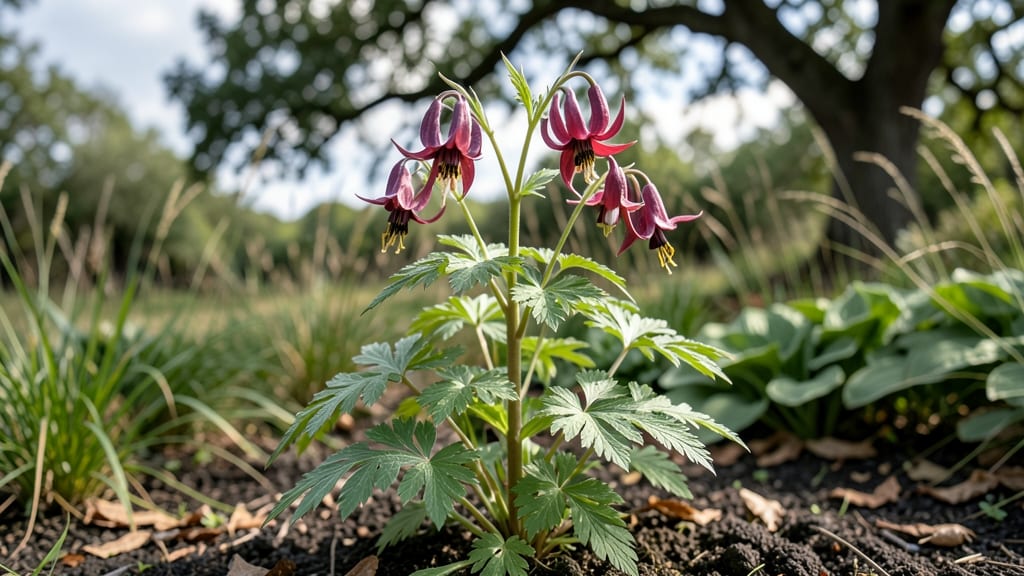
Columbines do not bloom all summer—most varieties flower primarily in spring and early summer, with occasional reblooming in fall if deadheaded. Perennial types may extend blooms into late summer with proper care, while annuals often fade after early summer heat.
Columbines are cool-season plants, which means they naturally slow down or stop blooming when temperatures rise above 75°F. 🌸 Their flowering cycle is tied to day length and temperature—spring's cooler weather triggers the most abundant blooms, while summer heat often causes them to go dormant.
Even perennials may need a little help to keep flowering later in the season, which is where deadheading and consistent care come into play.
What many gardeners don't realize is that columbines actually store energy in their roots during their first year, which they use to fuel blooms in their second year. This is why second-year plants often produce more flowers than first-year ones.
Annual varieties, on the other hand, tend to be one-and-done bloomers, with most of their energy focused on producing seeds rather than extending their flowering season.
💡 In This Article
- Columbine Bloom Seasons by Variety Type
- Extending Columbine Blooms: Pruning and Care Tips
Columbine bloom seasons by variety type
Columbines thrive as cool-season plants, meaning their blooming cycles are directly tied to temperature and daylight patterns. Most varieties—especially the popular perennial types like Aquilegia canadensis or Aquilegia vulgaris—enter a natural dormancy when daytime temperatures consistently exceed 75°F.
This heat-induced dormancy is a survival mechanism; their roots store energy during cooler months to fuel spring blooms, not summer ones. 🌿 The exception? Some hybrid varieties bred for heat tolerance may extend blooming into early summer, but even these typically peak in spring.
Annual columbines, like Aquilegia formosa, follow a different pattern. These plants focus their energy on rapid growth and seed production during their single growing season, often blooming profusely in early spring but fading by late June as they shift resources to seed development.
Perennials, however, can sometimes produce a second flush of blooms in fall if given the right conditions—typically when temperatures drop below 80°F and daylight shortens, signaling the plant to restart its flowering cycle.
The science behind this involves photoperiodism, where plants respond to daylight length. Columbines are short-day plants, meaning they bloom when daylight hours shorten (spring and fall) rather than lengthen (summer).
This explains why you'll see vibrant blooms in May but sparse flowers in July, even if the plant looks healthy. The key threshold is 14 hours of daylight—once days exceed this, most varieties conserve energy for survival rather than flowering. 🌅
Temperature also plays a critical role. Nighttime temperatures above 65°F can trigger dormancy in perennials, while daytime highs above 85°F often cause flowers to wilt or drop prematurely.
This is why gardeners in hot climates (zones 7-9) see shorter bloom seasons unless they provide afternoon shade or mulch to keep roots cool.
The contrast is striking: in cooler climates (zones 3-6), columbines may bloom from April through June, while in heat-prone areas, they might only flower for 4-6 weeks in spring.
One fascinating exception is the Rocky Mountain columbine (Aquilegia saximontana), which naturally grows at high elevations where summer temperatures stay below 70°F. These varieties can sometimes bloom sporadically through summer if grown in similar cool conditions.
For most gardeners, however, the reality is that columbines are spring stars with occasional fall cameos—unless you're willing to intervene with care techniques designed to trick their natural rhythms. ✨
Consider this comparison: A well-cared-for perennial in zone 5 might produce blooms for 8-10 weeks in spring, while the same plant in zone 8 could bloom for just 4-5 weeks unless shaded.
The difference isn't just about heat—it's about how quickly the plant's internal clock shifts from "bloom mode" to "survival mode" when stressed by warmth.