
Blooming
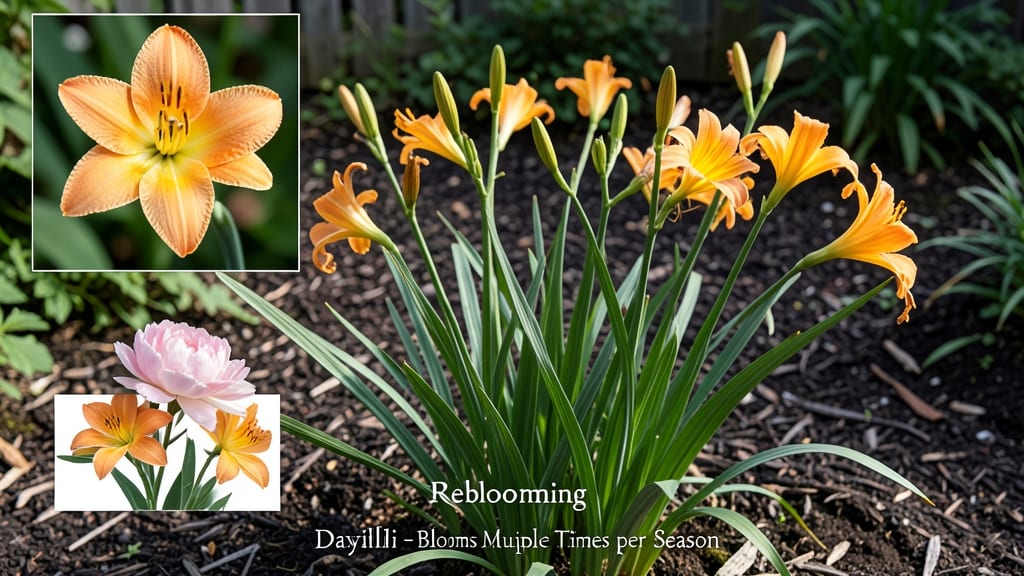
Daylilies do bloom more than once in ideal growing conditions, producing multiple flower cycles per season when exposed to consistent warmth, sunlight, and proper fertilization.
These hardy perennials are famous for their ability to rebloom, especially in zones 5-9 where nighttime temperatures stay above 60°F. 🌸 The key lies in their botanical adaptability—daylilies store energy in their rhizomes, allowing them to push new flower stalks after their initial spring display if conditions remain favorable.
Unlike annuals, they're built for longevity, often delivering three or more bloom cycles when given the right care.
What sets reblooming varieties apart is their ability to break dormancy multiple times. While most gardeners associate daylilies with spring blooms, selecting cultivars like 'Happy Returns' or 'Pardon Me' can extend your flowering season well into fall.
The trade-off? These varieties typically bloom slightly less profusely than their once-a-year counterparts, but the extended display more than makes up for it.
💡 In This Article
- How Heat and Light Extend Daylily Reblooming Seasons
- Reblooming Daylily Care: Pruning, Fertilizing, and Variety Selection
How heat and light extend daylily reblooming seasons
The reblooming phenomenon in daylilies (Hemerocallis) hinges on two critical factors: nighttime temperatures and daylight duration. These perennials enter a natural dormancy phase when nights dip below 60°F, which halts flower production.
However, in warmer climates (zones 7-9) or during extended summer heat, nights often stay above this threshold, allowing the plant to break dormancy multiple times.
This temperature sensitivity explains why daylilies in Southern gardens might bloom continuously from spring through fall, while those in colder regions (zones 4-5) typically produce just one flush.
Daylight exposure plays an equally vital role. Daylilies require at least 6-8 hours of direct sunlight daily to store sufficient energy in their rhizomes for reblooming. The plant converts sunlight into carbohydrates through photosynthesis, which are then stored as starches in the underground rhizomes.
When temperatures permit, these stored reserves fuel new flower stalks.
For example, a well-established daylily might produce its first bloom cycle in spring using winter-stored energy, then generate subsequent cycles using summer photosynthesis. 🌞 This dual energy system is why reblooming varieties often perform best in full-sun locations with well-draining soil.
The botanical mechanism involves a complex interplay of hormones. As temperatures rise above 60°F at night, the plant's meristem cells (growth points) become active again, producing new flower buds. This process is regulated by the hormone gibberellin, which promotes cell elongation and flowering.
In contrast, cooler nights trigger the production of abscisic acid, a hormone that signals dormancy. The balance between these hormones determines whether a daylily will rebloom or enter its resting phase. This is why gardeners in transitional climates often see sporadic reblooming—brief heatwaves can temporarily override the dormancy signal.
Light quality also matters. Daylilies respond best to full-spectrum sunlight, particularly the blue and red wavelengths that drive photosynthesis. Artificial grow lights can supplement natural light in shady gardens, though they won't fully replicate the intensity of sunlight. Additionally, the plant's photoperiod (day length) influences reblooming.
While daylilies aren't strictly short-day plants, they do perform better with consistent daylight exposure rather than erratic cloud cover. In regions with long summer days (14+ hours), daylilies can produce nearly continuous blooms if other conditions are met.
Consider this real-world example: In Atlanta (zone 7b), daylilies like 'Happy Returns' often bloom from May through October, thanks to summer nights rarely dropping below 65°F. Meanwhile, in Chicago (zone 5b), the same variety might produce only one spring bloom before dormancy sets in.
The difference lies in the cumulative effect of heat and light—each degree above 60°F at night and each additional hour of sunlight extends the reblooming window.
This is why gardeners in warmer climates can enjoy daylilies as near-perennial bloomers, while those in cooler zones must choose once-blooming varieties or take extra care to protect plants from early frosts.
One common misconception is that all daylilies rebloom equally. In reality, even within reblooming cultivars, performance varies. For instance, 'Stella de Oro' is renowned for its compact size and prolific reblooming, while 'Pardon Me' produces fewer but larger flowers.
The key difference often lies in the plant's rhizome vigor—stronger rhizomes store more energy, enabling more rebloom cycles. This is why dividing mature daylily clumps every 3-4 years can rejuvenate their flowering potential by reducing competition for stored nutrients. 🌱