
Blooming
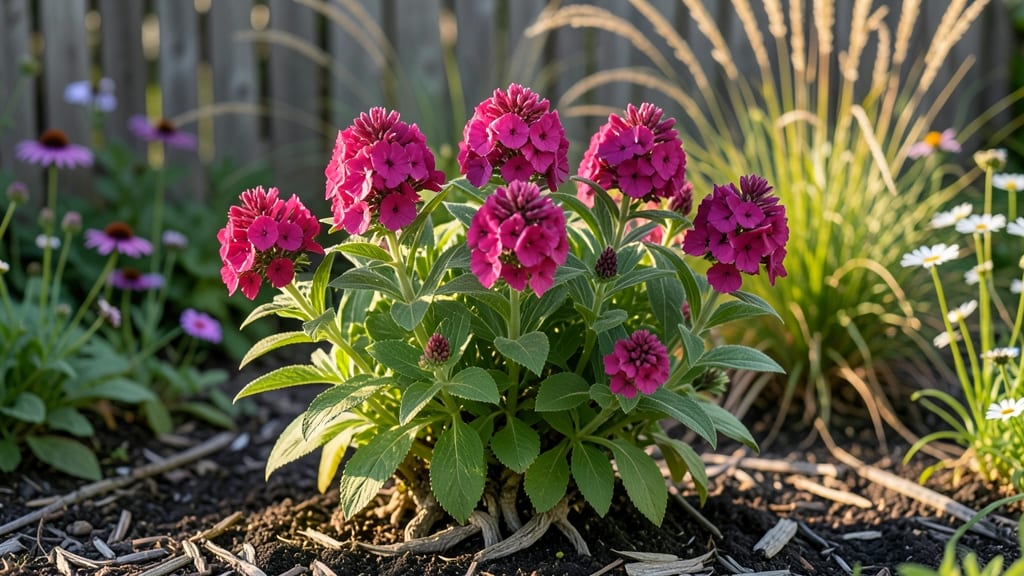
Garden phlox do bloom all summer under ideal conditions, but their flowering may shorten during heatwaves or prolonged dry spells. Regular deadheading encourages late-summer reblooms, while cooler-climate varieties like Phlox paniculata (zones 4-9) outperform heat-tolerant annuals such as Phlox drummondii (zones 7-11).
Most garden phlox varieties thrive when summer temperatures stay between 65°F and 75°F, which is why they often struggle in the peak heat of July and August. 🔥 The key to extending their bloom time lies in consistent moisture—drought stress forces plants to conserve energy for survival rather than producing flowers.
I’ve found that mulching around the base helps retain soil moisture while keeping roots cool, which can make a noticeable difference in bloom longevity. For varieties like Phlox subulata (moss phlox), the blooms may even persist into early fall if given proper care.
Another critical factor is deadheading—removing spent blooms redirects the plant’s energy toward new flower production. This technique works especially well for perennial phlox, which can reward gardeners with a second flush of blooms in late summer if kept up.
Annual varieties, however, typically follow a more predictable timeline, with Phlox drummondii offering vibrant but shorter-lived color in warmer climates.
💡 In This Article
- Phlox Bloom Duration by Type and Climate
- Pruning and Care for Extended Phlox Blooms
Phlox bloom duration by type and climate
The bloom duration of garden phlox varies dramatically based on species and climate. Phlox paniculata, the tall garden phlox, thrives in cooler zones (4-9) and typically blooms from mid to late summer, with peak flowering lasting 4-6 weeks under ideal conditions.
Its natural dormancy triggers in late summer when temperatures drop below 70°F, allowing it to conserve energy for next year’s growth.
In contrast, Phlox drummondii, the annual phlox, follows a more heat-tolerant schedule, blooming intensely for 6-8 weeks in summer heat zones (7-11) before fading as temperatures exceed 85°F.
What makes Phlox subulata (moss phlox) unique is its ability to bloom in two distinct waves—once in spring and again in early fall—thanks to its low-growing habit and preference for cooler temperatures. This variety often persists into September in milder climates, while its taller cousins may struggle past August.
The key difference lies in their root systems: subulata has shallow, fibrous roots that stay cooler in summer, while paniculata develops deeper roots that can overheat in prolonged heatwaves. 🌡️
Seasonal temperature shifts play a critical role in bloom timing. Perennial phlox like paniculata enter a semi-dormant state when nighttime temperatures drop below 55°F, which can trigger a late-summer rebloom if deadheaded.
Annual varieties, however, are more sensitive to heat stress—their flowering cycle is tightly linked to daylight hours, with blooms fading as days shorten after the summer solstice.
This is why gardeners in zone 10 often see drummondii peak in June and decline by August, while paniculata may linger longer in zone 5.
Climate also affects bloom intensity. In humid regions (like the Southeast), phlox may suffer from powdery mildew, which weakens plants and shortens flowering. Meanwhile, arid climates (like the Southwest) can cause drought stress, forcing phlox to prioritize survival over blooms.
The sweet spot for continuous summer flowering is 65-75°F daytime temperatures with consistent moisture—a balance many gardeners must actively create through irrigation and mulching.
Here’s how different phlox types compare in bloom duration:
- Phlox paniculata: 4-6 weeks peak bloom (zones 4-9), with potential late-summer rebloom if deadheaded
- Phlox drummondii: 6-8 weeks intense bloom (zones 7-11), fading as heat increases
- Phlox subulata: Spring + early fall blooms (zones 3-9), often lasting into September
Understanding these patterns helps gardeners choose the right variety for their climate and extend bloom time through targeted care. For example, in zone 8, pairing paniculata with afternoon shade and drummondii in containers with frequent watering can create a near-continuous summer display.
The secret lies in working with each species’ natural rhythms rather than forcing them into a single bloom schedule. 🌸