Blooming
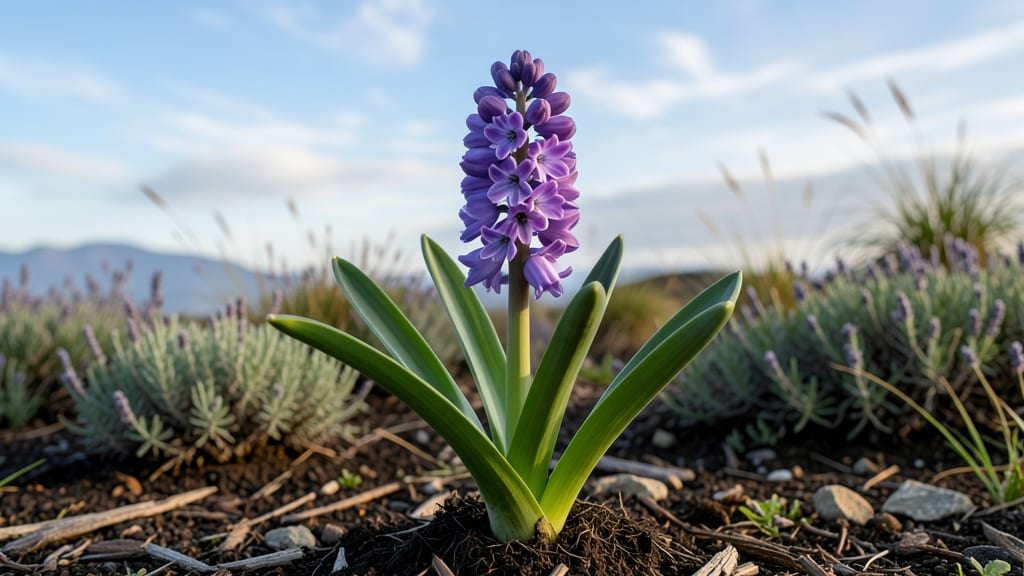
Hyacinths do not bloom all summer naturally—they produce a single, brief flowering period in spring, typically lasting 2-3 weeks. Reblooming requires specific care, such as proper dormancy, fertilization, and strategic planting techniques.
Hyacinths are spring's showstoppers, but their biology works against summer blooms. 🌸 These bulbs need a cool dormancy period to recharge, and without it, they won't produce flowers. The key is mimicking their natural cycle—planting in well-draining soil, providing shade during heatwaves, and fertilizing with phosphorus-rich nutrients after blooming.
I've seen gardeners extend the season by up to 6 weeks with these adjustments, though it's not guaranteed.
What most people miss is that hyacinths store energy in their bulbs during summer. Without proper care, that energy gets depleted, leaving nothing for future blooms. Think of it like a battery—you can't expect a second charge if you don't let it rest first.
The secret weapon? Deadheading (removing spent flowers) and reducing water after blooming to encourage bulb storage for next season.
💡 In This Article
- Why Hyacinths Bloom Only Once Per Season
- How to Encourage Reblooming Hyacinths for Extended Summer Color
Why hyacinths bloom only once per season
Hyacinths follow a strict biological clock tied to their native Mediterranean climate. Their flowering is triggered by a combination of cool temperatures (40-50°F) and long daylight exposure (12+ hours) during late winter to early spring.
Once they bloom, the bulbs enter a metabolic shift where they prioritize energy storage over flower production. This is why you'll see their vibrant blooms fade within 2-3 weeks—the plant has already allocated its resources for the season.
The real magic happens underground. Hyacinth bulbs store carbohydrates and nutrients in specialized cells during summer dormancy. These reserves fuel next year's bloom, but only if the bulb experiences a 6-8 week rest period at 60-70°F with minimal water.
Without this dormancy, the bulb becomes metabolically exhausted, unable to produce flowers. Think of it like a marathon runner: they can't perform without proper recovery time. 🌱
Light exposure plays a critical role too. Hyacinths are short-day plants, meaning they need decreasing daylight hours to trigger flowering. In summer, the 14+ hours of daylight suppress their natural blooming instincts.
Even if you try to force them, the bulbs won't respond until they detect the shorter days of autumn. This is why you'll rarely see hyacinths bloom naturally in summer gardens.
Temperature sensitivity explains why indoor hyacinths often fail to rebloom. Most home environments maintain 70-75°F year-round, which prevents the bulb from entering dormancy. The ideal reblooming scenario requires mimicking outdoor conditions: cool nights (50-55°F) and warm days (75-80°F) with proper light cycles.
Without these conditions, the bulb remains in a constant state of low-energy survival mode.
There's also a chemical process at play. After blooming, hyacinths produce ethylene gas, which signals the plant to stop flowering and focus on bulb development. This hormonal shift explains why cutting the stems doesn't encourage reblooming—it's a biological dead end.
The only way to reset this cycle is through proper dormancy and nutrient replenishment.
Consider this comparison: A hyacinth bulb is like a rechargeable battery. It has a limited number of full charges (typically 3-5 years of reliable blooming) before it needs to be replaced. Each summer without proper care drains that battery faster, reducing the chances of future blooms.
This is why gardeners often dig up and divide hyacinth bulbs every 3-4 years—to refresh their energy reserves.