
Blooming
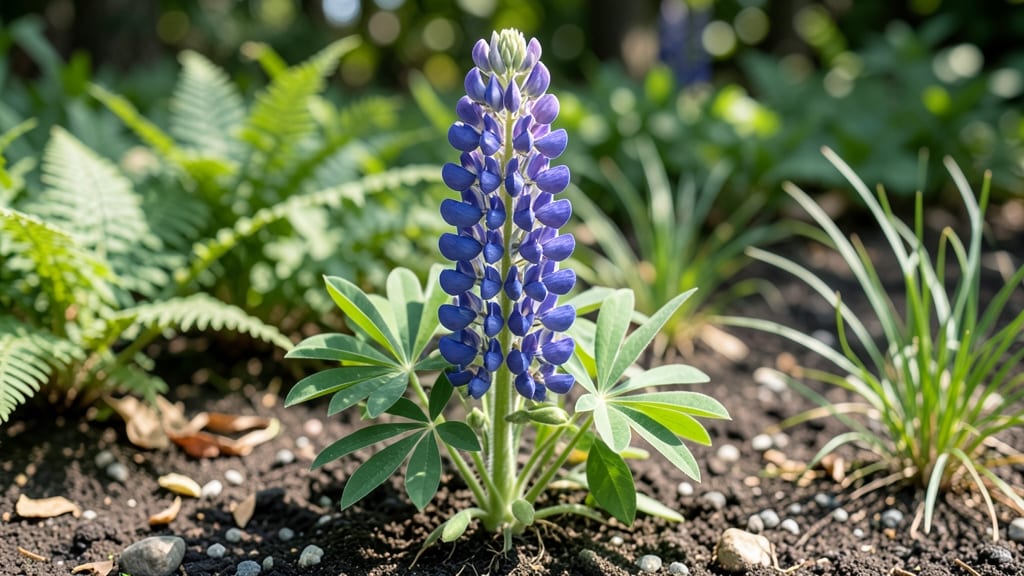
Lupines rarely bloom during their first year, as they prioritize building extensive root systems for future growth. Only dwarf varieties might produce a few flowers, while most plants wait until their second year—typically between late spring and summer—when conditions are ideal.
This delayed blooming isn't just patience—it's survival strategy. Lupines form nitrogen-fixing nodules in their roots, which enrich the soil for years to come. 🌱 In cooler climates (zones 4-7), they often wait until their second year, while warmer zones (8+) may see earlier but still minimal flowering.
If you're eager for color, focus on dwarf varieties like Lupinus nanus, which sometimes reward you with a few blooms in Year 1 if given well-draining soil and consistent moisture.
💡 In This Article
- Why Lupines Delay Blooming in Their First Season
- Fastest-Blooming Lupine Varieties for First-Year Flowers
Why lupines delay blooming in their first season
The first-year focus of lupines isn't laziness—it's a survival strategy rooted in their nitrogen-fixing superpower. These plants form specialized root nodules containing bacteria (Rhizobium) that convert atmospheric nitrogen into usable soil nutrients.
This process demands energy, which is why lupines prioritize developing a robust root system (often reaching 3-5 feet deep) before flowering. 🌱 Think of it like a marathon runner building endurance before racing: the roots store energy for future blooms.
Climate plays a critical role in this timing. In cooler zones (USDA 4-7), lupines typically wait until their second year because the shorter growing season limits their ability to establish roots and store energy simultaneously.
Warmer climates (zones 8+) may see earlier—but still minimal—flowering in Year 1, as the longer growing season allows for faster root development.
For example, Lupinus polyphyllus in California's Mediterranean climate might produce a few blooms in Year 1 if planted in early spring, while the same variety in Minnesota would likely wait until Year 2.
This delayed blooming also explains why lupines are such valuable garden allies. Their nitrogen-rich roots improve soil fertility for years, creating a legacy effect that benefits subsequent plantings.
The trade-off is patience: a well-established lupine can produce 2-3 feet tall flower spikes in Year 2, while a first-year plant might only reach 1-2 feet with minimal blooms. The energy invested in roots pays off in dramatic displays of color in subsequent seasons.
Light conditions further influence this process. Lupines thrive in full sun (6-8 hours daily) but can tolerate partial shade, though flowering may be delayed in shadier spots.
The key is ensuring consistent moisture during the first year—drought stress forces lupines to divert even more energy to survival rather than blooming. 💧 A properly watered lupine in ideal conditions might produce 10-20% of its potential blooms in Year 1, while stressed plants may flower even less.
Here's what's actually happening underground: The root nodules contain leghemoglobin, a protein that gives them their pinkish hue and facilitates nitrogen fixation. This process requires 15-20% of the plant's photosynthetic energy during the first year, leaving little for flower production.
The nodules can fix 50-300 pounds of nitrogen per acre annually—enough to reduce the need for synthetic fertilizers in garden beds.
For gardeners eager to see blooms sooner, focus on dwarf varieties like Lupinus nanus (which may produce a few flowers in Year 1) or provide optimal growing conditions: well-draining soil with a pH of 6.0-7.5, consistent moisture, and protection from strong winds that can damage tender young plants.
The wait is worth it—a mature lupine can produce 50-100 flowers per stem in its second or third year!