
Blooming
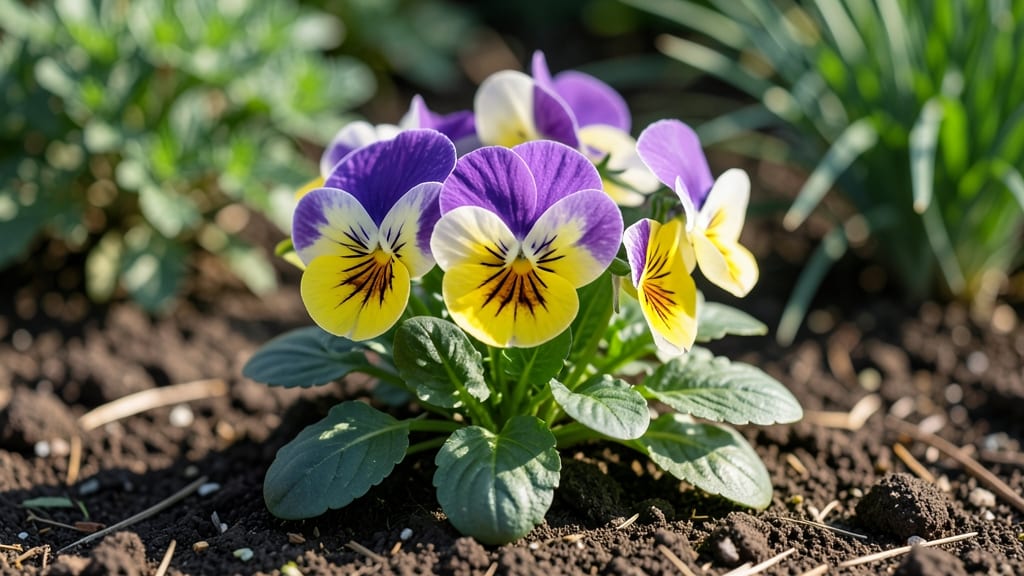
Pansies bloom all summer in cooler climates but often fade in extreme heat, requiring shade adjustments or replanting for sustained color. Heat-tolerant varieties like 'Ice Dance' or 'Majesty' maintain blooms longer than standard types.
Pansies thrive in spring and fall but face challenges when summer temperatures climb above 75°F.
The heat disrupts their natural flowering cycle, causing buds to drop or flowers to wilt within days. 🌸 For gardeners in hot zones, I recommend planting shade-loving varieties like 'Cool Wave' series, which handle afternoon sun better than traditional pansies.
These tougher types often reward you with blooms well into late summer if kept moist and protected from direct midday rays.
One key strategy is to replant heat-sensitive pansies in late summer with cooler-season varieties like violas, which share the pansy family's charm but tolerate warmth better. This staggered approach keeps your garden vibrant from spring through fall without gaps in color.
Just remember: even the hardiest pansies need consistent moisture to combat summer's drying effects.
💡 In This Article
- Why Pansies Struggle in Hot Summer Weather
- Best Pansy Varieties for Extended Summer Blooms
Why pansies struggle in hot summer weather
Pansies are cool-season plants that evolved to thrive in temperatures between 50°F and 75°F, making them perfect for spring and fall gardens. When summer heat exceeds 80°F, their natural flowering process gets disrupted.
The high temperatures accelerate the breakdown of florigen, a hormone responsible for flower development, causing buds to abort before opening. This is why you'll often see pansies producing fewer blooms or flowers that last only 2-3 days instead of the usual 5-7 days in cooler weather. 🌡️
The problem worsens when humidity drops below 50%, as pansies lose moisture through their leaves faster than they can absorb it through roots. Their waxy petal surfaces, which normally protect against rain, become less effective in dry heat, leading to wilting and sunburn on the outer petals.
Varieties with darker petals (like deep purples or blues) absorb more heat, making them particularly vulnerable. Even partial shade can help by reducing leaf temperatures by 10-15°F compared to full sun exposure.
Another critical factor is photoperiod sensitivity. Pansies are short-day plants, meaning they flower best when daylight hours shorten in spring and fall. During summer's long days (often exceeding 14 hours of light), their internal clocks get confused, triggering a survival response called bolting.
This premature seed production diverts energy away from flowers, causing plants to produce seed stalks instead of vibrant blooms. 🌱 What's fascinating is that this bolting response varies by variety—some modern hybrids like 'Ice Dance' have been bred to delay bolting by up to 4-6 weeks compared to traditional pansies.
Soil temperature also plays a hidden role. When ground temperatures exceed 70°F, beneficial soil microbes that help pansies absorb nutrients become less active. This nutrient deficiency manifests as yellowing leaves and stunted growth, further reducing the plant's ability to support flowering.
The combination of heat stress, moisture loss, and disrupted biological processes creates a perfect storm that explains why pansies often look exhausted by midsummer.
Interestingly, the timing of heat exposure matters too. Pansies planted in early summer may adapt slightly better than those introduced in late summer, as they have time to establish deeper root systems. However, even established plants will struggle if nighttime temperatures don't drop below 65°F.
This is why gardeners in hot climates often see pansies perform better in coastal areas with moderate nighttime cooling or in mountainous regions where days are hot but nights remain pleasant. 🌊
For those wondering why some pansies seem to handle heat better, the answer lies in selective breeding. Modern heat-tolerant varieties have been developed through repeated exposure to controlled heat stress, allowing only the most resilient plants to reproduce.
These varieties maintain their flowering potential by developing thicker cuticles (the plant's waxy skin) and more efficient water transport systems in their stems. The result? Flowers that last 20-30% longer in heat compared to traditional pansies.