
Blooming
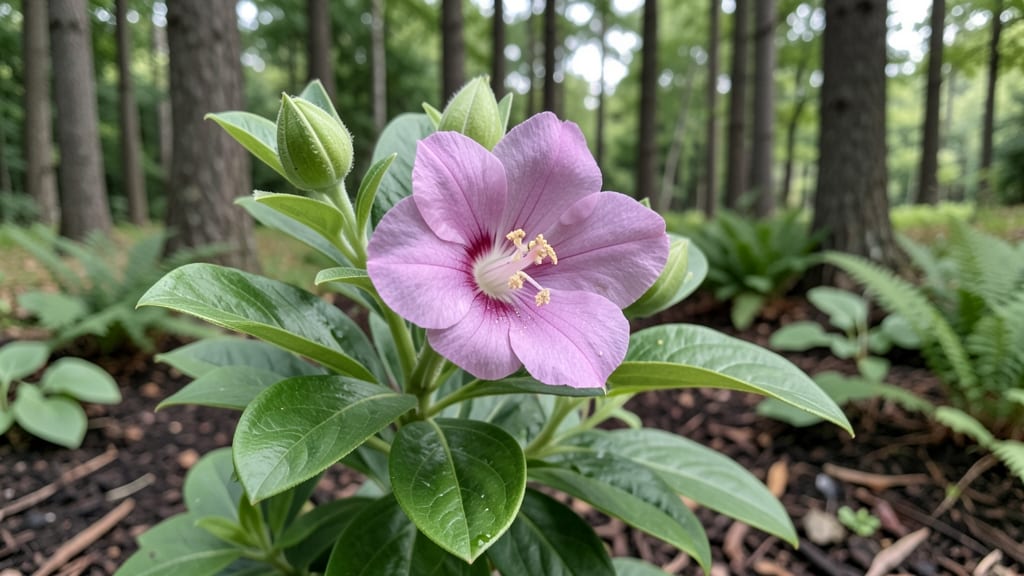
Rhododendrons do not bloom all summer—most varieties produce their vibrant flowers primarily in spring, with a typical bloom window of 4-6 weeks. Late-blooming types may extend into early summer, but heatwaves or dry conditions can cut flowering short. Your choice of cultivar and ongoing care directly impact how long those colorful displays last.
Rhododendrons are seasonal showstoppers, with their bloom cycles tightly linked to temperature and daylight patterns. 🌸 The spring flowering period is when most varieties reach their peak, though some late-season types like Rhododendron 'Roseum Elegans' may linger into June.
What's fascinating is how these plants evolved to bloom when conditions are optimal—cool spring nights followed by warming days trigger their flowering process.
This natural timing means you won't see continuous blooms throughout summer, but with proper care, you can coax your plants to perform at their best during their natural window.
One common misconception is that rhododendrons should bloom nonstop, but their biology works against that. The plants allocate energy between growth and flowering, and prolonged heat forces them into a dormant-like state to conserve moisture.
That's why your watering consistency and mulch layer become critical during hot spells—these practices help maintain root moisture and reduce stress on the plant. I've found that plants in partial shade bloom about 2 weeks longer than those in full sun, as the cooler conditions preserve their energy reserves.
💡 In This Article
- Rhododendron Bloom Seasons by Variety
- Extending Rhododendron Bloom Life with Proper Care
Rhododendron bloom seasons by variety
The timing of rhododendron blooms is governed by a complex interplay of temperature and daylight, with each species evolving to flower during its optimal window. Most rhododendrons follow a spring bloom cycle because cooler temperatures and increasing daylight trigger their florigen hormone production—the chemical signal that initiates flower buds.
For example, the Rhododendron catawbiense variety typically blooms between late April and early May in most temperate zones, while Rhododendron 'Nova Zembla' extends its display until mid-June due to its later genetic programming.
What's fascinating is how these plants use temperature as a cue. Rhododendrons often require a period of chilling temperatures (35-50°F) for 400-800 hours during winter to break dormancy and initiate flowering. This chilling requirement explains why some varieties in warmer climates may bloom later or less vigorously.
The Rhododendron azaleoid types, for instance, often bloom slightly later than their catawbiense cousins because they've adapted to slightly warmer spring conditions in their native habitats.
Daylight length also plays a crucial role. Most rhododendrons are long-day plants, meaning they respond to increasing daylight hours by producing flowers. However, once temperatures exceed 85°F for prolonged periods, many varieties enter a stress response that accelerates bloom decline.
This is why you'll often see rhododendrons in coastal areas (with cooler summer temperatures) maintain their flowers 1-2 weeks longer than those in inland heat zones.
Here's how different varieties compare in their bloom timing:
- Early bloomers: Rhododendron 'Cunningham's White' (March-April) – Thrives in cooler climates
- Mid-season: Rhododendron 'Elizabeth' (April-May) – Popular for its vibrant pink blooms
- Late bloomers: Rhododendron 'Roseum Elegans' (May-June) – Often called the "Queen of Late Rhododendrons"
The key takeaway is that while no rhododendron blooms all summer, some varieties like 'Roseum Elegans' push the envelope by extending their display into early summer.
The secret lies in their genetic adaptation to specific temperature ranges and daylight patterns—something gardeners can work with by selecting varieties suited to their local climate.
What most people don't realize is that even within the same species, individual plants can vary by 7-10 days in bloom timing based on their exact location and microclimate.
This variability is why garden centers often recommend planting multiple varieties—it creates a staggered bloom effect that extends your seasonal color display naturally.