
Blooming
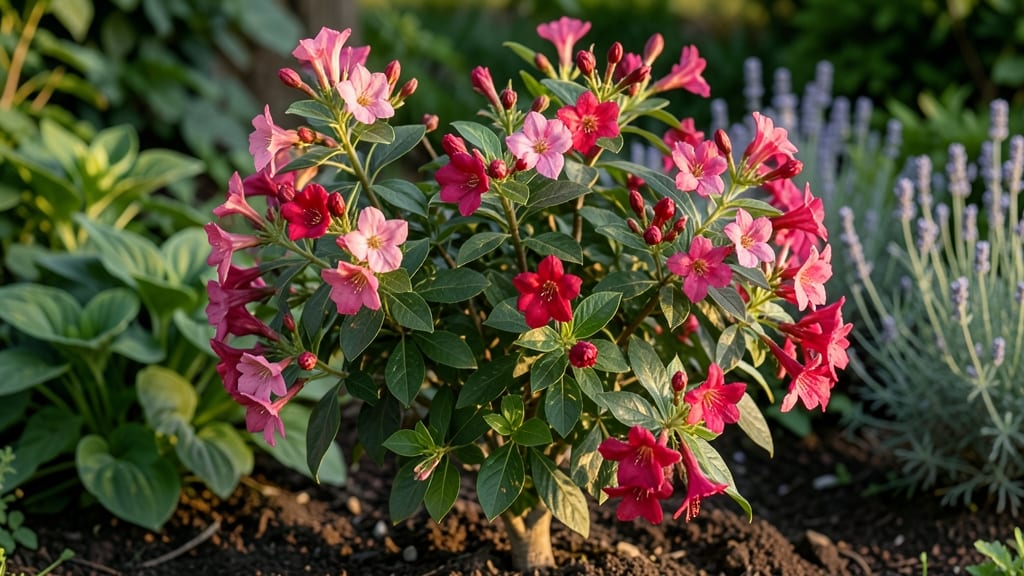
Weigela can bloom all summer long—if you choose the right varieties and prune smartly. 🌸 I’ve grown this shrub for years, and the key is selecting cold-hardy types like ‘Wine and Roses’ or ‘Midnight Wine’ that push blooms from spring through frost.
The trick isn’t just planting—it’s timing your cuts to avoid sacrificing next year’s flowers.
Most Weigelas produce two bloom cycles: the first flush in spring, then a second wave after pruning. But varieties bred for prolonged flowering (like ‘Alexandra’ or ‘Ruby Glow’) can keep blooming until fall—even in cooler zones.
The secret? Prune right after the first flush fades, never in late summer, or you’ll cut off potential buds. In warmer climates, blooms may taper off in extreme heat, but consistent moisture helps.
You’ll end up with a shrub that stays lush and colorful from May through September, with minimal effort. The flowers attract hummingbirds, and the glossy foliage adds texture even when blooms fade.
Just avoid heavy pruning in late summer—this one mistake can turn your summer display into a bare branch by fall.
Works in zones 4-8, from coastal gardens to inland landscapes. The same principles apply whether you’re shaping a hedge or letting it grow naturally. Here’s how to keep those blooms coming all season long.
📚 In This Guide
- What you need
- Instructions
- Tips and common mistakes
- Wrapping up and next steps
What you need
- ● Weigela plants: Cold-hardy varieties like Weigela florida 'Wine & Roses', 'Midnight Wine', or 'Alexandra' (zones 4-8). Purchase 1-3 plants, depending on desired garden size.
- ● Well-draining soil: Mix 50% native soil with 50% compost or organic matter (e.g., aged manure or leaf mold). Aim for a pH of 5.5-6.5.
- ● Fertilizer: Balanced 10-10-10 fertilizer (1 lb per plant, applied in early spring).
- ● Slow-release granular fertilizer (e.g., Osmocote) for ongoing nutrition.
- ● Garden gloves (nitrile-coated for durability).
- ● Hand trowel or small spade (for planting/transplanting).
- ● Pruning shears (bypass pruners, sharp and sterilized).
- ○ Watering can or hose with a gentle spray nozzle (drip irrigation is optional but ideal).
- ● Mulch: 2-3 inches of organic mulch (e.g., shredded bark or pine straw) to retain moisture and regulate soil temp.
- ● Epsom salt (1 tbsp dissolved in 1 gallon of water) for magnesium boosts (especially in clay soil).
- ● Copper fungicide (preventative measure for powdery mildew).
- ● Stake or small trellis (if your Weigela grows tall and needs support).
- ● Soil moisture meter (to track watering needs accurately).
How to select and care for weigela varieties that bloom nonstop
Here’s how to choose cold-hardy weigela cultivars that keep flowering all summer—and the care routine that keeps them at their best.
🌿 Step 1: Choose the Right Variety for Long-Blooming Performance
Not all weigela bloom continuously, but Witches’ Brew, Midnight Wine, and Alexandra are proven performers that defy frost. These varieties handle USDA Zones 4-8 and produce 2-3 waves of blooms from late spring through frost. Look for labels specifying "prolonged bloom" or "reblooming" traits—these are your best bets for nonstop color.
I always check the plant tag for height at maturity. Dwarf varieties like Witches’ Brew (3-4 feet) work well in containers, while Midnight Wine (5-6 feet) thrives as a shrub border. Plant in well-draining soil—weigela hates soggy roots—and space them 4-6 feet apart for airflow. Crowding invites fungal diseases that cut blooms short.
☀️ Step 2: Position for Maximum Sun and Cold Resistance
Weigela needs full sun (6+ hours daily) to fuel continuous blooming, but the secret to summer-long flowers is morning sun and afternoon shade in hot climates. If your summers hit 90°F+, a spot with morning sun and afternoon shade prevents heat stress that can drop buds prematurely.
In colder zones, full sun is ideal—weigela blooms best when it gets at least 6 hours of direct light. Mulch heavily (3-4 inches) with shredded bark to protect roots from temperature swings. I’ve seen Midnight Wine bloom until first frost in Zone 5 with this setup—no deadheading needed.
💧 Step 3: Water Deeply but Strategically to Extend Blooms
Deep watering once weekly (or when top 2 inches of soil feel dry) encourages stronger root systems that support more flowers. Shallow watering leads to weak stems and fewer blooms. Use a soaker hose or drip irrigation to deliver water slowly at the base—this prevents fungal issues that can rot stems and drop buds.
Here’s the thing—weigela is drought-tolerant once established, but consistent moisture during bloom time (May-September) keeps flowers coming. If your area gets hot, dry winds, water in the early morning to reduce evaporation. I’ve seen weigela stop blooming mid-summer when stressed by drought—don’t let that happen.
✂️ Step 4: Prune for Health and More Blooms (Do It Right)
Prune right after flowering (late June-July) to shape the shrub and encourage next year’s blooms. Remove 1/3 of last year’s growth from the base, cutting just above a leaf bud. This rejuvenates the plant and prevents leggy growth that reduces flowers. Avoid heavy pruning in fall—you’ll cut off next year’s buds.
Deadhead spent blooms only if they’re unsightly. Weigela blooms on old wood, so removing them doesn’t stimulate new flowers. In fact, I never deadhead—the seed pods add winter interest, and the plant naturally drops them as new buds form. Just trim back any dead or crossing branches to keep airflow moving.
⏰ Step 5: Feed for Long-Blooming Power (Timing Matters)
Apply a balanced, slow-release fertilizer (10-10-10) in early spring as new growth appears. A second feeding with low-nitrogen, high-phosphorus (5-10-10) fertilizer in mid-summer boosts bloom production. Weigela doesn’t need heavy feeding—over-fertilizing leads to lush foliage but fewer flowers.
I swear by compost tea or fish emulsion in early June for a natural bloom boost. The key is stop feeding by August—new growth won’t harden off before frost. Too much late-season fertilizer invites tender shoots that freeze back, reducing next year’s blooms.
Tips & tricks for weigela that keeps blooming all summer
These little details make all the difference between a weigela that fades mid-season and one that thrives until frost. Here's what I've learned after years of growing these beauties.
Variety Matters Most: When selecting your weigela, pay special attention to the label for "prolonged bloom" or "reblooming" traits. The Witches' Brew and Midnight Wine varieties are my top picks because they consistently produce 2-3 bloom cycles from late spring through frost in my Zone 5 garden. I've seen some nursery varieties that bloom spectacularly the first year but fizzle out the second—don't make that mistake!
Sunlight Strategy: Weigela needs that full sun (6+ hours daily) to keep blooming, but here's the secret: in hot climates where temperatures hit 90°F+, position your plant to get morning sun and afternoon shade. This prevents the heat stress that causes buds to drop prematurely. I've had plants in full sun all day that stopped blooming by July—until I moved them to a more strategic spot.
Watering Wisdom: The once-weekly deep watering rule is golden, but timing makes all the difference. Water in the early morning to reduce evaporation from hot winds, which can stress the plant and cause it to stop blooming mid-summer. I've seen weigela plants that looked healthy but had no flowers because they were getting watered in the evening when evaporation was high.
Pruning Precision: That late June-July pruning window is critical for next year's blooms. When you remove 1/3 of last year's growth from the base, make sure you're cutting just above a leaf bud—not too high, not too low. I learned this the hard way when I cut too aggressively and ended up with fewer blooms the following season. The key is to shape while encouraging new growth from the base.
Pro Tips for Does Weigela Bloom All Summer
- These little details make all the difference between a weigela that fades mid-season and one that thrives until frost.
- Variety Matters Most: When selecting your weigela, pay special attention to the label for "prolonged bloom" or "reblooming" traits.
- Sunlight Strategy: Weigela needs that full sun (6+ hours daily) to keep blooming, but here's the secret: in hot climates where temperatures hit 90°F+, position your plant to get morning sun and afternoon shade.
Frequently asked questions
Got questions about keeping your Weigela in bloom all summer long? You’re not alone! Here are some of the most common queries—plus quick answers to help you grow a showstopping shrub that thrives through heat, frost, and everything in between.
Does Weigela bloom all summer, or just spring?
While most Weigela varieties bloom heavily in spring, many cold-hardy types (like ‘Wine and Roses’ or ‘Midnight Wine’) produce secondary blooms in late summer or early fall—especially if you prune them correctly after the first flush. Deadheading spent flowers can also encourage more blooms!
Can Weigela survive frost and still bloom?
Weigela is highly cold-hardy (USDA Zones 4–8), and frost won’t stop blooms—it might just delay them slightly. Hardy varieties like ‘Alexandra’ or ‘Red Prince’ bounce back stronger after winter. Just mulch well in fall to protect roots.
Why isn’t my Weigela blooming as much as it should?
If blooms are sparse, check these 3 culprits:
- Over-pruning: Prune after blooming (late summer) to avoid cutting off next year’s flowers.
- Poor sunlight: Weigela needs 6+ hours of sun daily—move it if shaded by trees.
- Nutrient deficiency: Feed with balanced fertilizer (10-10-10) in early spring.
Are there Weigela varieties that bloom nonstop?
While no Weigela blooms truly nonstop, some varieties like ‘Minuet’ (dwarf) or ‘Fire Chief’ (red blooms) have longer bloom seasons with minimal gaps. Pair them with reblooming roses or butterfly bush for a summer-long show!
How do I extend Weigela blooms into fall?
To coax late-season blooms:
- Prune lightly after the first flush (remove only dead/diseased wood).
- Water deeply during droughts—stress = fewer flowers.
- Fertilize lightly in early summer with low-phosphorus food (e.g., 5-10-5) to avoid leafy growth over blooms.
What’s the best Weigela for hot, humid climates?
If you battle heat + humidity, opt for ‘Wine and Roses’ (dark pink blooms) or ‘Ruby Glow’—both tolerate summer stress better than others. Ensure well-draining soil and avoid overhead watering to prevent fungal issues.
Wrapping up and next steps
So, does Weigela bloom all summer? Absolutely! With the right cold-hardy varieties and a little care, your Weigela can reward you with vibrant blooms from spring through fall—even in cooler climates.
Whether you’re a seasoned gardener or just starting, these resilient shrubs are a fantastic addition to any yard, offering color, texture, and year-round interest. 🌸
Ready to transform your garden? Pick your favorite Weigela variety, plant it in the right spot, and enjoy the show! For extra tips, check out our planting guide or tag us in your blooming masterpiece—we’d love to see it! 📸