
Flowers
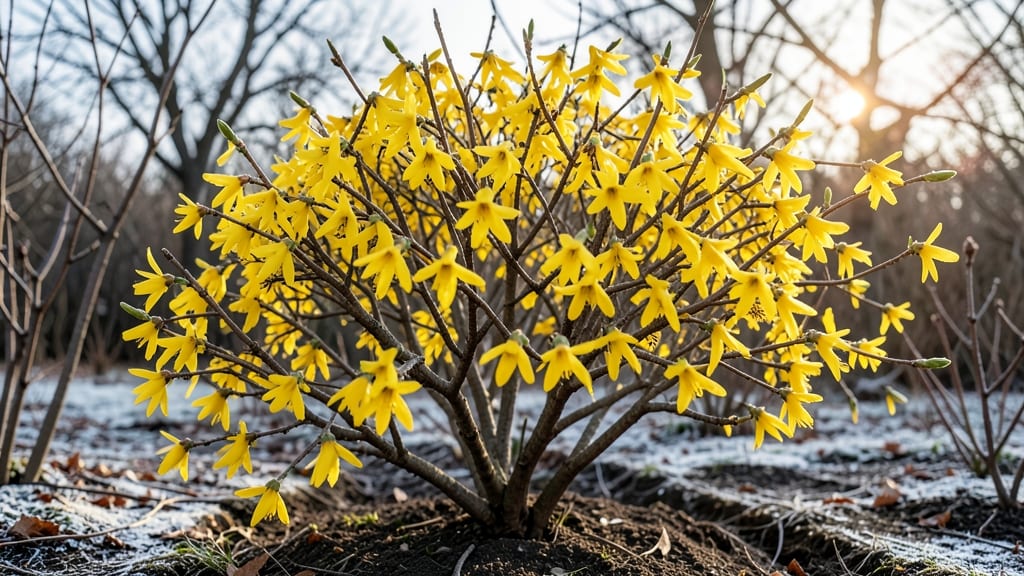
February may still feel like winter, but these 10 resilient flowers defy the cold with vibrant blooms. Discover cold-hardy species that thrive in late winter, perfect for gardeners eager to break up the gray season with color and life.
Winter Jasmine Fragrant Yellow Blooms
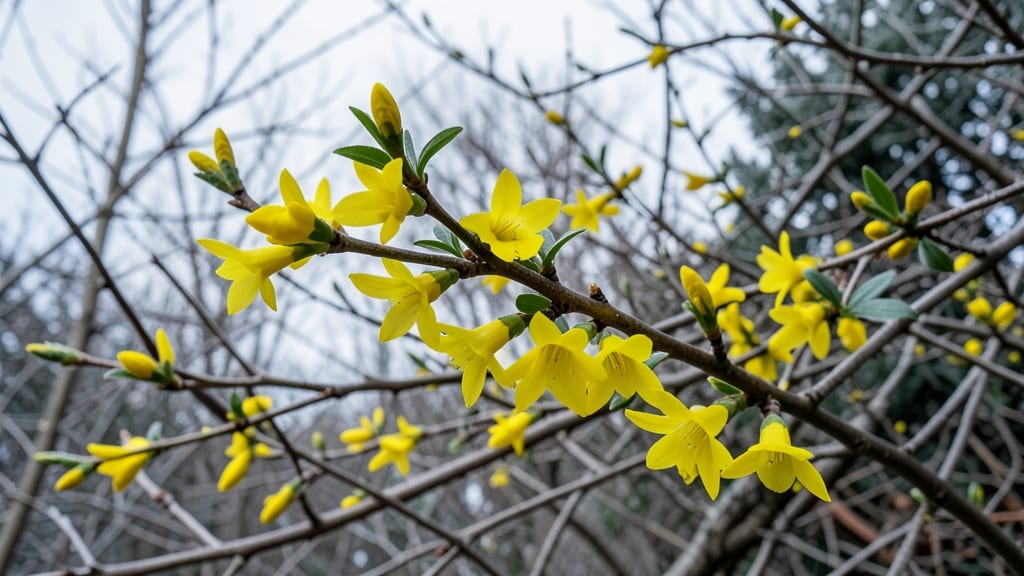
When you crave color and fragrance in the bleakest winter months, winter jasmine (Jasminum nudiflorum) delivers a cheerful surprise. This semi-evergreen climber bursts into bloom as early as late January, often before any other shrub in your garden, with bright yellow flowers that smell like spring.
Native to China, winter jasmine thrives in USDA zones 6-9 and handles temperatures down to -15°F, making it one of the most cold-hardy flowering climbers. Plant it in full sun to partial shade against a trellis, fence, or wall—it can climb up to 12 feet with minimal support. Prune back old stems after flowering to encourage fresh growth and more blooms next winter.
Perfect for urban gardeners with limited space or those who want to add vertical interest, winter jasmine’s fragrance and early blooms make it a standout for small yards, balconies, or even large containers. 🌱
Hellebore Evergreen Winter Roses
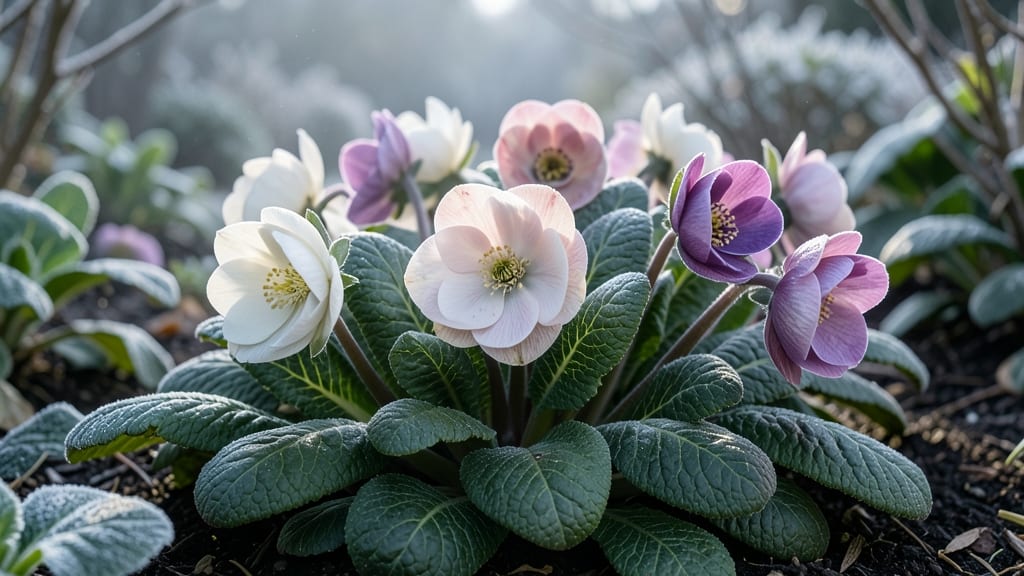
When your garden feels like a winter wasteland, hellebores (or "Christmas Roses") prove that beauty thrives even in frost. These evergreen perennials bloom from late winter through early spring, offering nodding flowers in shades of white, pink, and purple that seem to glow against dark foliage.
Unlike many February bloomers, hellebores thrive in shady spots where sunlight barely reaches—ideal for under trees or along north-facing walls. Their frost-resistant nature means they won’t skimp on blooms even after snowfall, and their glossy leaves provide year-round interest. For best results, plant in well-drained soil and water moderately; they hate soggy roots but reward patience with months of color.
Perfect for woodland gardeners or those with limited sun, hellebores bring elegance without demanding attention. Their delicate blooms also make stunning cut flowers that last weeks in vases. 🌷
Snowdrops Tiny White Harbingers
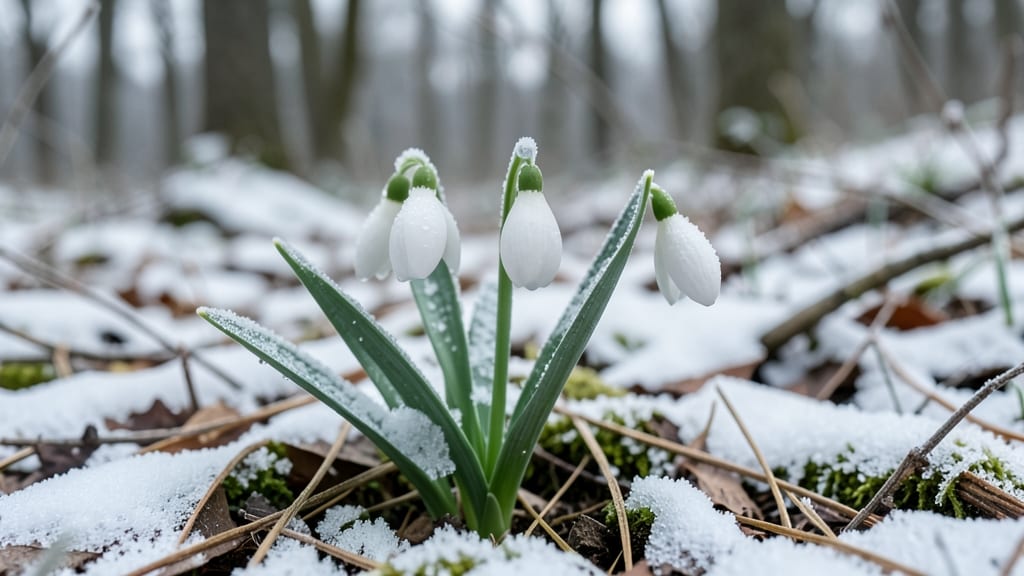
When winter feels endless, snowdrops (Galanthus) arrive like tiny messengers of spring, their delicate white bells peeking through snow and ice. These hardy perennials thrive in USDA Zones 3-8, making them one of the most resilient early bloomers for northern gardens.
Plant them in partial shade under trees or in lawns where grass won't outcompete their shallow roots. Snowdrops naturalize beautifully, multiplying each year to create lush colonies. Their frost tolerance means they often bloom even when snow still lingers, offering early nectar for bees and a splash of hope in gray February days.
Perfect for woodland gardeners or those with shady spots, snowdrops require almost no maintenance once established—just let them spread naturally. They’re the ultimate low-effort, high-reward plant for early spring. 🌱
Crocus Purple and Gold Spring Forerunners
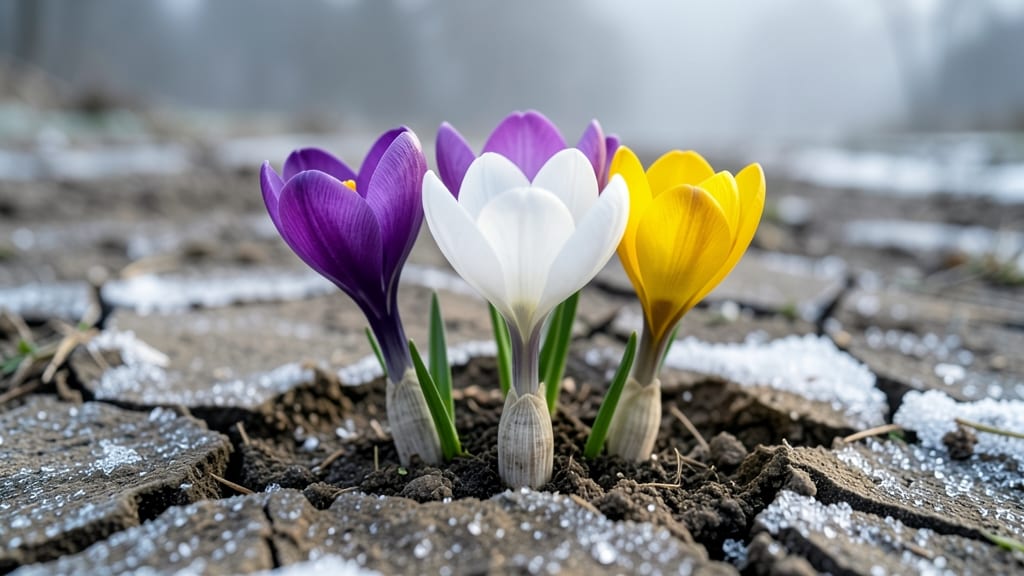
Tired of waiting for spring? Crocus bulbs burst through frozen ground as early as February, offering a splash of purple, white, or golden-yellow flowers that defy winter's chill. Their cheerful blooms appear before most perennials, making them the perfect early-season showstoppers.
These hardy bulbs thrive in full sun to partial shade and naturalize beautifully in lawns or meadows, multiplying each year. For indoor forcing, plant bulbs in pots 6-8 weeks before your target bloom date—place them in a cool, dark spot until shoots appear, then move to bright light. Their delicate petals also make stunning cut flowers that last up to a week in vases.
Perfect for beginners or busy gardeners, crocus requires minimal care—just well-draining soil and occasional division every few years. Their early blooms attract pollinators like bees, giving your garden a head start on spring activity. 🌻
Daffodils Classic February Brighteners
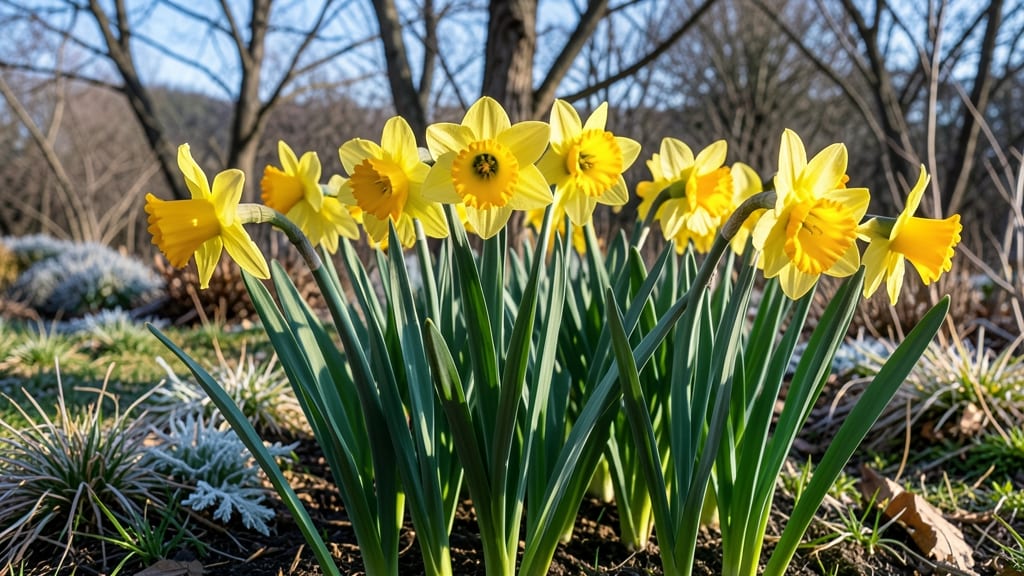
When February’s chill still lingers, daffodils burst onto the scene like nature’s own cheerleader, their bright blooms demanding attention. Unlike shade-loving winter flowers, these sun-worshippers thrive in full sun conditions, making them perfect for brightening south-facing borders or adding height to cutting gardens.
Plant daffodil bulbs in fall for a February surprise—choose varieties like 'Tête-à-Tête' for compact clusters or 'Ice Follies' for pure white blooms. They’re deer-resistant and drought-tolerant once established, requiring minimal care beyond occasional watering. The trumpet-shaped flowers attract early pollinators, giving bees a vital food source when little else is blooming.
These classic bloomers are ideal for gardeners who want instant impact with low maintenance. Whether you're a beginner or a seasoned gardener, daffodils deliver reliable color year after year. 🌻
Pansies Cold-Resistant Colorful Faces
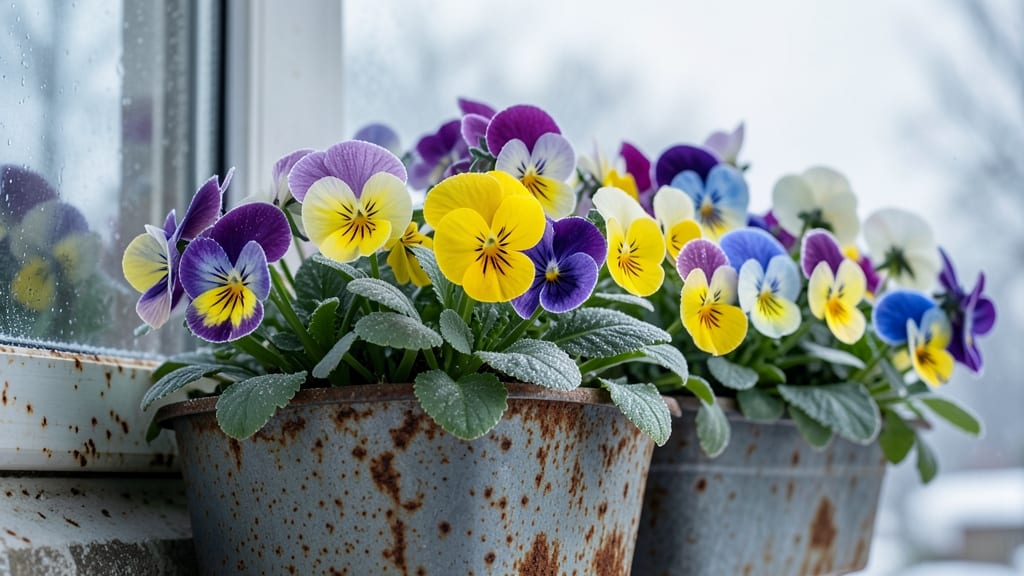
When February’s chill still lingers, pansies step in as your cheerful, frost-tolerant superstars—offering a rainbow of colors that refuse to quit. Unlike many winter flowers, these hardy annuals thrive in temperatures as low as 20°F, making them ideal for early-season containers or window boxes where other plants might falter.
Plant them in well-draining soil with 4-6 hours of sun daily, and they’ll reward you with continuous blooms from late winter through spring. Their unique "faces"—created by contrasting petal patterns—add whimsy to borders, while their compact size makes them perfect for small spaces. For extra protection, tuck them into cold frames or mulch heavily to extend their season.
Urban gardeners and balcony growers will love pansies for their versatility—just ensure they’re not waterlogged, and they’ll keep smiling through frost. 🌱
Mahonia Evergreen Shrub with Spiky Flowers
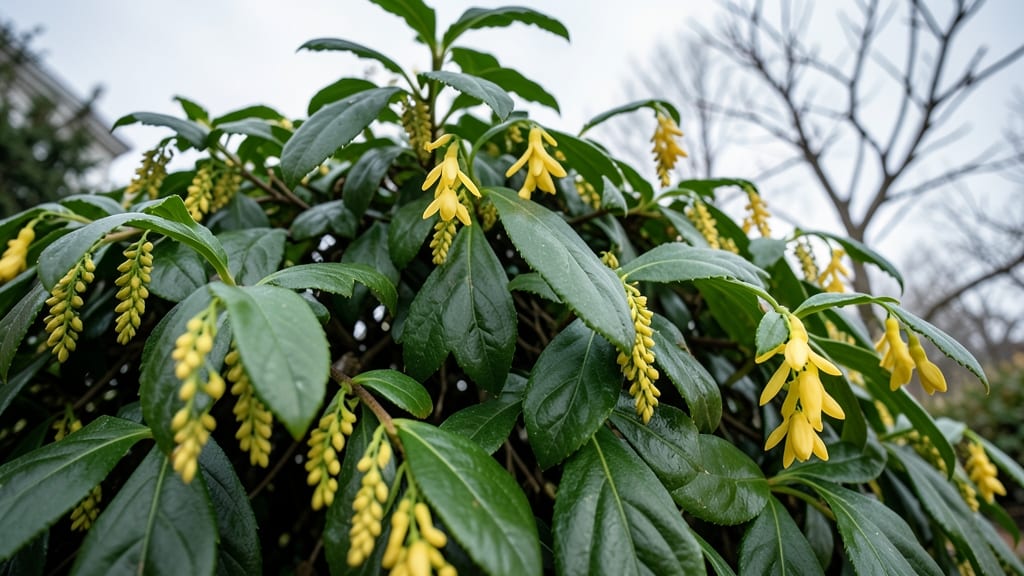
Looking for a year-round green statement that also delivers February blooms? Mahonia is your answer—a rugged evergreen shrub that punches above its weight with clusters of lily-of-the-valley-like yellow flowers that appear just as winter loosens its grip.
This drought-tolerant plant thrives in partial to full shade, making it perfect for understory planting, slopes, or as a low-maintenance hedge that requires minimal pruning. Its spiky, holly-like foliage adds texture, while the fragrant flowers attract pollinators early in the season. Once established, it handles poor soil and wild swings in temperature, from freezing winters to hot summers.
Urban gardeners and busy homeowners will love how mahonia stays lush without fuss—ideal for foundation plantings or filling tricky spots where other shrubs fail. Its late-winter flowers often persist into early spring, giving you extra color before spring bulbs take over. 🌟
Lentil Flowers Delicate Pink Clusters
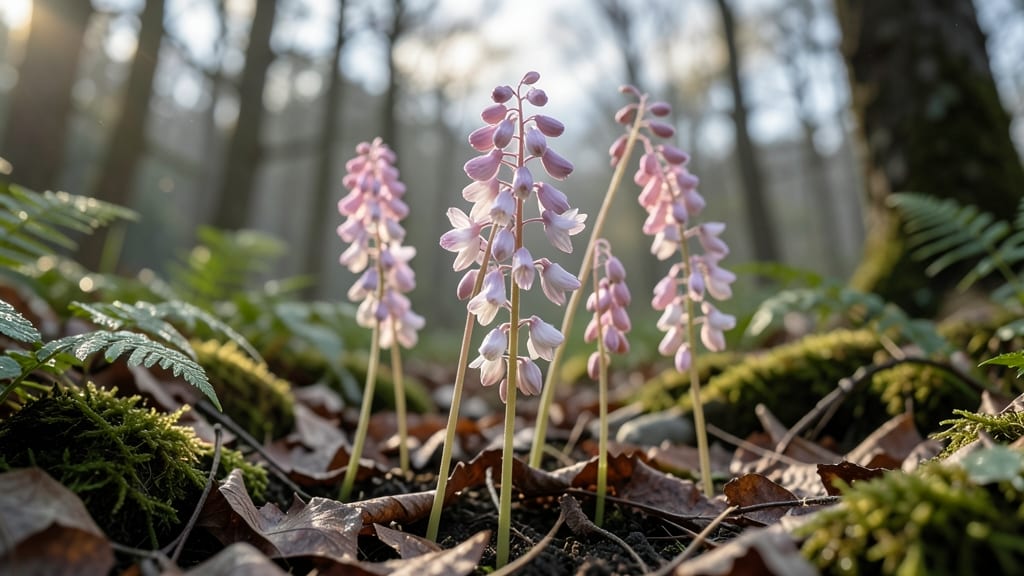
If you crave late-winter color but struggle with shady spots in your garden, lentil flowers (Lentil flowers—often confused with Lathyrus odoratus) are your secret weapon. These woodland natives produce delicate pink or white clusters that dance on wiry stems, adding ethereal beauty to forgotten corners where sunlight barely reaches.
Thriving in partial to full shade, they’re happiest in moist, well-drained soil—think under trees, along fences, or in cottage-style borders. Their fragrant blooms (yes, they smell sweet!) appear in late winter to early spring, making them a standout for pollinators like bees who emerge early. Deadhead spent flowers to encourage more blooms, and they’ll self-seed gently, creating naturalizing drifts over time.
Perfect for beginner gardeners or those with tricky shade spots, these perennials pair beautifully with hellebores and ferns for a lush, woodland-inspired look. Their low-maintenance nature and early blooms make them a must-have for breaking winter’s monotony. 💚
Primrose Soft Pastel Blooms
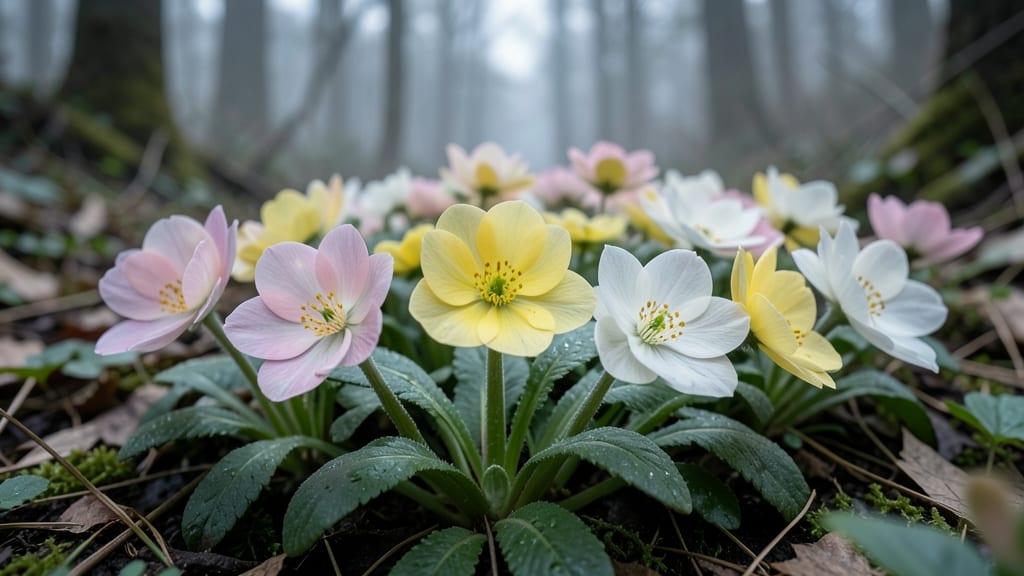
Looking for a February-friendly flower that adds soft elegance to shady spots? Primroses bring delicate pastel blooms in pink, yellow, and white, thriving in partial shade where other flowers struggle—perfect for understory planting or woodland gardens.
These low-growing perennials (6–12 inches tall) spread gently to create a lush carpet, making them ideal for rock gardens, borders, or ground cover. Plant them in well-drained, slightly acidic soil and water moderately—they’ll reward you with blooms from late winter through spring. Their fragrant flowers also attract early pollinators like bees, giving your garden a head start.
Primroses are a beginner-friendly choice, especially for gardeners with limited sun or shady corners. Their cheerful colors brighten early spring and pair beautifully with hellebores or snowdrops for a cohesive woodland look. 🌷
Forsythia Golden Shrub Canopy

When your garden still looks like a winter landscape, forsythia bursts onto the scene with its vibrant yellow blooms—often the first shrub to flower in late winter. This hardy, fast-growing plant transforms bare branches into a cheerful spectacle, making it a standout focal point in any landscape.
Forsythia thrives in full sun to partial shade and tolerates a wide range of soils, from clay to sandy. Prune immediately after flowering to maintain shape and encourage dense growth. Its arching branches can be trained into a small tree or left as a multi-stemmed shrub for a natural look. With minimal care, it delivers weeks of bright color before summer foliage even appears.
Perfect for urban gardeners with small spaces or those looking to add drama, forsythia’s early bloom signals spring’s arrival and lifts spirits on gray winter days. 🌻