How To
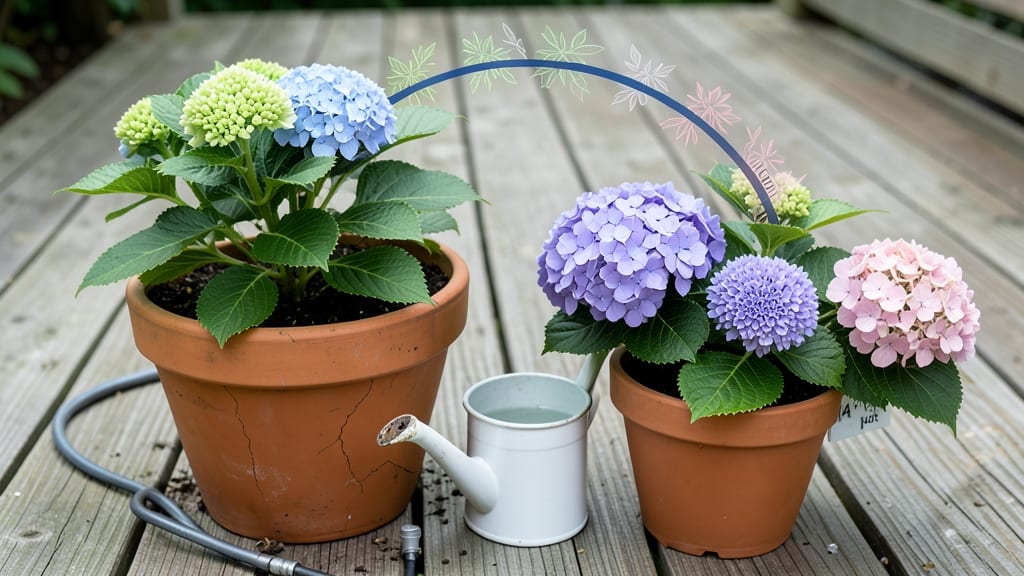
Hydrangeas in pots can bloom for 2 to 5 months, depending on variety, care, and growing conditions—far longer than most gardeners expect.
If you’ve ever watched your potted hydrangeas 🌸 put on a brilliant show only to fade after a few weeks, you’re not alone. The key to extending their bloom time lies in understanding their needs—like choosing the right variety, ensuring proper sunlight, and keeping the soil consistently moist without overwatering.
Reblooming types like mophead and lacecap hydrangeas thrive in containers when given the right balance of care, while once-blooming varieties may still surprise you with a shorter but vibrant display. With the right approach, your potted hydrangeas can keep blooming well into summer or even early fall.
In this guide, I’ll break down the factors that extend bloom time, common mistakes that shorten it, and actionable tips to keep your hydrangeas looking their best all season long.
Factors that extend hydrangea blooming time in pots
Potted hydrangeas can bloom for just 4-6 weeks if neglected, but with the right care, they’ll reward you with 3-5 months of vibrant flowers. The key lies in understanding how variety selection, light exposure, watering habits, and container size interact to influence bloom duration.
Unlike their in-ground cousins, container-grown hydrangeas face unique stressors—like root-bound conditions and drying soil—that can cut blooms short. Let’s break down the science-backed factors that turn a brief floral show into a season-long display.
First, the hydrangea variety you choose makes all the difference. Mophead types (like 'Endless Summer') are bred to rebloom on new wood, giving them a 3-4 month flowering window if cared for properly.
In contrast, lacecap varieties (such as 'Annabelle') typically bloom once on old wood for just 6-8 weeks unless you prune strategically. Even within reblooming types, color-changing varieties (like 'Nikko Blue') may require pH adjustments to maintain vibrancy, which can indirectly affect bloom longevity.
Your container’s sunlight exposure is the next critical factor. Hydrangeas thrive in partial shade—meaning 4-6 hours of morning sun followed by afternoon shade. Too much direct sun causes leaf scorch and bud drop, while too little light weakens stems, reducing bloom quantity.
I’ve found that east-facing patios or dappled shade under trees create the perfect balance. Pro tip: If your hydrangea’s leaves turn yellow or crispy, it’s a sign to adjust its light exposure immediately.
Watering consistency is where many gardeners fall short. Hydrangeas in pots dry out 3x faster than in-ground plants, so deep watering every 2-3 days in summer is non-negotiable. The secret? Water until 500-750ml drains from the bottom—this ensures roots stay hydrated without becoming waterlogged.
Overwatering triggers root rot, while underwatering causes buds to abort. I test soil moisture by sticking my finger 2 inches deep—if it’s dry, it’s time to water. A self-watering pot can be a game-changer for busy gardeners.
Container size directly impacts how long your hydrangea will bloom. A 15-20 gallon pot gives roots enough space to establish without becoming root-bound, which stresses the plant and shortens bloom time. Smaller pots (5-10 gallons) force hydrangeas to focus energy on survival rather than flowering.
I repot mine every 2-3 years to refresh soil and prevent roots from circling. Use a well-draining potting mix with perlite or orchid bark to improve aeration—this combo keeps roots happy and blooms abundant.
| Factor | Impact on Bloom Duration | Optimal Condition |
|---|---|---|
| Variety | Rebloomers (e.g., 'Endless Summer') = 3-5 months; once-bloomers = 6-8 weeks | Choose reblooming types for extended color |
| Sunlight | Too much sun = bud drop; too little = weak stems | 4-6 hours morning sun, afternoon shade |
| Watering | Inconsistent watering = bud abortion; overwatering = root rot | Deep watering every 2-3 days in summer |
| Container Size | Root-bound = stress; too large = wasted energy | 15-20 gallon pot for mature plants |
| Soil pH | Wrong pH = color shifts; extreme
Step-by-step care routine to prolong blooms for 3+ monthsTo coax your potted hydrangeas into blooming for three months or more, you’ll need a seasonal strategy that balances growth and flowering. The key lies in timing pruning, feeding strategically, and adjusting care as seasons shift. Unlike their in-ground cousins, container-grown hydrangeas face unique stress—like drying soil and limited root space—so we’ll tackle these challenges head-on with a month-by-month plan. Start by identifying your hydrangea type: mophead varieties (like 'Endless Summer') bloom on new wood, while lacecap types (like 'Limelight') bloom on old wood. This distinction changes everything—pruning wrong can mean no blooms at all. For reblooming types, we’ll focus on encouraging two flushes of flowers, while single-bloomers get a different approach to preserve next year’s buds.
🌱 Spring (March-May): Kickstart Growth
☀️ Summer (June-August): Sustain Blooms
🍂 Fall (September-November): Prepare for Dormancy
❄️ Winter (December-February): Rest & Reset
For container-specific tips, upgrade to a 15-gallon pot (minimum) with drainage holes—smaller pots = shorter bloom times. Mix 50% potting soil with 50% perlite to improve aeration, and top-dress with compost annually to replenish nutrients. Mulch with bark in summer to retain moisture and insulate roots in winter. Pro tip: Blue or pink blooms? Adjust soil pH—acidic (pH 5.5) for blue, alkaline (pH 6.5+) for pink. Test pH in early spring and amend with lime (to raise) or sulfur (to lower). A 3-month bloom extension starts with these seasonal tweaks, not just wishful thinking. 🌷 |