
How To
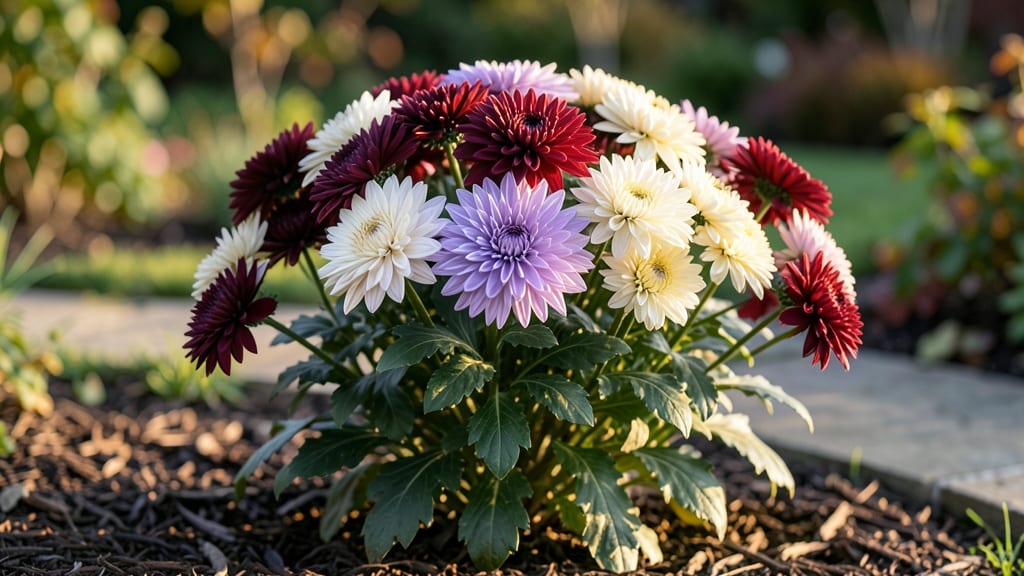
Mums bloom for 2 to 6 weeks per season, depending on variety—hardy garden mums last longer (4-6 weeks) in cooler climates, while store-bought varieties typically fade in 2-3 weeks. Proper light (6+ hours daily) and deadheading extend their lifespan significantly.
Chrysanthemums (or mums) show their vibrant colors in late summer through fall, but their bloom duration varies wildly based on where you grow them. 🌼 Hardy garden varieties planted in spring develop stronger root systems, letting them flower for 4-6 weeks once they open.
In contrast, those bought as potted plants in fall often only last 2-3 weeks because they're already stressed from being dug up. The key difference? Garden mums get months to establish roots before blooming, while store-bought ones are essentially "forced" to flower quickly under greenhouse conditions.
What's interesting is how temperature plays a role—cooler fall nights actually help extend blooms by slowing metabolism, while warm spells can cause them to fade faster. I've found that deadheading (removing spent blooms) can add 1-2 extra weeks of flowering by redirecting the plant's energy toward new buds.
For the longest displays, plant mums in full sun locations with well-draining soil and water consistently but avoid soggy roots.
💡 In This Article
- Mums Bloom Duration by Variety: Hardy vs. Market Types
- Maximizing Mum Bloom Time: Light, Care, and Deadheading Tips
Mums bloom duration by variety: hardy vs. market types
Hardy garden mums planted in spring develop deep root systems over 6-8 weeks before blooming, which directly translates to their 4-6 week flowering period.
These varieties, like 'Autumn Beauty' or 'Mediterranean Gold', thrive in cooler climates where temperatures drop to 50-60°F at night—this temperature range actually triggers longer bloom cycles by slowing metabolic processes. The root development gives them energy reserves to sustain flowering through fall's chill.
Market mums, on the other hand, are typically greenhouse-grown and forced to bloom prematurely. These 2-3 week displays happen because they're dug up and sold while still young, with minimal root systems. Varieties like 'Pompom' or 'Cushion' show their colors quickly but lack the stamina of garden types.
The trade-off? Market mums often bloom earlier (late September) while hardy types may wait until October when nights cool significantly. 🌼
Late-blooming varieties like 'Bonanza Series' can extend displays into November in cooler zones, while some garden mums even rebloom in spring if given proper winter care.
The key difference lies in their genetic programming—hardy types are bred for extended fall displays, while market varieties prioritize early color for seasonal sales. This explains why you'll see garden centers selling mums in August but they won't bloom until October.
Temperature thresholds matter more than you might think. Mums need daytime highs of 70-75°F but nighttime lows below 60°F to maintain blooms. When nights stay warm above 65°F, blooms fade faster because the plant's energy shifts to seed production instead of flower maintenance.
This is why southern gardeners often see shorter mum displays—heat accelerates their lifecycle.
Consider this comparison: A garden mum planted in May with 6+ hours of sun daily will typically bloom 10-12 weeks later for 4-6 weeks, while a market mum bought in September may only last 3 weeks before fading.
The root development window explains this perfectly—8 weeks of growth equals 2 extra weeks of blooms.
What's fascinating is how some hybrid varieties bridge this gap. 'Dynasity Series' mums, for example, combine hardy traits with market timing, giving 3-4 weeks of blooms when planted in late summer.
These represent the best of both worlds—longer displays without requiring spring planting. The secret lies in their intermediate root development that happens in 4-6 weeks rather than 8.