
How To
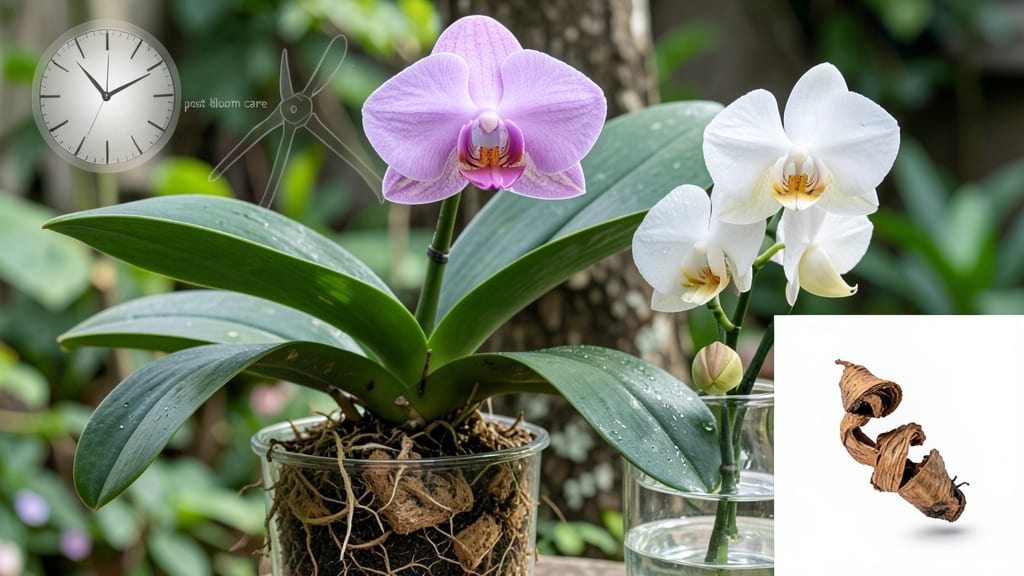
Orchids take anywhere from 6 months to a year to bloom again after their first cycle, but the timeline varies wildly by type and care routine.
Picture this: You’ve just admired your orchid’s stunning 🌸 display, only to watch it fade away—leaving you staring at bare stems and wondering if it’ll ever bloom again.
The truth is, orchids like Phalaenopsis (the most common type) often need bright light and a temperature shift to trigger reblooming, while others, like Cattleyas, might surprise you with a second flush in just 3 months if conditions are right.
What you don’t want is to wait forever. The key to speeding up that next bloom lies in light exposure, watering habits, and even fertilizer timing—all of which we’ll break down so you can coax your orchid back into action without the guesswork.
By the end, you’ll know exactly what to adjust—whether it’s moving your plant closer to a window, tweaking your watering schedule, or giving it a dormancy trick that works like magic for stubborn varieties.
Orchid bloom cycles by variety: Phalaenopsis, Cattleya, Dendrobium & more
Understanding orchid bloom cycles is key to keeping your plants happy and flowering regularly. Unlike seasonal plants, orchids have unique timelines based on their species and care conditions.
Some varieties bloom annually, while others surprise you with bi-annual or sporadic displays. Let’s explore the most popular types and what to expect from their reblooming schedules.
Your Phalaenopsis orchid—the classic "moth orchid"—typically takes 6 to 12 months to rebloom after its first flush. This variety is a favorite for beginners because it’s forgiving, but its cycle depends heavily on light exposure and temperature shifts.
Meanwhile, Cattleya orchids are more dramatic, often producing 3 to 6 blooms per spike and reblooming every 3 to 6 months with proper care.
Dendrobium orchids follow a slightly different rhythm, with many varieties needing a dormancy period to trigger new growth. Their blooming window is usually 3 to 6 months, but some species, like Dendrobium phalaenopsis hybrids, mimic Phalaenopsis cycles. Oncidium orchids, or "dancing lady orchids," are known for their 4 to 6-month blooming intervals and can produce dozens of tiny flowers per spike.
One of the biggest misconceptions about orchids is that they bloom only once per year. In reality, many varieties—especially Phalaenopsis and Cattleya—can rebloom multiple times annually if given the right conditions.
The key is mimicking their natural seasonal changes, like a 10–15°F temperature drop at night to signal blooming time. For Dendrobium orchids, a dormancy period with less water and cooler temps is essential to restart their growth cycle.
Light plays a critical role in orchid reblooming. Most varieties need 1000–2000 foot-candles of light—think of it as bright, indirect sunlight, like what you’d get near an east or west-facing window.
Too little light, and your orchid will stretch and fail to bloom; too much direct sun can scorch the leaves. Phalaenopsis orchids, for example, often produce new flower spikes when they receive consistent light exposure paired with a slight temperature shift.
Fertilizer also influences how quickly your orchid rebounds. During active growth phases, use a balanced 20-20-20 fertilizer at half-strength every 2–4 weeks. Switch to a high-phosphorus formula (like 10-30-20) when you notice new spikes forming to encourage blooming.
Avoid fertilizing during dormancy periods, as this can stress the plant and delay reblooming.
If your orchid isn’t reblooming on schedule, don’t panic. Factors like overwatering, poor drainage, or sudden environmental changes can disrupt cycles. For instance, Phalaenopsis orchids often need 1–2 weeks of slightly drier conditions after blooming to trigger new spikes.
Similarly, Cattleya orchids may take longer to rebloom if they’re not getting enough humidity or airflow. Adjusting these factors can often bring your orchid back on track.
Pro tip: Keep a gardening journal to track your orchid’s blooming history. Note when spikes appear, how long blooms last, and any care changes you make.
Over time, you’ll spot patterns—like how your Dendrobium orchid always blooms after a cool winter month or your Oncidium needs extra light in low-light winter months. This helps you fine-tune care for faster and more reliable reblooming.
Remember, orchids are not one-size-fits-all plants. While Phalaenopsis orchids
5 Key factors that speed up (or delay) your orchid’s next bloom
Understanding orchid reblooming starts with recognizing that these plants thrive on precise conditions. While some varieties bloom annually, others need specific triggers—like temperature shifts or light intensity—to encourage new flower spikes.
I’ve learned the hard way that skipping even one factor can delay blooms by months. Let’s break down what truly matters for your orchid’s next spectacular show.
First, light exposure is non-negotiable. Orchids need 1000–2000 foot-candles of bright, indirect light daily. Too little light means weak growth, while too much causes leaf burn. I place my Phalaenopsis orchids near east-facing windows where they get morning sun without harsh afternoon rays.
This balance is crucial—most growers overestimate their orchid’s tolerance for low light.
Here’s what you need to know to optimize your orchid’s reblooming cycle:
- 1
- 2
- 3
- 4
- 5
Let’s talk about temperature fluctuations next—this is where many gardeners miss the mark. Orchids like Cattleya and Dendrobium need a 10–15°F drop between day and night to trigger blooming. I use a small fan near my orchids at night to simulate cooler conditions without risking drafts.
Even a simple move to a cooler room can make the difference between a bloom in 6 months or 12.
Watering is another critical factor, but most people get it wrong. The soak-and-drain method is non-negotiable—orchid roots need oxygen, and soggy pots suffocate them. I fill my orchid’s tray with water for 10 minutes, then drain it completely.
This mimics their natural epiphytic habitat and prevents root rot, which can delay blooming by months. Pro tip: Use room-temperature water to avoid shocking the roots.
Finally, don’t underestimate the power of pruning. After your orchid’s blooms fade, trim the spike carefully. For Phalaenopsis, leave 1–2 inches above a node to encourage a new spike.
For Cattleya, you can cut it back further. I’ve seen orchids rebloom in as little as 3 months after proper pruning—it’s like hitting the reset button on their growth cycle.
By mastering these 5 key factors, you’ll turn your orchid from a one-time bloomer into a reliable, year-round showstopper. Start with light and temperature, then refine your watering and pruning—your next bloom could be just around the corner! 🌸