How To
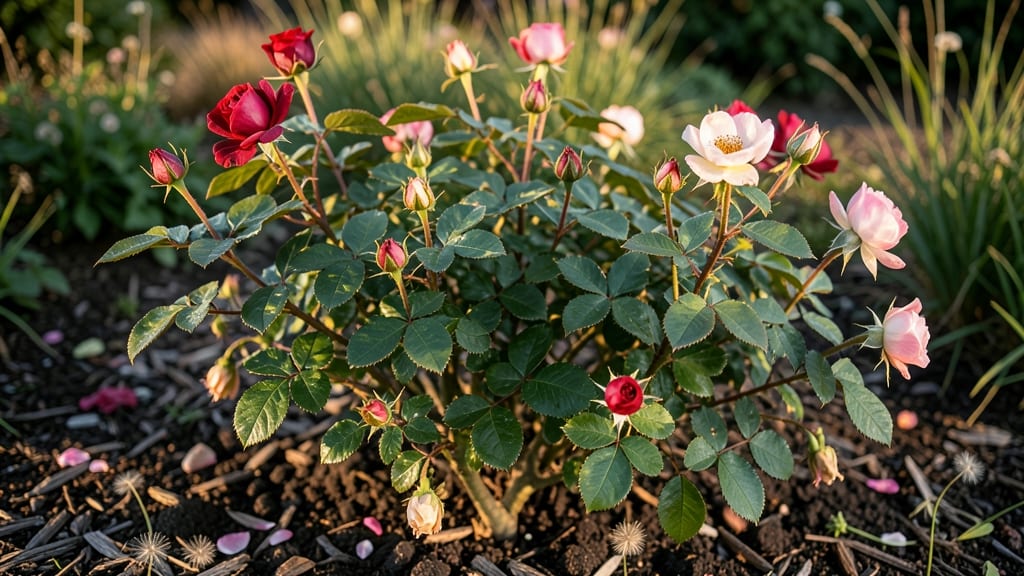
Roses typically bloom for 3 to 7 days per individual flower, but their overall flowering season varies dramatically by type—repeat-blooming varieties like hybrid teas produce fresh buds every 5 to 10 weeks, while heirloom roses may keep blooming continuously for weeks under perfect conditions.
Understanding bloom duration helps you plan your garden's visual timeline. 🌹 The 3-7 day window applies to each flower, but modern hybrid roses can produce multiple flushes throughout the growing season.
For example, a single climber rose might only bloom once, while a floribunda bush could have three full cycles in summer alone. Climate plays a huge role—cooler zones often see shorter bloom periods, while warmer regions may enjoy extended flowering if you provide consistent care like deadheading and proper watering.
What's fascinating is how genetics and environment interact. Some roses, like the David Austin English roses, are bred to bloom continuously, while others, such as tea roses, have one spectacular but shorter display.
In my experience, the key to maximizing bloom time is matching rose varieties to your local growing conditions and giving them the right support—whether that's afternoon shade in hot climates or winter protection in colder zones.
💡 In This Article
- Rose Bloom Duration by Variety: Single vs Repeat Flowering Types
- Climate Zones and Seasonal Care to Extend Rose Blooms
Rose bloom duration by variety: single vs repeat flowering types
The lifespan of a single rose bloom depends entirely on its genetic makeup. For example, climbing roses typically produce one spectacular flush of blooms that lasts 7-10 days per flower, but they may only rebloom once or twice per season.
In contrast, hybrid teas—the classic cut-flower roses—have individual blooms that last 5-7 days but can produce new buds every 5-8 weeks throughout the growing season.
This genetic difference explains why a single climber rose might give you one stunning show, while a well-maintained hybrid tea bush could provide continuous color from spring to frost.
The science behind this lies in their reproductive strategies. Single-blooming varieties like old garden roses (e.g., Rosa gallica) focus all their energy on one prolific bloom cycle, often 3-5 weeks long, because their survival depends on seed production from that one event.
Repeat-bloomers, however, have been selectively bred to produce multiple cycles by redirecting energy away from seed production and toward new buds. For instance, floribundas can produce 50-100 blooms per stem, each lasting 5-6 days, but they'll keep sending out new growth waves if you deadhead regularly.
Pruning plays a crucial role in extending bloom duration for repeat-flowering varieties. When you prune back 1/3 to 1/2 of the plant's height in early spring, you stimulate new growth from the base, which leads to more buds.
The key timing is right after the last hard frost but before new shoots appear—this gives the plant energy to focus on flower production rather than leaf growth.
I've seen grandifloras (a hybrid between hybrid teas and floribundas) produce three full bloom cycles in a single season when pruned correctly and fertilized with high-phosphorus blooming formulas.
Environmental factors also interact with genetics to determine bloom duration. For example, tea roses (like Louis Philippe) naturally bloom once per season in cooler climates but may produce a second flush if summer temperatures stay mild.
In warmer zones (USDA 9-10), these same roses might bloom continuously if given afternoon shade to prevent heat stress. The petal lifespan itself is influenced by temperature—roses in 75-80°F conditions typically last 1-2 days longer than those in 90°F+ heat, where they wilt faster due to increased transpiration.
Consider these variety-specific bloom patterns when planning your garden:
- Single-bloomers: 1-2 bloom cycles/year (e.g., climbers, shrub roses)
- Repeat-bloomers: 3-5 cycles/year (e.g., hybrid teas, floribundas)
- Old-garden roses: Continuous blooming possible in ideal conditions (e.g., David Austin English roses)
- Species roses: 1-2 weeks of intense blooming (e.g., Rosa rugosa)
What most gardeners don't realize is that even within a variety, individual blooms can vary by 2-3 days depending on their position on the stem. Buds closer to the center of the plant often open 1-2 days earlier than those at the tips, creating a beautiful staggered display.
This natural progression is why rose gardens look so lush—they're not all blooming at once, but in carefully timed waves. 🌸