
Blooming
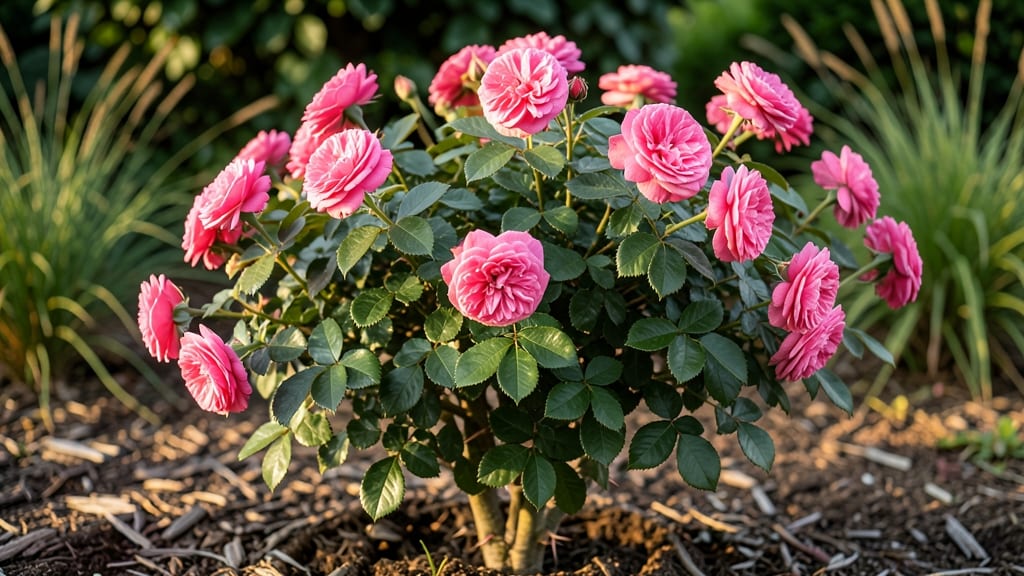
Understanding the knockout roses bloom cycle 🌹 is your secret weapon for a garden that bursts into color from June through October without skipping a beat.
If you’ve ever wondered why your knockout roses refuse to bloom reliably—or how to coax them back to life after winter—understanding their heat-triggered bloom cycle is the key to a show-stopping garden every season.
These roses don’t follow the typical once-a-year bloom schedule. Instead, they respond to temperature shifts, with consistent blooms when daytime highs hit 60°F or warmer for at least a few weeks. But frost, over-pruning, or uneven care can throw off the whole cycle.
In this guide, I’ll break down the four heat-triggered stages of their bloom cycle, share frost-recovery hacks, and reveal the three most common mistakes that silence those flowers—so you can enjoy nonstop blooms all season long.
The 4 heat-triggered stages of knockout roses bloom cycle explained
If your knockout roses seem to bloom erratically, the culprit is likely their heat-triggered growth cycle. Unlike traditional roses, these hardy shrubs respond directly to temperature shifts—especially when daily highs exceed 60°F.
Understanding their four distinct bloom stages lets you time care tasks perfectly for maximum continuous flowering from spring through fall.
Each stage comes with visual cues and temperature triggers that control when buds form, blooms open, and plants prepare for dormancy. For example, buds only swell when soil temps hit 55°F+, while peak blooms thrive at 70-85°F.
Miss these thresholds, and you’ll end up with sparse or delayed flowers—even if you’re watering and fertilizing correctly.
| Stage | Temperature Trigger | Visual Cues | Care Action |
|---|---|---|---|
| Pre-Bloom | 55°F+ soil temp | Bud swelling, pink/red tips | Light feed, deep water |
| Peak Bloom | 70-85°F air temp | Fully open blooms, glossy leaves | Remove spent blooms, mulch |
| Post-Bloom | 60°F+ with cooling nights | Browned petals, new buds forming | Light prune, reduce water |
| Dormancy | Below 40°F consistently | Dropped leaves, bare stems | Heavy prune, no fertilizer |
The first stage, pre-bloom, kicks off when soil temperatures climb above 55°F—typically in late spring for most USDA zones. You’ll spot buds swelling along the stems, often with a pink or red tip as they prepare to open.
This is your signal to feed lightly with a balanced fertilizer (10-10-10) and water deeply to encourage root growth without shocking the plant.
During peak bloom—when air temps hover between 70-85°F—your knockout roses will reward you with nonstop blooms if you’ve maintained proper care. Leaves stay glossy and vibrant, and stems remain sturdy.
The key here is deadheading (removing spent blooms) to redirect energy into new flowers. I like to do this every 3-4 days during hot spells to keep the cycle going.
After peak bloom, the post-bloom stage begins as nights cool slightly (though days stay above 60°F). You’ll notice browned petals lingering on stems while new buds form at the base.
This is the perfect time for light pruning—cutting back any dead or crossing branches while leaving the new growth intact. Reduce watering slightly to every 7-10 days to prevent root rot.
The final stage, dormancy, occurs when temps drop below 40°F consistently. Your roses will shed leaves and appear bare and dormant, but don’t panic—this is normal!
The roots stay alive underground, storing energy for next year. Heavy pruning (cutting back 1/3 of the plant) in late winter is crucial, but wait until after the last frost to avoid damaging new growth.
Pro tip: Use a soil thermometer to track temps—this helps you predict bloom stages 2-3 weeks in advance. For example, if soil hits 55°F in early May, expect buds to swell by mid-May. Timing your fertilizer applications around these cues maximizes blooms and minimizes waste.
One common mistake I see is over-fertilizing during dormancy, which can force weak growth that dies in frost. Always skip fertilizer in fall and winter—your roses are resting, not growing.
Instead, focus on mulching with 2-3 inches of organic matter to insulate roots and protect against temperature fluctuations.
By mastering these four stages, you’ll transform your knockout roses into a year-round blooming powerhouse. The secret? Paying attention to temperature triggers and adjusting your care routine accordingly. With this knowledge, even first-time gardeners can achieve the same dramatic results as seasoned pros!
Frost recovery hacks: how to restart knockout roses after winter stress
After a harsh winter, your knockout roses may look dormant or damaged, but don't give up hope. These resilient shrubs often bounce back with the right care. The key is understanding their frost recovery triggers—like soil temperature, pruning timing, and nutrient signals—that wake them from dormancy.
Most knockout roses enter dormancy when temperatures drop below 32°F (0°C), but they can survive even -20°F (-29°C) in zones 5-9. The real challenge is restarting their growth cycle safely after frost damage. Start by checking for new shoots or leaf buds—these are your first signs of life.
Late Frost Risk: The Critical 3-Week Window
Pruning too early (before May 15 in most zones) exposes new growth to late frosts, which can kill tender shoots. Wait until after your last frost date—or protect new growth with burlap wraps if you must prune sooner.
🌱 Pro Tip: Use a soil thermometer—roots need 50°F (10°C)+ to activate growth.
Once you've confirmed the frost danger has passed, start with light pruning to remove dead or damaged wood. Cut back 1/3 of the plant's height at a 45-degree angle, just above an outward-facing bud. This encourages airflow and reduces disease risk while stimulating new growth.
Next, focus on soil warming and nutrient triggers. Apply a 2-inch layer of compost around the base to insulate roots and add organic matter. Then, use a balanced fertilizer (10-10-10) in early spring—this signals the plant to shift from dormancy to active growth.
Watch for visual cues like leaf unfurling or tiny green shoots emerging from the base. These indicate the plant is waking up. If you see yellowing leaves instead, it may signal overwatering or nutrient burn—adjust your care immediately.
For extra insurance, use black plastic mulch or row covers to warm the soil by 5-10°F. This jumpstarts root activity and speeds up recovery. With patience and the right triggers, your knockout roses will reward you with continuous blooms from summer through fall.