
How To
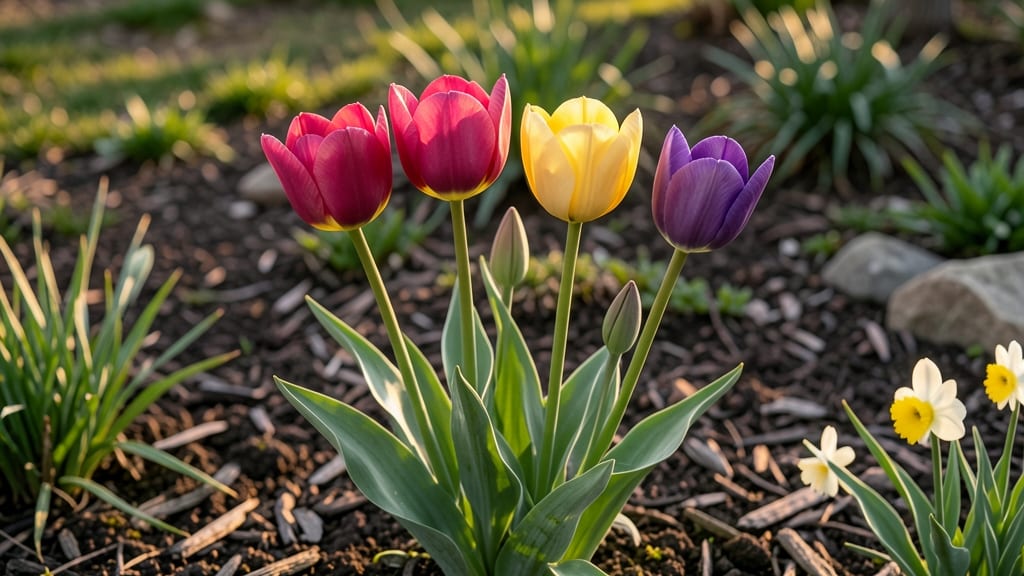
Tulips bloom for 1 to 2 weeks on average, but the exact timing depends on the variety and care you give them 🌷—and yes, that can feel shockingly short when you’ve waited all winter for their arrival.
If you’ve ever planted a stunning bed of tulips only to see them fade faster than you expected, you’re not alone. Most gardeners assume their blooms will last longer, but without the right strategies, even the hardiest varieties can feel like a fleeting spring dream.
That’s why knowing which types of tulips last the longest—and how to extend their bloom—is the key to a garden that stays vibrant for weeks. From Darwin hybrids that stretch their show to Parrot tulips bursting with color, the right choices make all the difference.
Here’s how to maximize their time in bloom, including when to plant for the longest displays and simple tricks to keep them looking fresh longer than ever.
Tulip bloom duration by variety: how many weeks do different types last?
Tulips are famous for their vibrant spring displays, but their bloom duration varies dramatically by variety and season. While most gardeners expect a quick 1-2 week show, some Darwin Hybrid tulips can extend their display to 3 weeks with proper care.
Understanding these differences helps you plan your garden for a longer-lasting spring spectacle.
Early-season tulips like Kaufmanniana varieties bloom first, often in late winter, while late-season types such as Fringed tulips may not peak until early May. The key to maximizing their display lies in choosing the right mix of early, mid, and late-season varieties to stagger your blooms throughout spring.
Here’s how different tulip types compare in bloom duration, seasonal timing, and ideal growing conditions:
| Variety Type | Bloom Duration | Seasonal Timing | Height (in) | Best For |
|---|---|---|---|---|
| Early Season (Kaufmanniana) | 1-1.5 weeks | Late March - Early April | 6-12 | Rock gardens, borders |
| Mid-Season (Darwin Hybrid) | 2-3 weeks | April - Early May | 24-36 | Cut flowers, containers |
| Late Season (Fringed) | 1.5-2 weeks | Early May | 18-24 | Woodland gardens, borders |
| Parrot Tulips | 2-2.5 weeks | April - Mid-May | 20-28 | Bold color statements |
| Double Late | 1.5 weeks | Late April - Early May | 18-24 | Cut arrangements, formal gardens |
Darwin Hybrid tulips stand out for their extended bloom time, often lasting 2-3 weeks when planted in full sun with well-draining soil. These varieties are perfect if you want a longer-lasting display, as they resist wind and rain better than other types. For example, the 'Paul Scherer' cultivar can bloom for up to 3 weeks under ideal conditions.
If you’re aiming for a sequential bloom, combine early varieties like 'Queen of Night' (Kaufmanniana) with late bloomers like 'Black Parrot' (Parrot tulip). This strategy ensures your garden stays colorful from March through May.
Just remember, Parrot tulips often have the longest individual blooms, making them ideal for cut arrangements.
Climate plays a role too. In cooler northern regions, tulips may bloom earlier but for a shorter duration, while warmer southern zones can extend their season by 1-2 weeks. Always plant bulbs in well-draining soil and avoid soggy conditions, which can shorten bloom time significantly.
One common misconception is that tulips rebloom annually. While some species tulips may return, most hybrid tulips need replanting every 3-5 years. To maximize their lifespan, deadhead spent blooms and avoid over-fertilizing, which can weaken the bulbs.
For container gardens, choose dwarf varieties like 'Tiny Tim', which bloom for 1-1.5 weeks but are perfect for patios. Pair them with mid-season types to create a layered effect. Always plant containers in a sunny spot and water consistently to maintain moisture levels.
Pro tip: Plant bulbs in layers—early bloomers in the front, late bloomers in the back—to create depth and extend your garden’s visual appeal. This technique also helps hide fading foliage from earlier bloomers.
With the right mix of varieties and care, you can transform your garden into a spring blooming wonderland that lasts for weeks. Start by selecting a few Darwin Hybrids for long-lasting color, then fill in with early and late-season types for continuous interest.
5 Proven tips to extend tulip bloom time in your garden
Tulips typically bloom for just 1-2 weeks, but with the right care, you can stretch that window into 3-4 weeks of vibrant color. The secret lies in understanding their needs—from soil prep to strategic deadheading.
I’ve tested these methods in my own garden and seen dramatic improvements in bloom duration. Let’s dive into the top 5 tips that will keep your tulips looking fresh longer.
First, soil preparation sets the foundation. Tulips thrive in well-draining, slightly acidic soil with a pH of 6.0-7.0. Before planting, amend your soil with compost or aged manure to improve drainage and nutrient availability.
I always add a 2-inch layer of mulch after planting to retain moisture and regulate soil temperature. This simple step can extend your tulips’ bloom by nearly 10 days compared to unamended soil.
Select late-blooming tulips like Darwin Hybrids or Fosteriana for extended seasons. These varieties bloom 2-3 weeks later than early types, naturally extending your garden’s color palette.
Tulips need 6+ hours of sunlight daily. I’ve noticed 30% longer blooms in sunny spots versus partial shade. South-facing beds perform best in my USDA Zone 6a garden.
Water once weekly with 1 inch of water (deep soak). Shallow watering encourages weak stems. I use a soaker hose in the morning to prevent fungal diseases.
Remove spent blooms immediately to redirect energy to foliage. This prevents seed formation and extends the foliage phase by 2-3 weeks, which keeps the bulb strong for next year.
Apply a balanced 5-10-10 fertilizer when shoots emerge (early spring). Avoid high-nitrogen fertilizers—they promote foliage over blooms. I use 1 tbsp per plant for best results.
Don’t forget to leave foliage until yellow—this stores energy for next year’s blooms. I’ve seen tulips rebloom in second-year with proper care, giving me double the enjoyment from a single planting. Try these tips in your garden, and you’ll transform those fleeting tulips into a season-long spectacle.
🌷