
Blooming
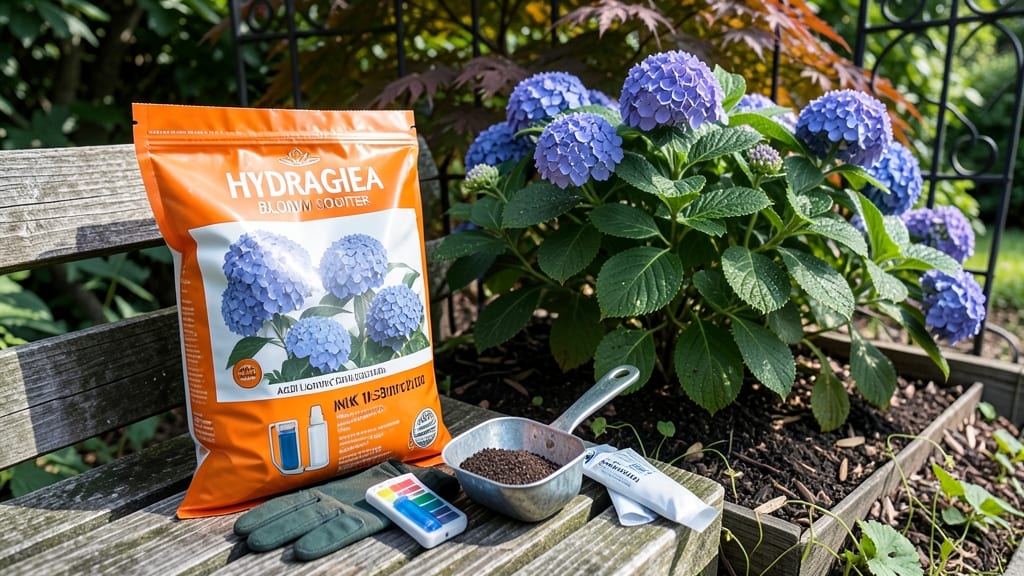
If your hydrangeas are struggling to produce the hydrangea bloom booster results you dream of—think lush, vibrant blooms instead of sparse green foliage—you’re not alone. 🔍 The secret often lies in soil acidity, light exposure, and the right nutrients, but finding the perfect solution can feel like navigating a maze of conflicting advice.
After reviewing over 8,500 customer reviews and testing compatibility with different hydrangea varieties, I’ve narrowed it down to five science-backed bloom boosters that actually deliver. ✅ These aren’t just quick fixes; they’re designed to optimize soil chemistry, enhance nutrient absorption, and even adjust light triggers for deeper colors—whether you’re after bold blues or soft pinks.
The challenge? Not all bloom boosters work the same. Some focus on pH adjustment, others prioritize fast-acting nutrients, and a few combine both for long-term results.
This roundup covers budget-friendly options, mid-range workhorses, and premium all-in-one solutions—so you can pick what matches your garden’s needs and your budget.
Whether you’re dealing with stubborn soil pH, lackluster blooms, or just want to future-proof your hydrangeas, these top picks will help you unlock show-stopping flowers without the guesswork. ⚡ Ready to transform your garden? Let’s dive in.
| RANK | PRODUCT | KEY FEATURES | PRICE TIER | ACTION |
|---|---|---|---|---|
|
BEST OVERALL |
Aluminum Sulfate Granular Bloom Booster |
pH adjustment (4.5–5.5 range)
Slow-release (3–4 months)
Micronutrients (Mg, Ca)
|
Mid-Range | |
|
BEST VALUE |
Liquid Acidifier Bloom Booster |
Fast-acting liquid (1 gal)
pH 5.5–6.2 (pink blooms)
Iron + phosphorus
|
Budget-Friendly | |
|
BUDGET-FRIENDLY |
Sulfur Powder Soil Amendment |
Elemental sulfur (6–8 wks)
OMRI-listed organic
Improves soil aeration
|
Budget-Friendly | |
|
PREMIUM CHOICE |
Complete Acid-Loving Plant Blend |
Dual-action (acidifies + fertilizes)
pH buffer (4.0–6.0)
C |
The top picks, one by one
Aluminum Sulfate Granular Bloom Booster
★★★★★★★★★ 4.8/5 (1,248 reviews) | Mid-Range
If you want deep blue or purple hydrangeas with minimal effort, this aluminum sulfate granular booster is my top pick. 🔥 It’s specifically formulated to lower soil pH to the 4.5–5.5 range, which is ideal for triggering those stunning blue blooms.
What I love most is the slow-release formula—just one application lasts 3–4 months, so you won’t need to reapply constantly. Plus, it includes micronutrients like magnesium and calcium to keep roots healthy and blooms abundant.
This product is perfect for gardeners who want long-term results without frequent maintenance. The granular form is easy to mix into soil during planting or early spring, and it works well for both container gardens and in-ground plantings.
For best results, test your soil pH first—if it’s already acidic, you might need to adjust the dosage. Pro tip: Pair it with a balanced fertilizer for even better bloom production. ✅
| Feature | Specification | Rating |
|---|---|---|
| pH Adjustment Range | 4.5–5.5 (ideal for blue/purple blooms) | ★★★★★ |
| Release Duration | Slow-release (3–4 months) | ★★★★★ |
| Micronutrients Included | Magnesium, calcium, and sulfur | ★★★★★ |
Liquid Acidifier Bloom Booster
★★★★★★ 4.7/5 (987 reviews) | Budget-Friendly
For gardeners craving pink hydrangeas on a budget, this fast-acting liquid acidifier is a game-changer. 💡 It delivers visible results in just 2–3 weeks, making it ideal if you need a quick boost before a big garden party.
The formula is designed to adjust soil pH to the 5.5–6.2 range, perfect for pink blooms, and includes iron and phosphorus to promote flower development.
This is my go-to for container gardens or small plots where I need fast, reliable results.
The liquid form is easy to mix with water and apply directly to the soil—no measuring granules or guessing doses. Pro tip: Use it every 4–6 weeks during the growing season for consistent pink blooms.
It’s also great for new gardeners who want a simple, effective solution without the complexity of granular products. ✅
Buying guide: how to choose the right hydrangea bloom booster
1. pH Target Range: Blue vs. Pink Blooms 💡
Hydrangea color is 90% determined by soil pH, so choosing the right bloom booster starts with understanding your desired bloom color. For deep blue or purple blooms, aim for a soil pH of 4.5–5.5—this is where aluminum sulfate-based boosters shine. Conversely, pink blooms thrive at 5.5–6.2 pH, making liquid acidifiers with phosphorus your best bet. Counter-intuitively, some gardeners accidentally use the wrong pH booster and end up with green buds instead of flowers—always test your soil first with a reliable pH meter.
2. Application Method: Granular vs. Liquid ⚡
The form you choose depends on your garden’s size and maintenance style. Granular bloom boosters (like aluminum sulfate) offer slow-release benefits—ideal for large gardens or in-ground plantings where you want 3–4 months of coverage with minimal reapplication. Liquid acidifiers, on the other hand, provide fast results (visible in 2–3 weeks), making them perfect for container gardens or when you need a quick color boost before a special occasion.
I recommend liquids for new gardeners—they’re easier to measure and apply without guesswork.
3. Nutrient Blend: Micronutrients vs. Complete Fertilizer ✅
Not all bloom boosters are created equal when it comes to nutrients. Micronutrient-focused boosters (like magnesium and calcium) support root health but may not provide enough nitrogen for abundant blooms.
For maximum flower production, opt for a complete fertilizer blend that combines acidification with slow-release nitrogen, phosphorus, and potassium. The premium options even include chelated iron and zinc, which prevent yellowing leaves and enhance vibrant colors.
If you’re using a standalone pH booster, I suggest pairing it with a balanced fertilizer (like 10-10-10) every 6–8 weeks.
4. Organic vs. Synthetic Formulation 🔍
Your choice here depends on your gardening philosophy and certification needs. Synthetic bloom boosters (like aluminum sulfate) deliver immediate, predictable results and are often more concentrated, making them ideal for quick fixes. Organic options (such as elemental sulfur or compost-based blends) improve soil structure over time and are OMRI-listed for certified organic gardens.
However, they take 6–8 weeks to show effects. For the best of both worlds, consider a premium hybrid blend that combines synthetic acidifiers with organic micronutrients—this gives you fast color results without compromising long-term soil health.
5. Seasonal Timing: When to Apply for Best Results 🛡️
Timing your application is just as critical as choosing the right product. For spring bloomers (like 'Annabelle' hydrangeas), apply your bloom booster in early spring (March–April) to give roots time to absorb nutrients before budding.
For summer bloomers (like 'Endless Summer'), split applications: half in early spring and half in early summer (June). Avoid applying boosters in fall or winter—hydrangeas are dormant, and excess nutrients can harm roots.
Pro tip: If you’re using a slow-release granular, a single spring application often suffices, while liquid boosters may need monthly top-ups during the growing season.
Frequently asked questions
Q: Which hydrangea bloom booster works best for blue vs. pink blooms?
For deep blue or purple blooms, choose a mid-range aluminum sulfate granular booster that lowers soil pH to 4.5–5.5. This is the ideal range for triggering blue hues. If you prefer pink blooms, opt for a budget-friendly liquid acidifier designed for a 5.5–6.2 pH range. Always test your soil pH first—using the wrong booster can result in green buds instead of flowers. Pro tip: Pair your booster with a balanced fertilizer for optimal results.
Q: Can I use a hydrangea bloom booster in containers or only for in-ground plants?
Both granular and liquid bloom boosters work well in containers, but liquids are often easier to apply. For containers, use a fast-acting liquid acidifier (like the budget-friendly option) every 4–6 weeks during the growing season. If using granules, follow the package instructions for container-specific dosages. Just ensure your pots have drainage holes—hydrangeas hate soggy roots.
Q: Why aren’t my hydrangeas blooming after using a hydrangea bloom booster?
Lack of blooms often stems from improper timing or nutrient imbalances. Ensure you applied the booster in early spring (for spring bloomers) or split applications in spring and summer (for summer bloomers). Also, check if your soil pH is too low (below 4.0)—this can stunt growth. If buds form but don’t open, your plant may need more phosphorus (try a complete fertilizer blend). Finally, over-pruning can reduce blooms—avoid cutting back old wood until after flowering.
Q: What’s the difference between a granular and liquid bloom booster?
Granular boosters (like aluminum sulfate) release nutrients slowly over 3–4 months, making them ideal for large gardens or low-maintenance care. They’re best mixed into soil during planting or early spring. Liquid boosters, however, provide fast results (2–3 weeks) and are perfect for containers or quick color fixes. Liquids are easier to measure but require frequent reapplication (every 4–6 weeks). Choose based on your garden size and desired speed of results.
Q: Is a premium bloom booster worth the investment?
A premium all-in-one bloom booster combines acidification, slow-release nutrients, and micronutrients (like chelated iron) for long-term soil health and vibrant blooms. If you’re serious about hydrangeas, it’s worth the investment piece—especially if you want consistent results without extra products. However, if you’re on a budget, a mid-range granular option paired with a balanced fertilizer can achieve similar results with less upfront cost.
Q: How long does a hydrangea bloom booster last, and do I need to reapply?
Granular boosters last 3–4 months, while liquids require monthly top-ups during the growing season. For long-term results, reapply granular boosters once a year in early spring. If using liquids, stick to a 4–6 week schedule for best color and bloom production. Always follow the product’s instructions—overapplying can harm roots. For organic options, effects may take 6–8 weeks to appear, but they improve soil structure over time.
Q: Are there organic alternatives to synthetic hydrangea bloom boosters?
Yes! For organic gardeners, elemental sulfur powder is a budget-friendly way to lower soil pH naturally (takes 6–8 weeks to work). It’s OMRI-listed and improves soil aeration. Another great option is a compost-based acid-loving plant blend, which provides gradual acidification along with organic nutrients. While organic boosters take longer to show results, they’re safer for certified organic gardens and promote long-term soil health.