
Blooming
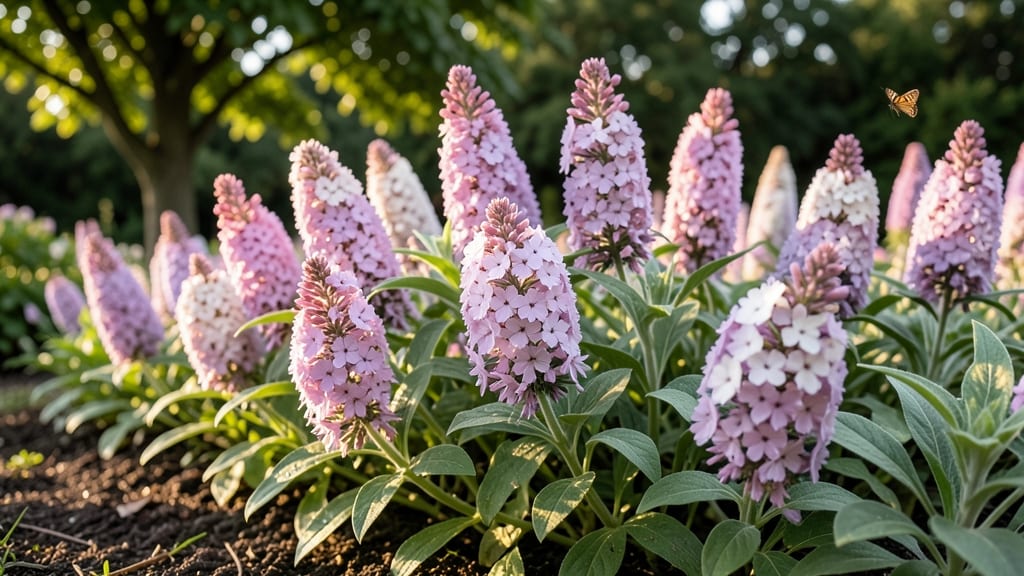
Tired of seasonal color in your Minnesota garden? These 10 hardy perennials deliver continuous blooms from early summer through fall—with minimal upkeep—so you can enjoy vibrant flowers without constant replanting.
Coneflower (Echinacea Purpurea): Drought-Proof Purple Beauty
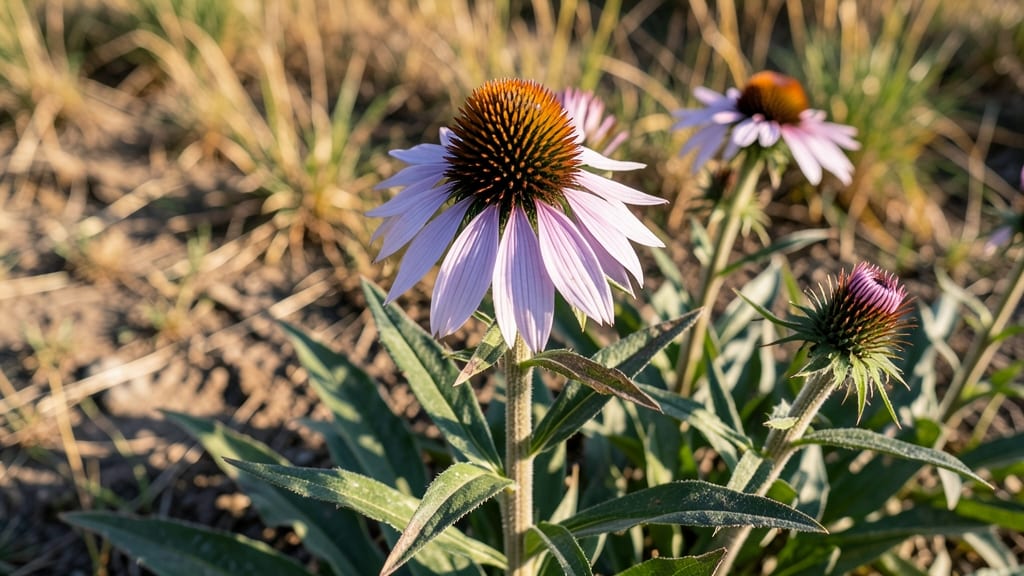
If you're craving a low-maintenance perennial that thrives in Minnesota's unpredictable climate, coneflower (Echinacea purpurea) is your answer. This native beauty not only survives drought and poor soil but also repels deer—making it a top choice for busy gardeners and wildlife lovers alike.
Plant coneflower in full sun (at least 6 hours daily) and watch it bloom from July straight through frost with almost zero effort. Its drought-tolerant roots and self-seeding habit mean fewer replacements over time, while the iconic purple-pink blooms attract butterflies and bees all season long. For best results, deadhead spent blooms just once or twice to encourage more flowers.
Perfect for beginners, pollinator gardens, or native plantings, coneflower adds both beauty and resilience to any landscape. 🌱
Black-Eyed Susan (Rudbeckia Hirta): Sunny Yellow Workhorse
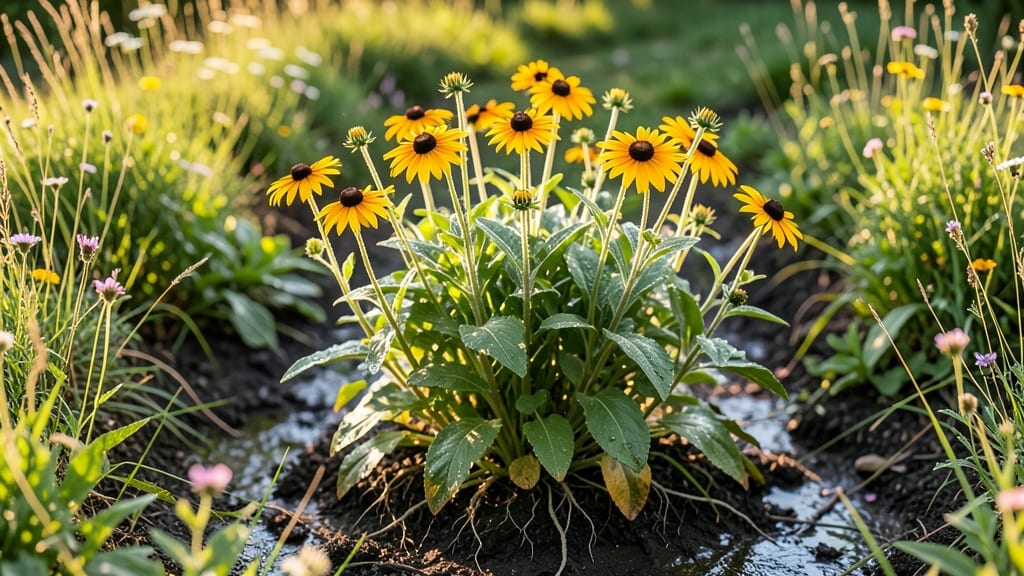
Want a perennial that practically plants itself and thrives in Minnesota’s humidity? Black-eyed Susan (Rudbeckia hirta) delivers cheerful yellow blooms from midsummer to frost—with zero effort. This hardy workhorse self-seeds prolifically, ensuring fresh flowers year after year without replanting.
Plant it in full sun to partial shade and watch it spread naturally, making it perfect for wildflower meadows or cottage-style borders. It tolerates poor soil and even drought once established, while its dark centers add striking contrast. Deadhead spent blooms to encourage more flowers, but even if you skip this step, it’ll keep blooming.
Ideal for busy gardeners or those new to perennials, this low-maintenance beauty attracts pollinators and adds golden cheer to any garden. 🌻
Russian Sage (Perovskia Atriplicifolia): Fragrant Lavender-Purple Spikes
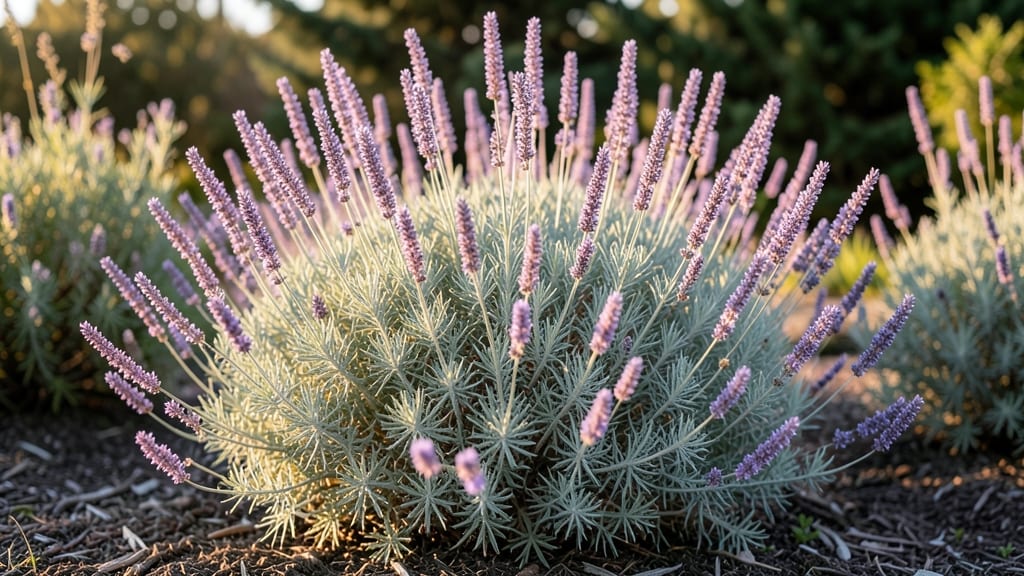
Skip the fuss of seasonal replanting—Russian sage delivers lavender-purple blooms from July straight through frost, all while surviving MN’s brutal winters without a single blanket of mulch. Its silvery foliage and delicate spikes add texture and fragrance to any garden, making it a standout for pollinators and humans alike.
This drought-tolerant and deer-resistant beauty thrives in full sun with minimal water once established, and its aromatic leaves deter pests naturally. Plant it in well-drained soil, and it’ll reward you with year-round structure—even when other perennials have faded. Prune back in early spring to encourage fresh growth.
Perfect for low-maintenance gardeners or those with dry, rocky soil, Russian sage adds height and elegance to borders, cottage gardens, or even containers. 🌻
Daylily (Hemerocallis): Tough Hybrid with Endless Varieties
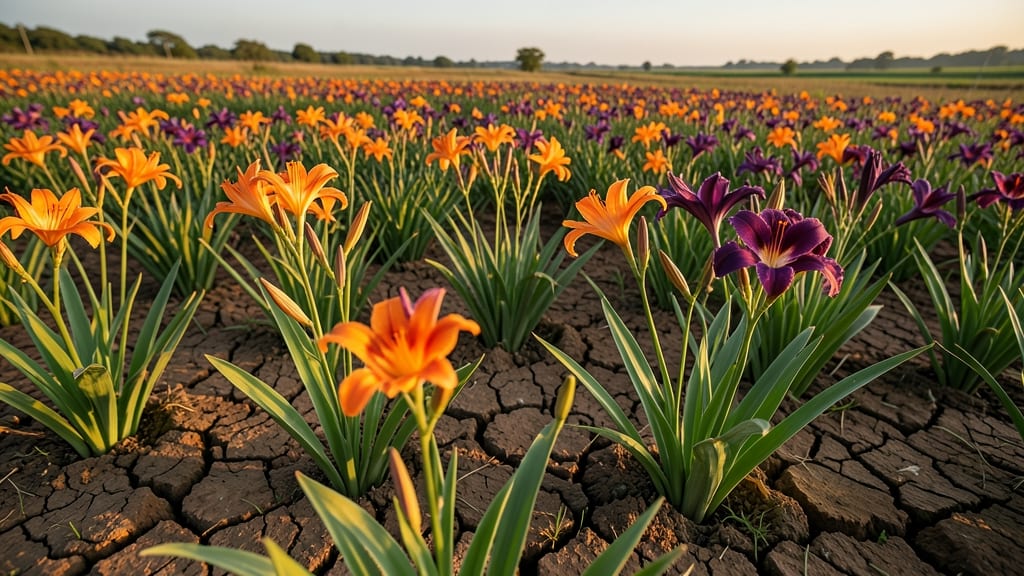
If you’ve ever struggled with clay soil or wanted a plant that blooms like it’s on a never-ending mission, daylilies (Hemerocallis) are your secret weapon. These hybrids deliver months of color in shades from fiery orange to deep purple, making them the ultimate low-maintenance star for sunny garden edges.
Daylilies thrive in MN’s tough conditions, including heavy clay, and spread effortlessly to fill bare spots—no replanting required. With over 80,000 registered varieties, you’ll find blooms that match your garden’s palette, and they’re equally happy in full sun or partial shade. Just water occasionally once established, and enjoy blooms from early summer to frost.
Perfect for beginners, urban gardeners, or anyone tired of seasonal color, daylilies are the ultimate fill-in plant that rewards you with beauty year after year. 🌻
Shasta Daisy (Leucanthemum Superbum): Classic White Summer Staple
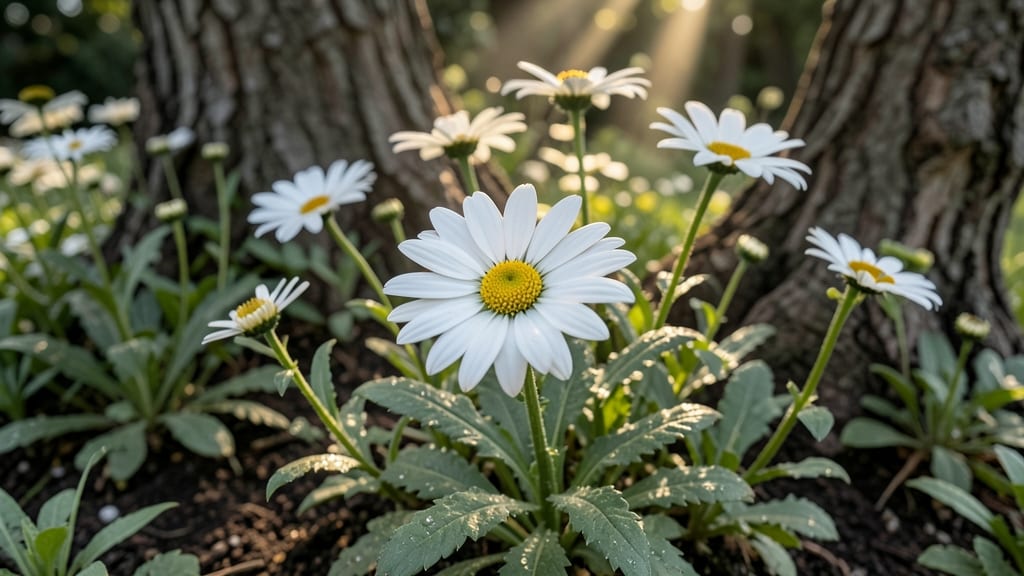
If your garden has patches of partial shade where other perennials struggle, the Shasta daisy (Leucanthemum superbum) is your secret weapon. This classic white bloom thrives in 3-6 hours of sunlight daily—perfect for under trees or along north-facing walls—while still delivering that iconic cottage-garden charm.
What makes it truly special is its reblooming habit: Snip spent blooms in early summer to trigger a second flush of flowers by late summer, extending your display until frost. It’s also deer-resistant and handles MN’s humidity better than many sun-lovers, making it a reliable pick for low-maintenance gardeners.
Plant it as a focal point in borders or mixed beds—its large, cheerful blooms draw the eye while requiring minimal care. Ideal for beginners or busy gardeners who want effortless elegance! 🌻
Bee Balm (Monarda Didyma): Hummingbird Magnet with Red Blooms
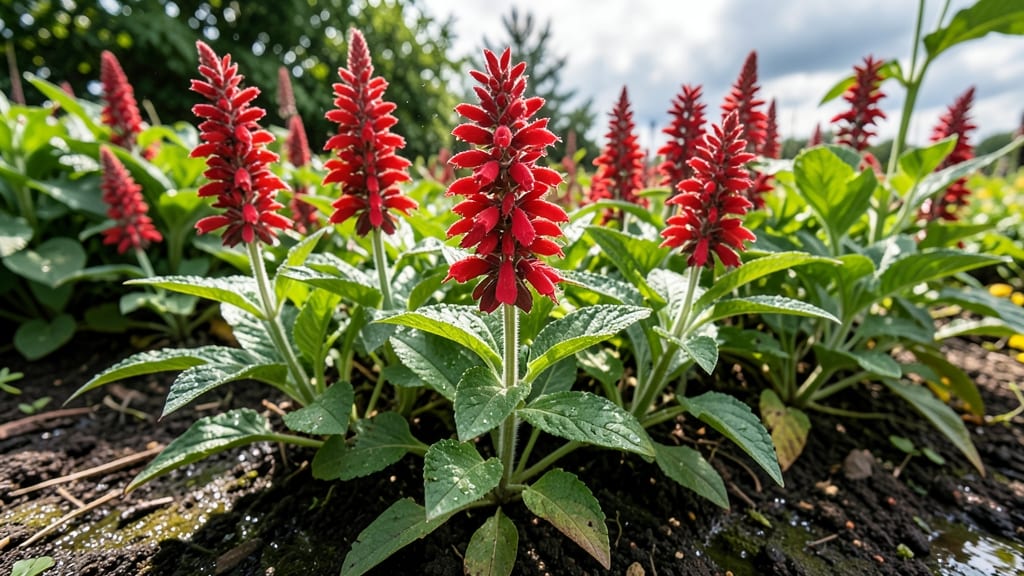
If your garden has a moist spot that feels like a challenge, bee balm (Monarda didyma) turns it into a pollinator paradise. This bold perennial thrives where others falter, producing vibrant red blooms that hummingbirds can't resist from July to September.
Plant it in full sun to partial shade and expect aggressive (but manageable) spread—contain roots with buried barriers if needed. The fragrant foliage adds bonus appeal, while its disease resistance makes it a low-fuss choice for wet or clay-heavy MN soils.
Perfect for cottage gardens or rain gardens, bee balm brings year-round interest—even the dried seed heads add winter texture. 🌻
Catmint (Nepeta): Long-Blooming Lavender-Purple Spikes
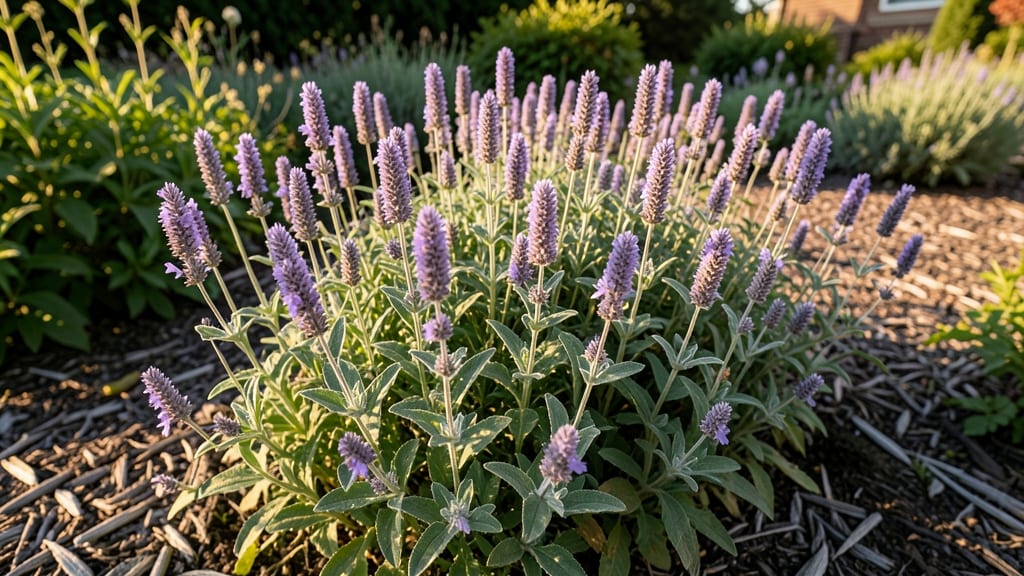
If you’re tired of battling deer or watering daily, catmint (Nepeta) is your secret weapon for a low-maintenance border that thrives on neglect. This hardy perennial produces fragrant, lavender-purple spikes from June straight through frost, making it a summer-long showstopper.
Plant it in full sun to partial shade and watch it flourish in dry, well-drained soil—it’s one of the few perennials that actually prefers drought over overwatering. Plus, its fuzzy foliage and delicate blooms pair perfectly with coneflowers for a pollinator-friendly, deer-proof display. Just snip back spent blooms in early spring to encourage fresh growth.
Perfect for busy gardeners or those with rocky, poor soil, catmint delivers year-round interest—even the seed heads add winter texture. 🌱
Coreopsis (Tickseed): Golden-Yellow Wildflower Clusters
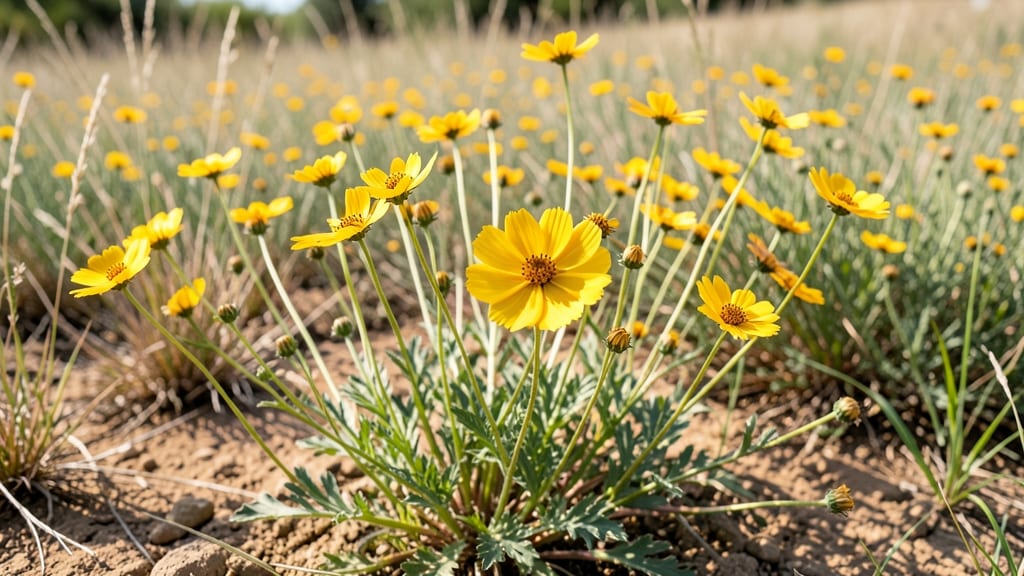
Want a self-sustaining perennial that thrives on neglect and brightens up your garden with golden-yellow cheer? Coreopsis (or tickseed) is your answer—this drought-tolerant wildflower multiplies on its own and blooms nonstop from early summer through fall.
Plant it in full sun with well-draining soil (even poor or rocky soil works), and watch it spread effortlessly. Deadhead spent blooms to encourage more flowers, but don’t worry—it’ll still thrive with minimal care. This pollinator favorite attracts bees and butterflies while adding a pop of color to borders, meadows, or containers.
Perfect for beginners or busy gardeners, coreopsis requires almost no maintenance and rewards you with years of vibrant blooms. 🌻
Salvia (Salvia Nemorosa): Purple Spires for Pollinators
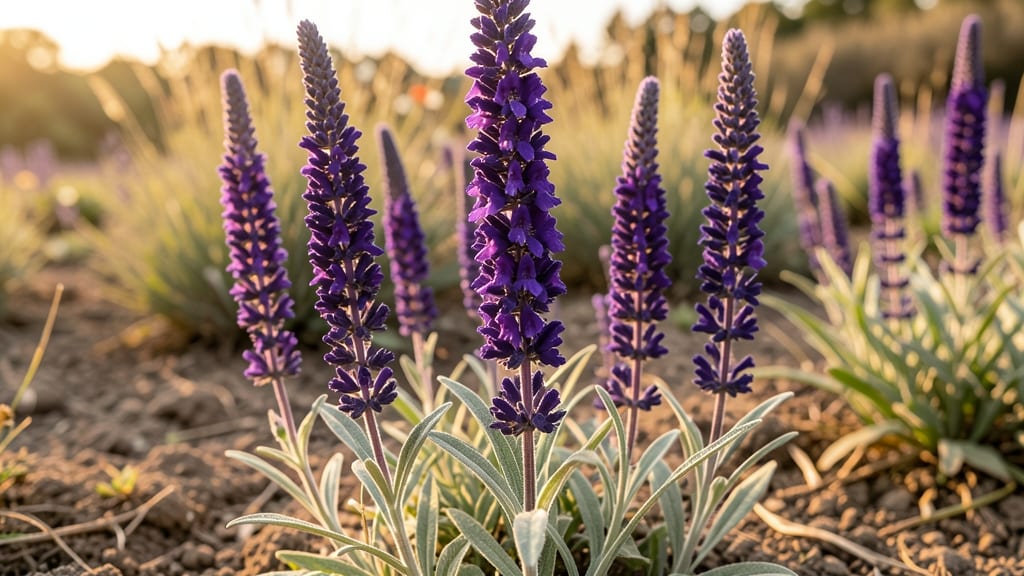
If you’re looking for a heat-loving perennial that thrives in Minnesota’s summer sun while keeping deer at bay, salvia nemorosa is your answer. This striking plant produces dense purple flower spikes from June to September, creating a dramatic vertical accent in your garden.
Perfect for dry, well-drained soil, salvia requires little water once established and pairs beautifully with Russian sage for a cohesive, pollinator-friendly display. Its deer-resistant nature makes it ideal for rural or suburban gardens where critters might otherwise snack on your blooms. Simply cut back the foliage in early spring to encourage fresh growth.
Gardeners with sunny borders or drought-prone areas will love how salvia adds structure and color with almost no effort. It’s a must-have for pollinator gardens! 🌻
Phlox (Phlox Paniculata): Fragrant Tall Garden Staple

Need a fragrant garden staple that thrives in partial shade and keeps blooming from July to September? Phlox paniculata delivers clusters of sweet-scented flowers that attract butterflies while adding height and texture to borders or cutting gardens.
This hardy perennial prefers moist, well-drained soil and tolerates Minnesota’s humidity better than sun-loving perennials. Deadhead spent blooms to encourage more flowers, and watch as it grows 2–4 feet tall with vibrant pink, purple, or white blooms. Varieties like 'David' or 'Lipstick' are especially popular for their bold colors.
Perfect for gardeners who want low-maintenance elegance without sacrificing fragrance or pollinator appeal. 🌻