
Blooming
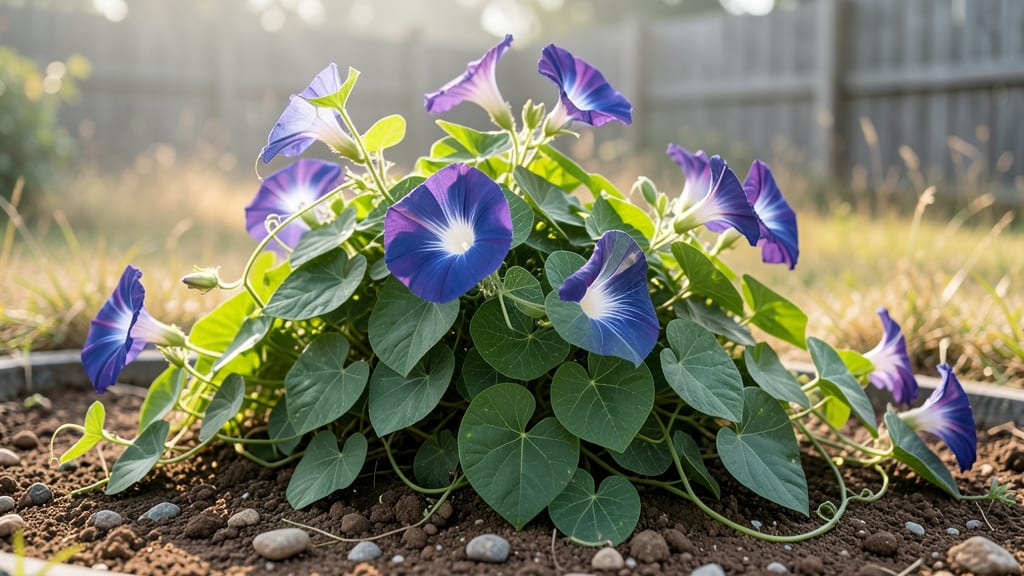
The morning glory bloom time depends on heat—typically 60 to 90 days after planting, depending on variety and climate.
If you’ve ever planted morning glories hoping for vibrant blooms only to be left waiting, you’re not alone. These heat-loving climbers follow precise bloom triggers that most gardeners overlook. Understanding their heat-dependent stages can mean the difference between a garden full of trumpet-shaped flowers and a season of disappointment.
In Zone 6a, where spring temperatures rise slowly, most varieties like 'Heavenly Blue' or 'Scarlet O’Hara' won’t burst into bloom until late June or early July. But in warmer regions, some fast varieties can flower as early as May—if you give them the right conditions.
Below, I’ll break down the exact heat thresholds that kickstart blooming, how to choose the fastest varieties for your area, and five pro tips to coax flowers weeks earlier than the average 🌸 bloom time.
How heat triggers morning glory bloom time: stages explained
Morning glories are famous for their heat-dependent blooming, but most gardeners miss the three critical stages that determine when those trumpet-shaped flowers appear. These stages—vegetative growth, pre-flowering, and active flowering—are all triggered by specific temperature ranges.
Understanding these stages helps you accelerate blooms or troubleshoot delays caused by temperature fluctuations.
First, let’s clarify the ideal temperature ranges for each stage. Morning glories thrive when daytime temperatures stay between 70°F and 85°F, while nighttime temps should hover around 60°F to 70°F.
If temperatures dip below 50°F at night or climb above 90°F during the day, blooming can stall or even reverse. This is why short-season climates often struggle with morning glory blooms—they simply don’t get enough consistent heat.
Here’s how heat influences each stage, along with the key temperature thresholds you need to monitor:
| Stage | Daytime Temp Range (°F) | Nighttime Temp Range (°F) | Key Heat Trigger | Bloom Impact |
|---|---|---|---|---|
| Vegetative Growth | 60°F–75°F | 50°F–60°F | Moderate warmth | Foliage growth; no flowers yet |
| Pre-Flowering | 70°F–80°F | 60°F–70°F | Consistent warmth | Bud formation begins |
| Active Flowering | 75°F–85°F | 65°F–75°F | Peak daytime heat | Full bloom; 24–48 hours |
| Stress Zone | Above 90°F | Below 50°F | Extreme temps | Blooms drop; growth stalls |
The vegetative growth stage is where morning glories focus on building leafy vines rather than flowers. During this phase, temperatures between 60°F and 75°F encourage rapid foliage development, but the plant won’t shift to flower production until it senses consistent warmth.
If nights drop below 50°F, growth slows dramatically, delaying the transition to the next stage.
Once daytime temps climb into the 70°F–80°F range, your morning glories enter the pre-flowering stage. This is when you’ll notice bud formation along the vines. The key here is stable nighttime temperatures—if nights dip too low, buds may abort before opening.
In cooler climates, this stage can stretch for 2–3 weeks longer than in warmer regions.
The active flowering stage is what most gardeners wait for, and it’s triggered by peak daytime heat (75°F–85°F) combined with moderate nighttime warmth (65°F–75°F). Flowers typically open in the morning and close by afternoon, a behavior tied to their heat sensitivity.
If daytime temps exceed 90°F, blooms may wilt or drop prematurely, reducing your display.
Temperature fluctuations are the biggest enemy of morning glory blooms. For example, a cool morning followed by a hot afternoon can confuse the plant, causing buds to fail to open.
To mitigate this, I recommend mulching with black plastic to absorb and retain heat, especially in short-season gardens. This mimics the tropical conditions morning glories prefer.
Another pro tip: Prune lightly during the vegetative stage to encourage bushier growth, which leads to more flower nodes. However, avoid pruning once buds form—this can delay blooming by 1–2 weeks.
If you’re in a cooler climate, consider starting seeds indoors 4–6 weeks early to give vines a head start before transplanting.
Finally, remember that morning glories are annuals in most climates, meaning they rely entirely on the current season’s heat to bloom. If your summer is unusually cool or short, you may only get a single flush of flowers rather than continuous blooms.
In these cases, extend the season with row covers or choose heat-tolerant varieties like
Morning glory varieties ranked by fastest bloom time (days to first flower)
If you're eager to see those iconic trumpet-shaped blooms, choosing the right morning glory variety makes all the difference. Some varieties burst into flower in as few as 30 days, while others take 60 days or more.
Heat-loving climbers like 'Heavenly Blue' and 'Scarlet O’Hara' are among the fastest, perfect for short-season gardens. Let's compare the top performers to help you pick the best fit for your climate and timeline.
For gardeners in cooler regions, varieties like 'Black Dragon' or 'Fountain of Heaven' offer a balance between speed and heat tolerance. These can still deliver blooms in 45-55 days when given proper care.
The key is understanding each variety's heat requirements and daylength sensitivity—some need consistent warmth, while others thrive with just a few hot days to trigger flowering.
Regional growing tips can shave off critical days from bloom time. In USDA Zone 8 and warmer, varieties like 'Heavenly Blue' often bloom 10-15 days earlier than in cooler zones. For northern gardens, use black plastic mulch to warm soil and extend the growing season.
This simple trick can push 'Scarlet O’Hara' from 45 days to 35 days in ideal conditions.
Heat tolerance is just as important as speed. 'Black Dragon', for example, handles 90°F+ temperatures beautifully but may struggle in 70°F climates. If your summers are mild, opt for 'Fountain of Heaven', which thrives in 75-85°F ranges.
Always check your local last frost date and plant seeds 2-3 weeks earlier than recommended to maximize bloom potential.
For container gardeners, dwarf varieties like 'Lavender Enigma' (55-65 days) are excellent choices. These compact climbers reach 6-8 feet and bloom reliably in pots, making them perfect for balconies or small spaces. Pair them with a trellis or obelisk to save space while encouraging faster flowering through better air circulation.
Remember, morning glories are annuals that complete their life cycle in one season. The fastest bloomers like 'Heavenly Blue' may only reward you with 2-3 weeks of peak blooms, while slower varieties like 'Black Dragon' can extend your flowering season by 4-6 weeks if deadheaded regularly.
Choose based on your timeline—whether you want early summer color or a prolonged display.