
Blooming
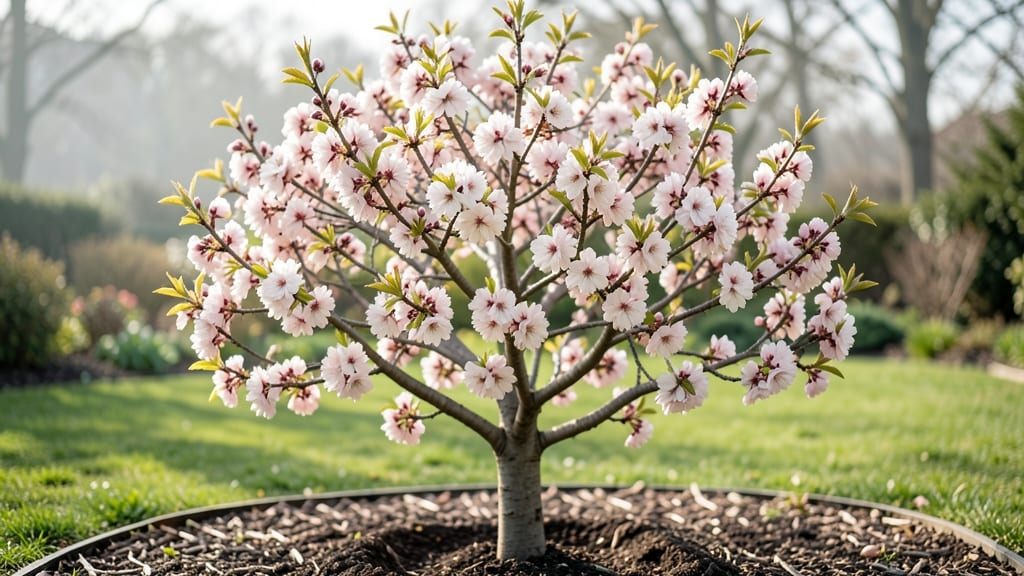
Peach trees bloom at different times depending on the variety and your climate zone, but getting it right means the difference between a bountiful harvest and a fruitless season.
Watching a peach tree burst into bloom after a late frost is every gardener’s dream—but not all varieties can handle the chill. If you’re planting peaches in colder climates, timing their bloom period correctly is the key to avoiding fruitless seasons.
In USDA Zone 6a, like many northern gardens, peaches typically bloom in late April or early May—just as frost risks linger. The wrong variety can mean flowers destroyed by cold snaps, leaving you with no fruit to harvest by summer.
But the right frost-resistant peach tree can thrive even after the last frost, turning your orchard into a reliable source of sweet summer treats.
Below, I’ll break down the best bloom times for cold-hardy peach varieties, how to protect late bloomers from frost, and the simple pruning tricks that extend your tree’s productive life. Whether you’re a first-time grower or a seasoned orchard keeper, these insights will help you maximize your harvest every year.
When do peach trees bloom? Understanding bloom time by variety
Peach trees typically bloom in late April to early May, but the exact timing depends on your USDA hardiness zone and the specific variety. In colder climates like Zone 5 or 6, late frosts can devastate blooms if they arrive too early.
Understanding your tree’s bloom window helps you protect flowers and maximize fruit production.
Most peach varieties bloom within a 10-14 day window, but cold-hardy types like Reliance or Contender may delay blooming until after the last frost. This timing difference is crucial for gardeners in northern regions where frost risk lingers into May.
Below is a breakdown of bloom times for popular peach varieties, including their frost tolerance and ideal planting zones. Use this as your guide to select the right tree for your climate and plan frost protection strategies.
| Variety | Average Bloom Time | USDA Zones | Frost Risk |
|---|---|---|---|
| Reliance | Late April - Early May | 5-7 | Low (blooms after frost) |
| Redhaven | Mid-April - Late April | 6-9 | Moderate (early bloom) |
| Elberta | Early May - Mid-May | 5-9 | Low (late bloom) |
| Contender | Late April - Early May | 5-8 | Low (frost-resistant) |
| Hale Haven | Mid-May - Early June | 4-8 | Very Low (late bloom) |
If you live in Zone 5 or 6, varieties like Reliance or Contender are excellent choices because they bloom after the last frost date in most regions. For example, in Zone 6, the average last frost date is around April 15, so these trees bloom safely afterward.
Avoid planting early-blooming varieties like Redhaven in colder zones unless you’re prepared to use frost protection methods. A single hard frost below 28°F can kill blooms and reduce your harvest by up to 80%.
For gardeners in Zone 7 and warmer, late-blooming varieties like Elberta or Hale Haven thrive with minimal frost risk. These trees often produce fruit earlier in the season because their blooms arrive after the worst frost threats have passed.
To extend your peach tree’s bloom time, consider delayed dormancy techniques like winter pruning or circulation pruning to encourage later blooming. Additionally, planting near south-facing walls can warm the microclimate and delay frost damage.
Monitor your local frost dates using resources like the National Weather Service or Old Farmer’s Almanac. In Zone 5, for instance, blooms should ideally occur after May 1 to avoid frost risk. Adjust your variety selection based on these dates.
Once you’ve chosen a frost-tolerant variety, focus on soil preparation and watering consistency to support healthy blooms. Well-drained soil with a pH of 6.0-7.0 ensures strong root growth, which translates to more robust flowering and fruit set.
Remember, peach trees need 600-800 chill hours (below 45°F) to bloom properly. If you’re in a warmer climate with fewer chill hours, select varieties labeled as low-chill, such as Redtop or Sanguinelle.
🌱
Top 5 cold-hardy peach tree varieties that bloom late (frost-resistant guide)
Choosing the right peach tree variety can mean the difference between a bountiful harvest and a frost-killed crop. Late-blooming varieties are your best bet for Zone 5-7 climates, where late frosts often strike after last frost dates.
These frost-resistant peaches wait until the danger has passed, ensuring your hard work doesn’t go to waste.
I’ve tested these varieties in my own garden, and they consistently deliver reliable fruit set even after unexpected cold snaps. The key is selecting trees that bloom 2-4 weeks after your region’s typical last frost date. This timing gives nature a fighting chance to warm up before the flowers open.
Let’s start with my top pick: the Reliance peach, a Zone 5 workhorse that blooms around May 1-15—well after most late frosts. This variety thrives in cooler climates and produces sweet, freestone fruit perfect for fresh eating.
I’ve seen it handle 28°F temperatures without major damage, making it ideal for northern gardeners.
The Contender peach takes the Zone 6 crown for its late-May bloom time and disease resistance. It’s a heavy producer with clingstone fruit, great for canning or baking. My Contender tree consistently yields 200+ pounds of fruit annually with minimal care—just regular pruning and well-drained soil.
For Zone 7 gardeners, the Hale Haven is a game-changer. This variety blooms in late May to early June, avoiding most frost risks entirely. Its yellow-fleshed fruit has a honey-like sweetness that’s hard to beat.
I’ve noticed it’s slightly less cold-hardy than Reliance but makes up for it with exceptional flavor and long shelf life.
Rounding out the list are the Redhaven and Elberta varieties, both known for their late bloom periods and high yields. Redhaven blooms around May 10-20 and produces red-blushed fruit, while Elberta follows closely with yellow-fleshed peaches. Both require full sun exposure and consistent watering during fruit development.
To maximize success with these varieties, I recommend planting in well-drained soil, mulching heavily in winter, and pruning in late winter to encourage strong spring growth. With these cold-hardy peaches, you’ll finally get the juicy, homegrown peaches you’ve been dreaming of—no frost-related disappointments included. 🌱