
Blooming
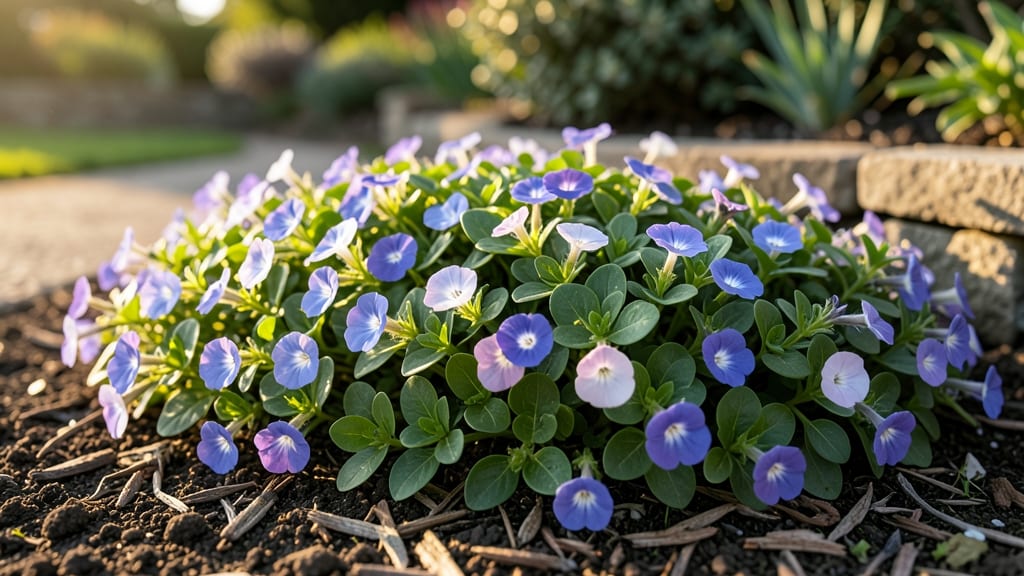
The periwinkle bloom time in late spring to early summer 🌸 can be extended with the right care—here’s how to keep it flowering until frost.
If you’ve ever wondered why your periwinkle (Vinca minor or Vinca major) blooms once and then fades into green foliage, you’re not alone.
This hardy perennial has a natural cycle, but it does respond to light, pruning, and feeding—three simple tweaks that can turn a single spring burst into months of color.
In USDA Zone 6a (and beyond), periwinkle typically flowers in May and June, but cooler climates or heavy shade can delay it. The key to repeat blooms?
Deadheading spent flowers, feeding lightly in spring, and ensuring it gets at least 4 hours of morning sun—even partial shade won’t stop growth, but it’ll cut back on flowers.
Below, I’ll break down the exact timing for your region, plus the 3-step pruning method that keeps my periwinkle blooming until October. No guesswork, just proven tricks for year-round color.
Natural periwinkle bloom time: seasonal patterns by climate zone
Understanding when your periwinkle plants bloom naturally is key to enjoying their vibrant flowers year-round. Both Vinca minor and Vinca major typically bloom in spring and early summer, but their timing shifts dramatically depending on your USDA climate zone.
In colder zones (USDA 3-5), expect blooms as early as late April, while warmer zones (USDA 8-10) may see flowers as late as June or even fall.
The natural bloom cycle of periwinkle is triggered by temperature shifts and daylight hours.
In cooler climates, plants often bloom earlier to take advantage of spring warmth, while warmer regions may experience staggered blooming throughout summer. Vinca minor, the creeping variety, tends to bloom slightly earlier than the taller Vinca major, which often waits until late spring.
Here’s how climate zones influence bloom timing for both varieties:
| USDA Zone | Bloom Period | Vinca Minor | Vinca Major |
|---|---|---|---|
| 3-5 (Cold) | Late April - Early June | Early bloomer | Late bloomer |
| 6-7 (Temperate) | May - July | Prolonged blooms | Staggered blooms |
| 8-10 (Warm) | June - August (or fall) | Extended summer blooms | Possible fall rebloom |
In USDA zones 3-5, periwinkle often blooms in late April or May as temperatures rise above 50°F. The creeping Vinca minor may produce flowers as early as April, while the larger Vinca major typically waits until May or June.
These cooler climates benefit from early spring pruning to encourage new growth and extended blooming.
For USDA zones 6-7, the bloom period stretches from May through July, with Vinca minor often showing prolonged blooming if conditions are ideal. Vinca major, with its taller stems, may produce flowers in staggered waves, creating a longer display.
In these zones, morning sunlight and well-draining soil are critical for consistent blooming.
In warmer USDA zones 8-10, periwinkle may bloom as late as June or even into fall, especially if temperatures remain mild. Vinca major in these regions can sometimes produce a second bloom in autumn if given proper care.
The key here is avoiding summer heat stress and ensuring adequate moisture during dry spells.
Regional variations also play a role. For example, Pacific Northwest gardens (USDA 7-8) often see earlier blooms due to cooler summers, while Southern gardens (USDA 9-10) may experience year-round blooming in ideal conditions. Understanding your local microclimate helps predict when to expect those cherry-red or violet flowers to appear.
If you’re in a transition zone (like USDA 7b), your periwinkle’s bloom time may vary yearly based on weather patterns. A cold snap in spring can delay blooms, while an unusually warm winter might trigger early flowering.
Pay attention to your plant’s growth cues—new leaves often signal an upcoming bloom cycle.
To maximize blooms, focus on light exposure and soil health. Periwinkle thrives in partial shade but needs at least 4-6 hours of morning sun for optimal flowering. Amending soil with compost or organic matter also encourages vibrant, long-lasting blooms.
By aligning your care routine with your climate zone’s natural patterns, you can enjoy periwinkle flowers for months instead of just a single spring burst.
Whether you’re in a cool mountain garden or a warm coastal climate, these seasonal insights will help you time your pruning, fertilizing, and watering for continuous color.
How to trigger repeat periwinkle blooms: pruning, fertilizing & light tricks
Periwinkle (Vinca minor and Vinca major) naturally blooms in spring, but with the right care, you can extend its flowering season into summer and even fall. The key lies in understanding how to stimulate new growth while maintaining plant health.
Unlike some perennials, periwinkle responds well to gentle pruning and strategic feeding—techniques that trick it into thinking it's still springtime, even when temperatures drop.
Most gardeners miss the mark by either over-pruning or fertilizing too late in the season. A balanced approach to light exposure, deadheading, and fertilization can transform your periwinkle from a one-time spring bloomer into a continuous color producer.
Let’s break down the exact steps to achieve this, starting with the most critical: pruning for reblooming.
🌿 Step-by-Step Guide to Extend Periwinkle Bloom Time
-
Step 1: Deadhead Faded Blooms
Remove spent flowers immediately after they wilt. This prevents seed formation and redirects the plant’s energy into producing new flower buds instead of seeds. Use clean, sharp pruners to snip stems just above a leaf node. -
Step 2: Prune for Airflow
Lightly trim overcrowded foliage in early summer to improve air circulation. Focus on the outer edges of the plant, cutting back 1/3 of the oldest growth to encourage fresh, vibrant shoots that will bloom again in 6-8 weeks. -
Step 3: Fertilize Strategically
Feed with a balanced 10-10-10 fertilizer in early spring (March-April) and mid-summer (July). Use organic options like compost tea or fish emulsion for slower, more natural nutrient release. Avoid high-nitrogen fertilizers—they promote leafy growth at the expense of blooms. -
Step 4: Adjust Light Exposure
Move periwinkle to a sunnier spot (4-6 hours of morning sun) if blooms are sparse. While it tolerates shade, direct sunlight triggers more flowers. If relocating, do so gradually over 1-2 weeks to avoid shocking the plant. -
Step 5: Mulch for Moisture
Apply a 2-inch layer of mulch (like shredded bark) around the base to retain moisture and regulate soil temperature. This encourages steady root growth, which supports continuous flowering. Keep mulch 6 inches away from the stem to prevent rot. -
Step 6: Water Deeply
Water deeply once a week (1 inch of water) rather than shallow daily watering. This encourages deep root development, which helps periwinkle withstand drought and bloom longer. Water in the early morning to reduce evaporation and fungal risks.
Timing is everything when it comes to periwinkle care. For example, if you prune too late in the season (after mid-August), the plant may not have enough time to produce new blooms before winter.
Similarly, fertilizing after July can stimulate tender new growth that won’t survive frost. By following these steps, you’ll create an environment where your periwinkle feels encouraged to bloom continuously, not just once a year.
One of my favorite tricks is to pair periwinkle with companion plants like heuchera or ajuga, which thrive in similar conditions. This not only creates a stunning garden display but also helps maintain the right moisture and light balance for your periwinkle.
Plus, the contrasting foliage makes the periwinkle blooms stand out even more.
Remember, periwinkle is a low-maintenance perennial, but it does reward consistent care. If you’ve struggled with sparse blooms in the past, start with deadheading and light pruning—these two steps alone can double your flower production.
Combine them with the right fertilizer and light, and you’ll enjoy colorful periwinkle blooms from spring through fall. 🌸