
Blooming
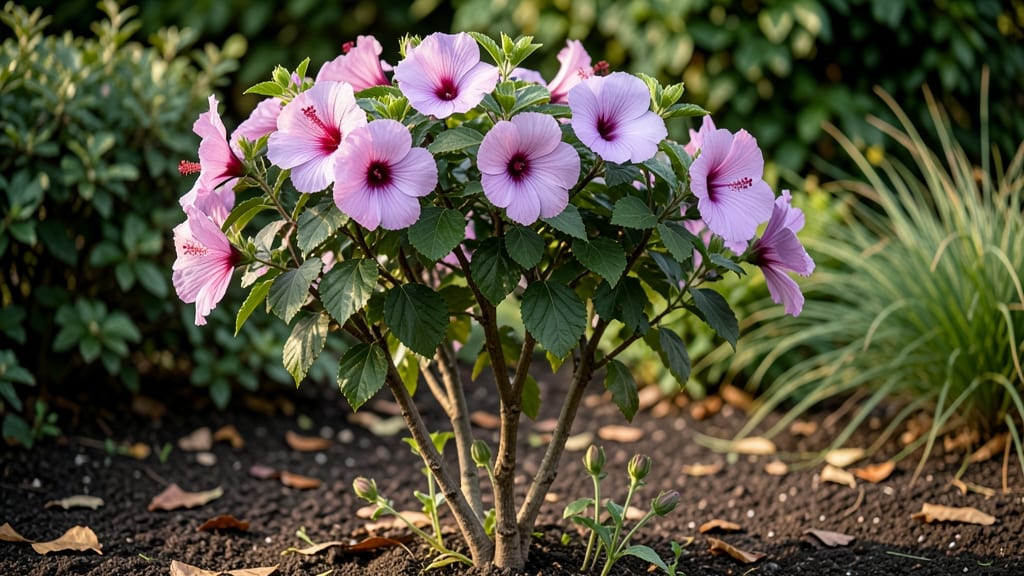
The Rose of Sharon bloom time hinges on heat exposure and frost timing—two factors that can turn your shrub into a dramatic summer star or a disappointing flop.
If you’ve ever wondered why your 🌸 Rose of Sharon blooms sporadically—or not at all—heat exposure and frost timing are the hidden secrets behind its dramatic seasonal displays.
In Zone 6a, where most gardeners plant this hardy shrub, the magic happens between July and September, but the real story starts in spring. Warm soil and consistent temperatures kickstart bud formation, while late frosts can delay—or even wipe out—entire bloom cycles.
Here’s how to time it right: when to prune for maximum flowers, how climate shifts affect your shrub, and the pro tips that keep your Rose of Sharon blooming longer than ever.
Heat-triggered bloom stages: when & how Rose of Sharon responds to temperature
Your Rose of Sharon (Hibiscus syriacus) doesn’t just bloom—it performs a heat-triggered dance that turns your garden into a seasonal spectacle. This shrub is biologically wired to respond to temperature shifts, with its bud formation and peak bloom windows directly tied to daytime highs.
When daytime temperatures hit 75–90°F, the plant shifts into high gear, producing the vibrant blooms that last for weeks.
The magic happens when your Rose of Sharon experiences consistent warmth after a cold winter dormancy. In USDA zones 4–9, this typically means blooms appear between mid-July and early September, but the exact timing depends on your local climate.
For example, in Zone 6, buds form in late May to June, while in Zone 9, they may appear as early as May or stretch into October.
Here’s how temperature ranges influence each bloom stage:
| Stage | Optimal Temp Range (°F) | Bloom Window | Microclimate Notes |
|---|---|---|---|
| Bud Formation | 65–75°F | Late May–June | Urban areas may delay budding due to heat islands. |
| Peak Bloom | 75–90°F | Mid-July–Early Sept | Coastal zones may extend blooms into October. |
| Late-Season Heat | Above 90°F | Reduces bloom duration | Provide afternoon shade to prolong flowering. |
| Frost Recovery | Below 32°F | Delays next year’s buds | Mulch heavily to protect roots. |
Late-season heat can actually shorten your Rose of Sharon’s bloom time if temperatures consistently exceed 90°F. The plant may drop buds prematurely or produce fewer flowers. To combat this, I recommend providing afternoon shade with a sheer curtain or by planting near taller shrubs.
This simple trick can extend your blooms by 2–3 weeks in hot climates.
Regional variations play a huge role. In Zone 4, where winters are harsh, your Rose of Sharon may not bloom until August, while in Zone 8–9, it can start as early as June and continue into November.
The key is understanding your last frost date and ensuring the plant gets enough chill hours (300–600 hours below 45°F) to break dormancy properly.
Microclimates—like the warmer pockets near south-facing walls or the cooler shade under trees—can also shift bloom times. For instance, a Rose of Sharon planted against a brick wall might bloom 2 weeks earlier than one in an open field.
Pay attention to these nuances, and you’ll fine-tune your plant’s performance like a pro.
If you’re in a hot, dry climate, like the Southwest, your Rose of Sharon might need extra water during bud formation to prevent stress. In contrast, in humid regions, like the Southeast, focus on improving airflow to reduce fungal issues that can stunt blooms.
The right balance of water, heat, and airflow is your secret weapon for a longer, more vibrant display.
Pro tip: Prune your Rose of Sharon in late winter to remove dead wood and encourage new growth. This timing ensures the plant is ready to capitalize on the first warm spells of spring, setting the stage for earlier and more abundant blooms.
Just avoid heavy pruning after June, as it can delay next year’s flowers.
By mastering these heat-triggered stages, you’ll transform your Rose of Sharon from a sporadic bloomer into a reliable garden star. The key is observing your plant’s cues and adjusting care based on your local climate.
With the right approach, you’ll enjoy months of stunning blooms—not just a fleeting summer show.
Frost recovery insights: how cold affects next year’s Rose of Sharon bloom time
Frost can feel like a death sentence for your Rose of Sharon, but don’t panic—this hardy shrub often surprises with resilience. While buds may blacken and leaves crisp in freezing temps, the roots typically survive down to 10°F or lower, depending on your USDA zone.
The key lies in understanding how frost timing affects next year’s blooms and what you can do to protect your plant.
Early frosts in late summer or fall often cause minimal damage because most buds haven’t formed yet. However, a hard freeze in late winter—when buds are already swelling—can devastate your bloom cycle.
The plant’s recovery depends on whether the cambium layer (growth tissue) survives, which determines how quickly new buds will develop in spring.
⚠️ callout warning
Late winter frosts (Feb-March) are far worse than early ones. If temps drop below 20°F when buds are already swollen and colored, your Rose of Sharon may skip blooming entirely that season. Protect with burlap wraps or mulch piles before first frost to insulate roots.
If frost hits early (before buds form), your plant will likely recover fully by mid-spring, producing blooms on new wood that emerges from protected buds.
But if frost strikes in late winter, you may see delayed or sparse blooms, as the plant redirects energy to rebuilding damaged stems. In USDA zones 4-5, expect a 2-4 week delay in bloom time compared to warmer regions.
To maximize recovery, start with late-winter pruning (just after frost danger passes) to remove dead wood and encourage new growth. Apply a 3-inch mulch layer of shredded bark or straw around the base to insulate roots and retain moisture.
For severe frost damage, consider a light fertilizer application in early spring (10-10-10) to support regrowth.
Watering plays a crucial role too. After frost, deep watering once a week helps stressed roots recover, but avoid overwatering, which can drown weakened stems.
If your plant looks leggy or sparse after frost, it’s likely prioritizing leaf growth over flowers—trim back by 1/3 to redirect energy to bud formation.
With the right care, your Rose of Sharon can bounce back stronger. Even if blooms are delayed, proper winter protection and spring pruning ensure vibrant flowers by mid-summer. The key is patience—this shrub’s resilience often outweighs the damage! 🌿