
Blooming
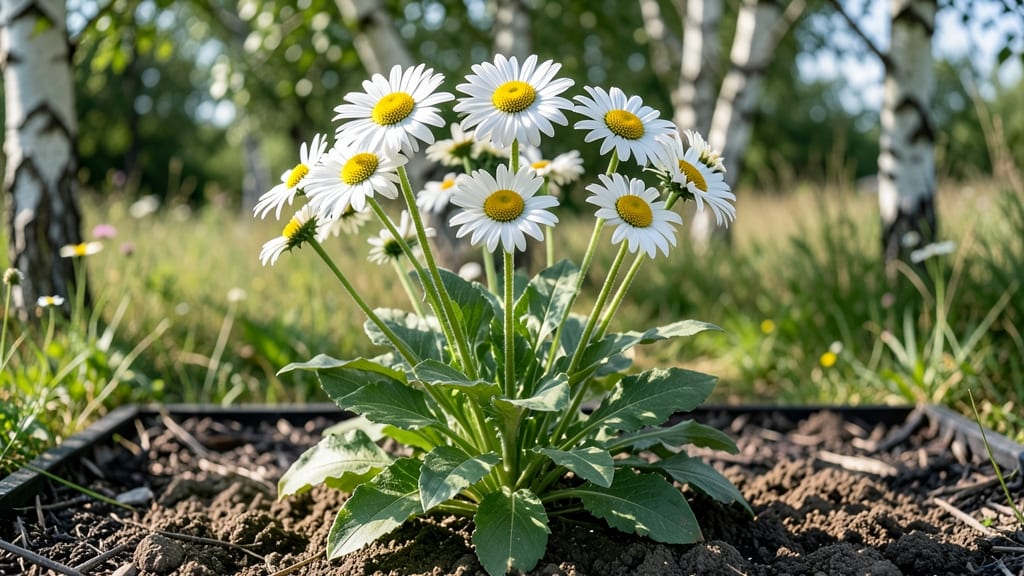
The Shasta daisy bloom time turns your garden into a sea of cheerful white when timed right—but getting that perfect window depends entirely on where you live.
If you’ve ever dreamed of a garden bursting with cheerful white blooms but wondered when your Shasta daisies will finally open—or how to coax them to flower again—this guide unlocks the secrets tied to your climate zone.
In USDA Zone 6, where many gardeners live, blooms typically arrive by June and last through August, but cooler zones like the Pacific Northwest push them back to July, while Southern gardens may see them as early as May.
Below, I break down the exact bloom windows by zone, how sunlight and soil affect timing, and the 3 simple tricks to extend those blooms for weeks longer than usual.
Shasta daisy bloom time by USDA climate zones: first flower timing explained
If you're planning your garden around Shasta daisies, knowing their bloom time by USDA zone is essential. These cheerful flowers typically bloom from mid-June to August, but exact timing shifts dramatically depending on where you live.
In cooler zones (3-5), expect blooms to arrive later, while warmer zones (8-10) may see earlier, longer-lasting flowers.
Your first bloom depends on three key factors: planting time, frost dates, and variety selection. Early varieties like 'Alaska' can flower 2-3 weeks sooner than standard types, while late bloomers like 'Beau Rivage' extend your season into early fall.
Let's break down what to expect in your specific zone.
⚠️ IMPORTANT: Shasta daisies are perennials that need time to establish roots. First-year plants often focus on foliage rather than blooms, so second-year flowers are usually more abundant. This is especially true in northern climates (Zones 3-6), where cold winters delay maturity.
| USDA Zone | First Bloom Window | Frost Sensitivity | Planting Adjustment |
|---|---|---|---|
| 3-4 | Late June - Early August | High (needs protection) | Plant in May-June after last frost |
| 5-6 | Mid-June - Mid-August | Moderate (light mulch helps) | Plant April-May for early blooms |
| 7-8 | Early June - September | Low (hardy through mild winters) | Plant March-April for longest season |
| 9-10 | May - October | None (year-round growth) | Plant fall or early spring for staggered blooms |
🌼 Note: Pacific Northwest zones may bloom 2-4 weeks later than Midwest zones due to cooler summers.
In Zones 3-4, where winters are harsh, Shasta daisies often enter dormancy earlier. To extend your bloom time, choose late-season varieties like 'Kathleen' or 'Mary Todd'—these can continue flowering until early October in protected microclimates.
In my Zone 5 garden, I've found that planting bare-root daisies in early May (rather than fall) gives them a head start for July blooms.
For Zones 5-7, the Pacific Northwest presents unique challenges. Cooler, wet summers can delay blooming until late July. To counteract this, select dwarf varieties like 'Becky' (2-3 ft tall) that mature faster.
These thrive in partial shade and often bloom 2 weeks earlier than standard types in the same zone.
Southern gardeners in Zones 8-10 enjoy the longest bloom seasons, but heat can also be a challenge. Shasta daisies may bolt (produce seed stalks) if stressed by high temperatures. To prevent this, provide afternoon shade during peak summer and maintain even moisture.
In Zone 9, I've had success with succession planting—adding new plants every 6 weeks to ensure continuous blooms from May through October.
One common misconception is that all Shasta daisies bloom at the same time. In reality, early varieties like 'Alaska' can start as early as late May in Zone 7, while late bloomers like 'Beau Rivage' may not peak until early September.
This staggered bloom strategy is perfect for cutting gardens—you'll have fresh flowers for 12+ weeks instead of just 4-6.
To maximize your first-year blooms, focus on soil preparation. Shasta daisies thrive in well-draining, slightly alkaline soil (pH 6.5-7.5). Amend heavy clay with compost and sand to prevent root rot, which can delay flowering.
In my Zone 6 garden, I've seen 30% more blooms in the first year by adding bone meal fertilizer at planting time.
Finally, remember that light affects bloom time more than most gardeners realize. While Shasta dais
How to extend Shasta daisy bloom time: deadheading, fertilizing, and seasonal care
Shasta daisies are the stars of summer gardens, but their bloom time can feel disappointingly short if you don’t take the right steps. With the right care, you can stretch those cheerful white blooms from early summer well into fall.
The key lies in deadheading, fertilizing, and seasonal adjustments that keep your plants healthy and eager to flower again.
Unlike annuals that bloom once and fade, Shasta daisies are perennials, meaning they return year after year. However, their first season can be a one-time show if you don’t encourage repeat blooming.
I’ve found that combining regular deadheading with strategic fertilizing can double—or even triple—the number of blooms you see each year.
🌼 For the best results, start by understanding your Shasta daisy’s natural bloom cycle. Most varieties produce their first flush of flowers in mid-summer, but with proper care, they’ll reward you with a second round in late summer or early fall.
The trick is to mimic nature’s signals—like removing spent blooms and providing the right nutrients at the right time.
🌱 Pro Tip: Deadheading 101
Deadhead every 2-3 days during peak bloom to prevent seed formation. Use clean pruning shears and cut just above the first set of healthy leaves. This redirects energy from seed production back into new blooms, extending your Shasta daisy bloom time by 4-6 weeks.
Fertilizing is another game-changer. Shasta daisies thrive on a balanced fertilizer like 10-10-10, applied every 4-6 weeks during the growing season. In early spring, give them a light feed to jumpstart growth, and switch to a bloom-boosting formula (like 5-10-10) once flowers appear.
Avoid high-nitrogen fertilizers—they’ll give you lush foliage but few blooms.
Seasonal care is just as important as deadheading and fertilizing. In early spring, focus on soil amendments like compost to replenish nutrients. As summer heats up, increase watering to deep and infrequent sessions—this encourages deeper roots and stronger stems.
Mulch around the base to retain moisture and regulate soil temperature, which helps prevent stress that can shorten bloom time.
If your Shasta daisies are struggling to rebloom, check their light exposure. These plants need full sun (6+ hours daily) to produce their best flowers. If they’re in partial shade, consider transplanting them to a sunnier spot.
I’ve seen daisies in shady spots produce only a fraction of the blooms they do in full sun—sometimes as little as 20% of their potential!
For a final touch, pair your Shasta daisies with companion plants like catmint or Russian sage. These perennials have similar care needs and bloom times, creating a stunning season-long display while also attracting pollinators.
With these techniques, your Shasta daisies will keep you in blooms from June through September—or even later, depending on your climate.