
Blooming
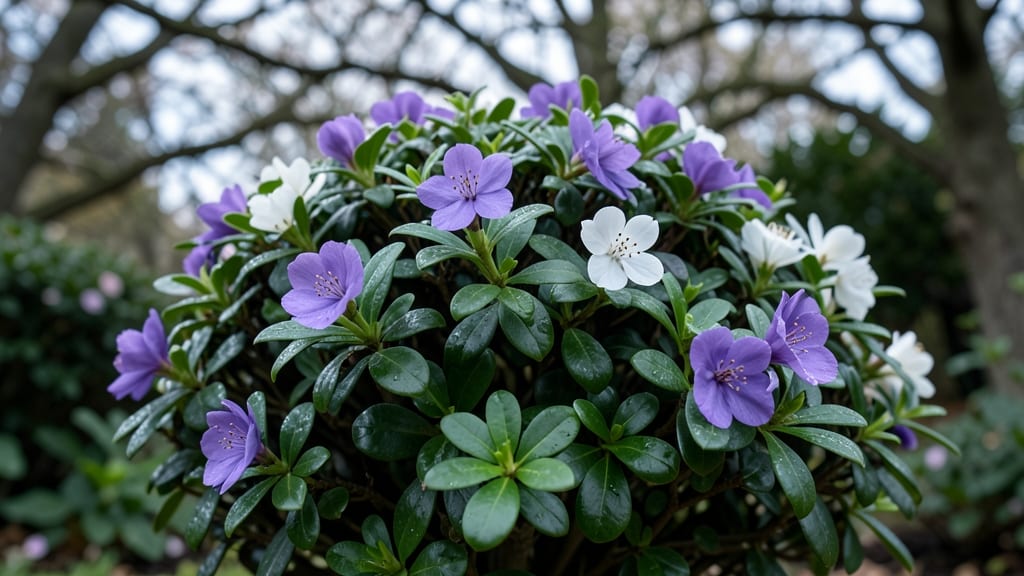
Spring’s fleeting beauty deserves shrubs that burst into color early and perfume the air. These 10 fragrant, cool-climate favorites bloom reliably, attract pollinators, and add lasting structure to gardens—perfect for gardeners who crave low-maintenance, high-impact plants.
Dwarf Lilac Shrubs for Compact Gardens
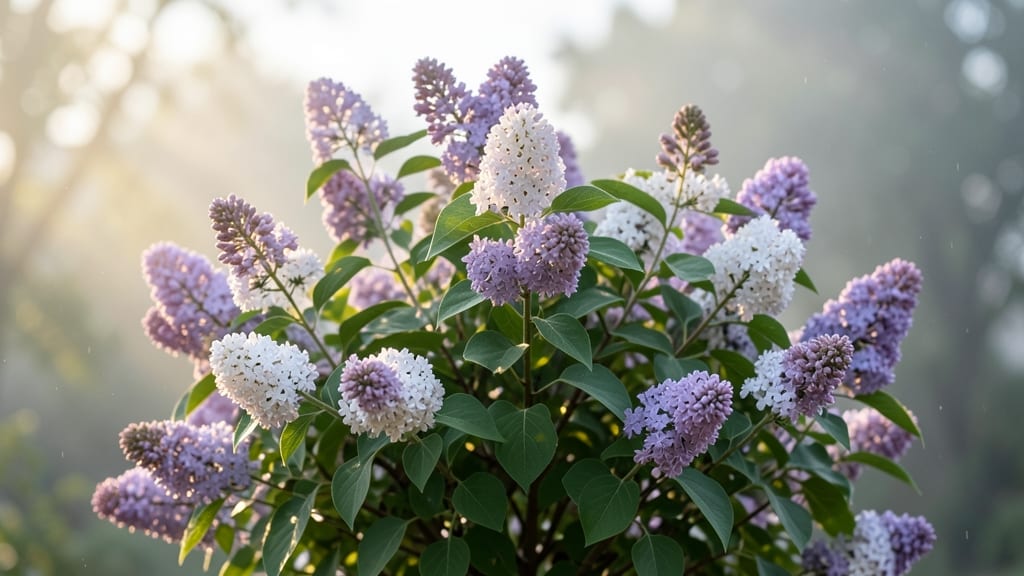
Tired of waiting until late spring for lilac fragrance? Dwarf lilac shrubs like 'Little Leaf' or 'Munstead' burst into bloom 2-3 weeks earlier than their standard counterparts, filling small spaces with intoxicating purple or white clusters. These compact varieties top out at just 3-5 feet tall, making them perfect for containers, narrow borders, or even window boxes.
With minimal pruning needs, they thrive in full sun to partial shade and handle urban conditions better than many shrubs. Simply trim spent blooms in early summer to encourage next year's flowers—no complex shaping required. The fragrance alone makes them worth growing, but their pollinator-friendly blooms add extra value for bees and butterflies.
Urban gardeners and balcony planters will love how these lilacs deliver year-round structure with minimal fuss. Just ensure well-draining soil and occasional watering during dry spells. 🌱
Forsythia Golden Showers for Bright Accents
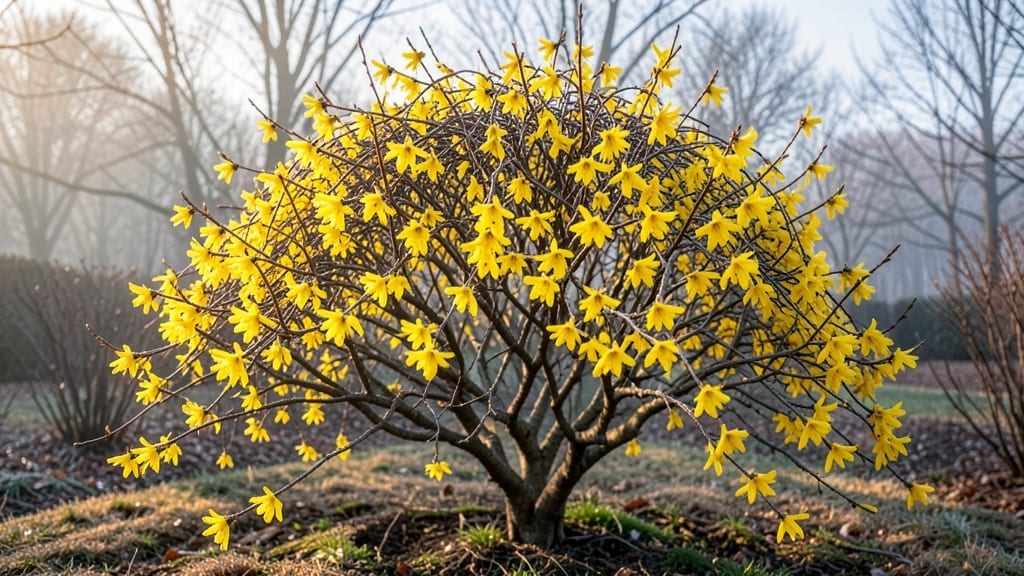
When the first hints of spring arrive and most gardens are still bare, forsythia bursts onto the scene with its bright yellow blooms, signaling that winter is finally over. This hardy shrub is one of the earliest to flower, often appearing in late winter or early spring before leaves fully emerge on nearby trees.
Thriving in full sun to partial shade, forsythia adapts effortlessly to urban environments, tolerating pollution and compacted soil—making it perfect for city gardens. Its cheerful yellow flowers create a striking contrast against winter's muted tones and attract early pollinators like bees. After blooming, its arching branches provide year-round structure, and it rarely requires pruning beyond occasional shaping.
Ideal for gardeners who want low-maintenance color and resilience, forsythia is especially great for small spaces or as a focal point near walkways. Its ability to thrive in tough conditions makes it a standout choice for both new and experienced gardeners alike. 🌻
Azalea Rhododendron for Long-Lasting Color
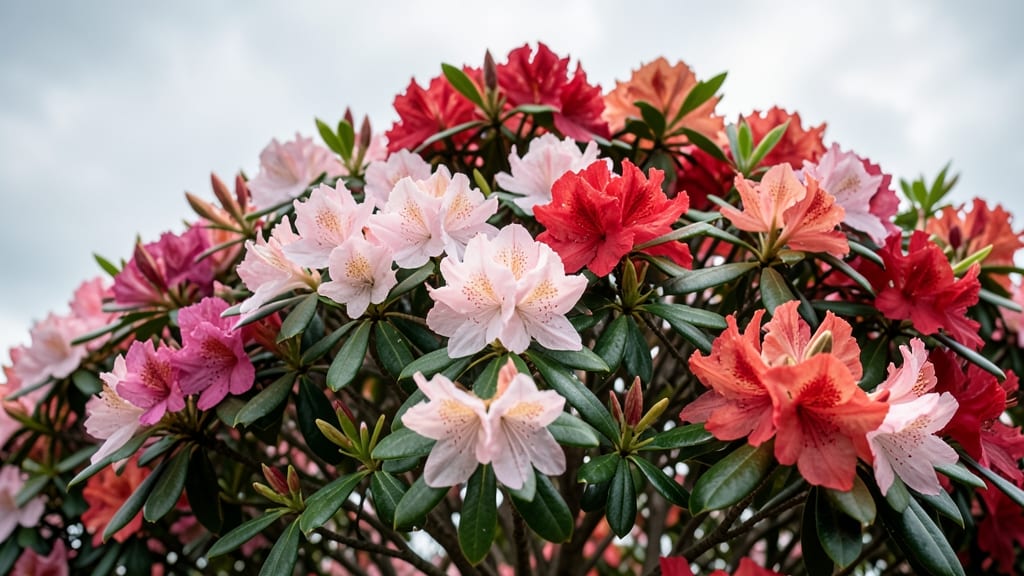
Want a shrub that turns heads with vibrant blooms for weeks—not just days? Azalea rhododendrons deliver 3-4 weeks of color in shades from soft pink to bold red, making them standout stars in spring gardens.
These acid-loving beauties thrive in partial shade to full sun and reward you with glossy foliage that stays attractive year-round. Plant them in well-draining, acidic soil (pH 4.5-6.0) and water consistently during their first year. Varieties like 'Girard's Pink' or 'Hino Crimson' offer reliable blooms with minimal fuss.
Perfect for gardeners who love long-lasting color without high maintenance, azaleas also attract pollinators and add texture to borders or woodland gardens. 🌷
Mock Orange Philadelphus for Sweet Fragrance
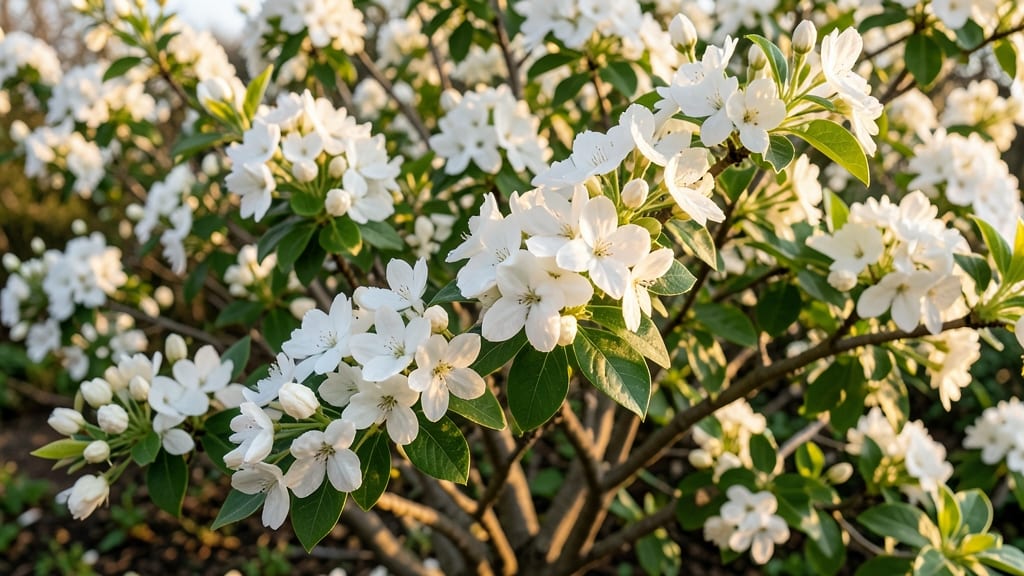
If you crave a garden that smells like a Mediterranean orchard in early spring, mock orange (Philadelphus) delivers with its intoxicating, citrusy fragrance—even though its blooms are pure white. This underrated shrub punches well above its weight, offering 4-6 weeks of blooms that start in late spring, often before most other shrubs even think about flowering.
Plant mock orange in full sun to partial shade where it can spread 4-6 feet wide, making it ideal for hedges, borders, or as a specimen shrub. Its bees love it, too—early pollinators flock to its nectar-rich flowers, giving your garden a head start on seasonal buzz. For cutting gardens, snip stems just as buds open; they’ll last 5-7 days in a vase with their signature orange-like scent.
Perfect for gardeners who want fragrance without fuss, mock orange thrives in USDA zones 4-9 and handles both dry spells and moist soils once established. Add it to your spring lineup for a sensory upgrade that lasts long after the blooms fade. 🌷
Weigela Flowering Shrubs for Hummingbirds
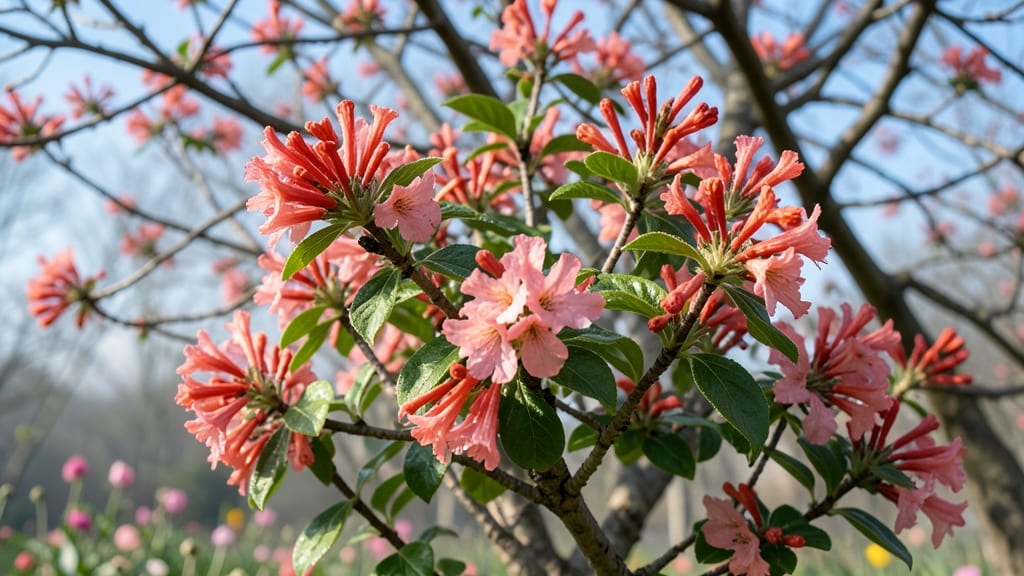
If you want to turn your garden into a hummingbird hotspot while enjoying vibrant spring color, weigela is your secret weapon. These deciduous shrubs produce tubular pink or red blooms that hummingbirds can't resist, often appearing as early as late April or May in many regions.
Weigela thrives in full sun to partial shade and handles a range of soil types, making it incredibly versatile. The real magic happens after pruning: new growth emerges from old wood, creating a bushy, tidy shape while rewarding you with another round of flowers. Varieties like 'Wine and Roses' offer deep burgundy foliage for extra visual appeal.
This shrub is perfect for gardeners who want wildlife-friendly plants with minimal fuss. Plant it near a window or patio to enjoy both the blooms and the hummingbird visitors up close. 🌻
Pieris Japonica for Evergreen Elegance
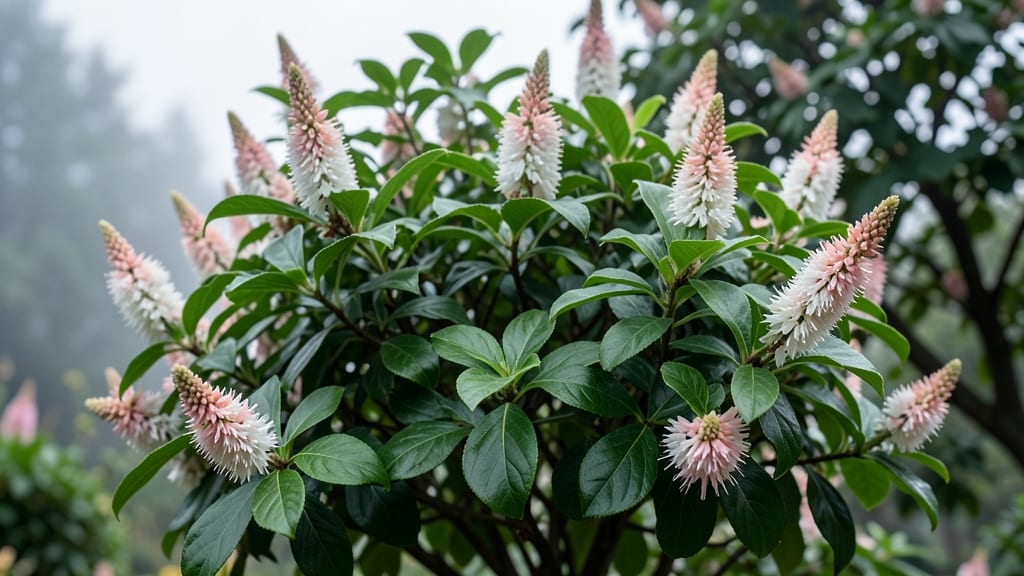
If you love shrubs that deliver spring color without sacrificing year-round structure, Pieris japonica is your secret weapon. Unlike most spring bloomers that fade after their flowers drop, this evergreen shrub puts on a stunning show of white or pink bottlebrush-like flowers in early spring—often before the leaves even appear—then keeps its glossy foliage vibrant through every season.
Thriving in partial shade to full sun, Pieris japonica adapts well to a range of conditions, including urban gardens with acidic soil. Its unique "candle-like" flower clusters create a focal point, while the deep green leaves provide a lush backdrop. For best results, plant in well-draining soil and prune lightly after flowering to maintain shape. This shrub is especially prized for its ability to handle winter chill and early spring frosts better than many other spring bloomers.
Perfect for gardeners who want low-maintenance structure with seasonal flair, Pieris japonica shines in foundation plantings, woodland gardens, or as a standout specimen. Its early blooms also make it a favorite for pollinators like bees, who emerge just as the flowers open. 🌿
Deutzia Shrubs for Delicate Clusters
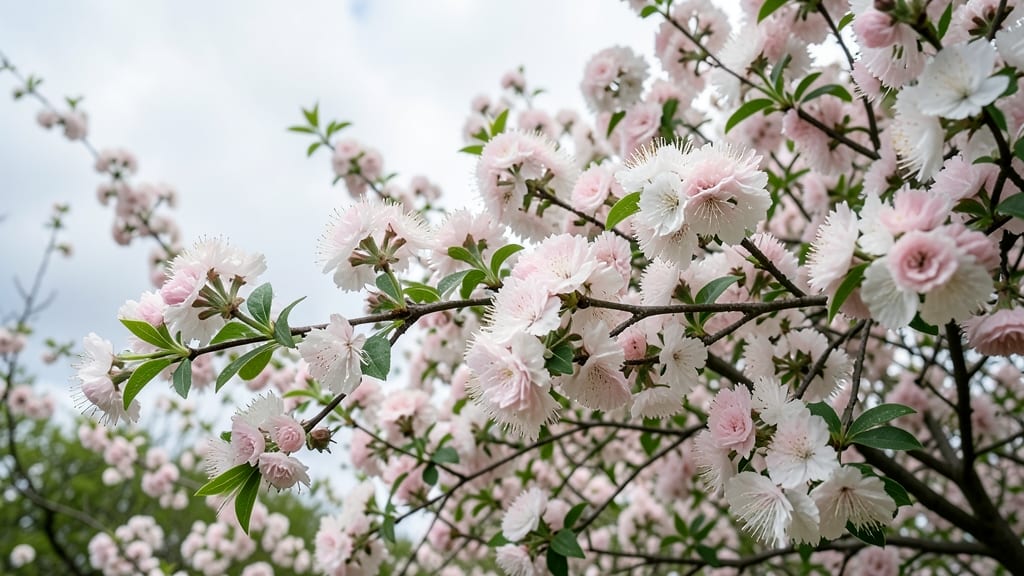
If you love soft, romantic blooms that feel like nature’s own lace, deutzia shrubs are your perfect spring companion. These underrated beauties produce airy clusters of white or blush-pink flowers that dance in the breeze, creating a dreamy focal point in any garden.
Unlike many spring bloomers, deutzia thrives in partial shade, making it ideal for wooded edges or north-facing beds where full sun isn’t an option. Its cut-flower potential is a hidden gem—stems last beautifully in vases, adding delicate texture to arrangements. Prune lightly after blooming to encourage bushier growth, and watch it reward you with 3-4 weeks of effortless elegance in late spring.
Perfect for gardeners who prefer low-maintenance charm over high-drama blooms, deutzia also handles urban conditions well. 🌷
Spirea Anthyllis for Late-Season Color
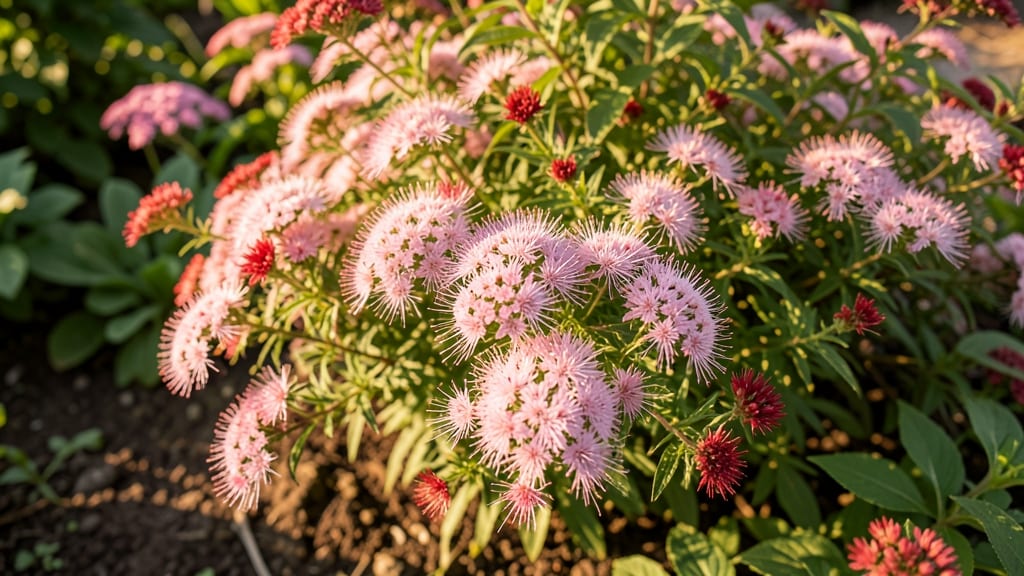
When other spring bloomers start to fade, Spirea Anthyllis steps in to steal the show with its late-season feathery flowers in soft pink or bold red hues. This hardy shrub thrives in full sun to partial shade, making it a versatile choice for almost any garden spot.
Once established, Spirea Anthyllis becomes incredibly drought-tolerant, requiring minimal watering once its roots take hold. Its airy, cloud-like blooms create a stunning visual effect when planted in hedges or mass plantings, adding texture and movement to borders. Prune lightly after flowering to maintain shape and encourage next year’s blooms.
Perfect for gardeners seeking low-maintenance yet high-impact plants, this shrub also attracts pollinators like butterflies, extending its seasonal benefits. 🌻
Camellia Sasanqua for Winter-to-Spring Blooms
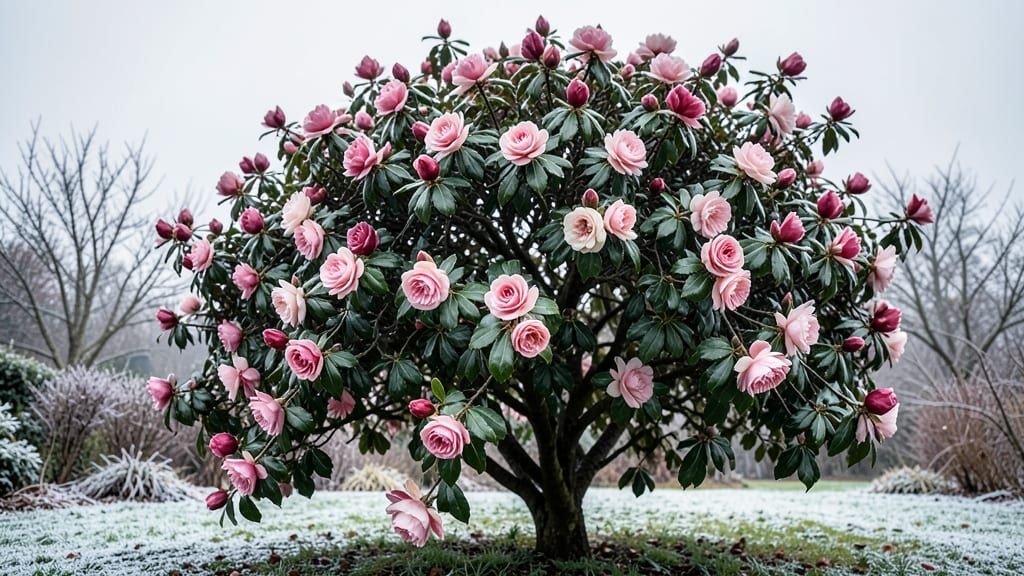
When most gardens sleep under winter frost, Camellia sasanqua defies the season with its stunning rose-like blooms. This underrated shrub thrives in cool, maritime climates like the Pacific Northwest, offering color from late fall through spring—perfect for extending your garden's seasonal show.
Choose from varieties like 'Yuletide' (deep pink) or 'Shishi-Gashira' (semi-double white) that bloom reliably even in mild winters. Plant in partial shade with well-draining, acidic soil (pH 5.5-6.5) and water regularly until established. Prune lightly after flowering to maintain shape, and enjoy low-maintenance elegance with minimal fuss.
Ideal for gardeners seeking winter interest or those with cooler microclimates, this shrub adds sophistication to borders, hedges, or as a standalone specimen. 🌷
Daphne Odora for Intense Fragrance

If you crave a garden that smells like a secret perfume factory, Daphne Odora is your star player. This compact shrub bursts into intensely fragrant purple or white blooms in early spring—often before most other plants even think about waking up.
Thriving in partial shade, it’s perfect for small gardens or containers where space is limited. The fragrant flowers (which smell like a mix of orange blossoms and jasmine) appear on bare stems in late winter or early spring, creating a stunning display that lasts 2-3 weeks. Just be sure to plant it in well-draining soil to prevent root rot, and avoid heavy pruning—this shrub prefers a natural, slightly wild look.
Ideal for urban gardeners, balcony planters, or woodland-edge plantings, Daphne Odora brings a sensory experience no other spring shrub can match. 🌷