
Blooming
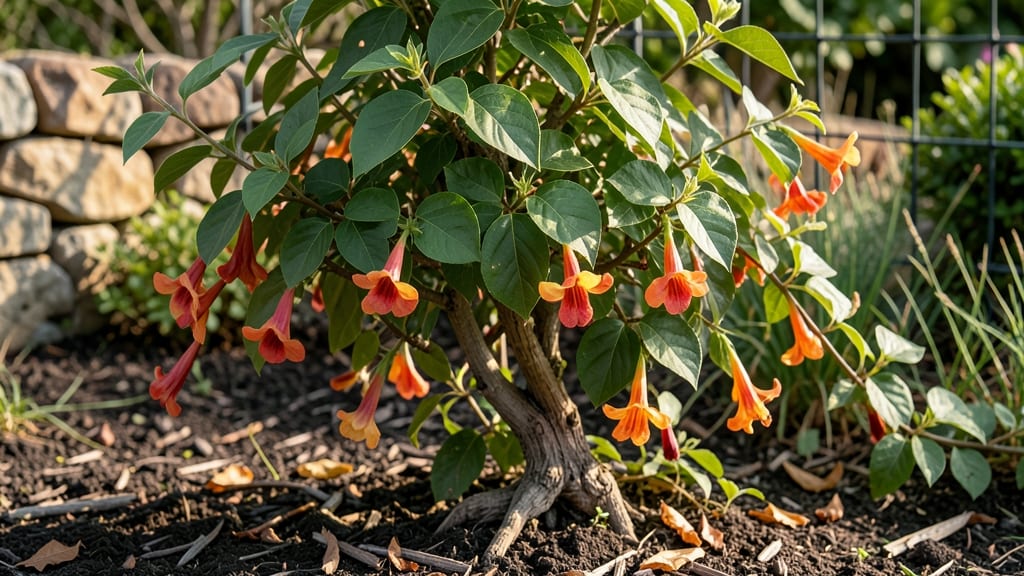
The trumpet vine bloom time in late spring through summer lights up gardens with fiery orange-red flowers from June to September in most regions.
If you’ve ever wondered why your trumpet vine flowers seem to bloom in mysterious waves—despite your best care—chances are, sunlight exposure is the hidden trigger.
In USDA Zone 6a, where I garden, the first flush of blooms arrives in early June, fueled by long daylight hours and warm soil. But here’s the catch: without enough sunlight, those vibrant flowers might never appear—or they’ll fade quickly.
Below, I’ll break down the exact bloom stages by month, how sunlight (or lack of it) shifts timing, and three pruning tricks to coax more flowers all season long.
Trumpet vine bloom time by month: sunlight-dependent stages explained
Trumpet vines (Campsis radicans) are sun lovers, and their bloom schedule follows a strict sunlight-dependent rhythm. In USDA Zones 5-10, their fiery orange-red flowers emerge in waves tied to daylight hours, with peak performance in summer months.
Understanding this cycle helps you time pruning, fertilizing, and support structures for maximum impact.
Early bloomers in Zone 9-10 may start as early as March-April, while cooler Zones 5-6 often wait until May-June when temperatures rise above 60°F consistently. The key trigger? 6-8+ hours of direct sunlight daily—any less, and you’ll see delayed or sparse blooms.
| Month | Bloom Stage | Sunlight Needs | Care Tip |
|---|---|---|---|
| March-April | Bud Formation (Zones 9-10) | 6+ hours | Prune dead growth; fertilize lightly |
| May-June | Peak Blooms (All Zones) | 8+ hours | Water deeply; support vines |
| July-August | Reblooming (Zones 7-10) | 6-8 hours | Trim spent blooms; feed monthly |
| September | Late Blooms (Zones 9-10) | 5-6 hours | Reduce water; prepare for dormancy |
In May-June, trumpet vines hit their peak bloom across all zones, provided they receive full sun exposure. This is when you’ll see those trumpet-shaped flowers in their most vibrant form.
For Zone 9-10 gardeners, this period can stretch into July-August with a second flush of blooms, especially if daytime temperatures stay below 90°F.
July and August bring reblooming potential in warmer zones, but only if your vine gets consistent sunlight. If your trumpet vine is in partial shade, expect fewer flowers and weaker growth.
This is also the time to prune lightly—removing 1/3 of last year’s growth encourages new blooms while maintaining vigor.
By September, most trumpet vines in Zones 5-7 begin their dormancy phase, though Zone 9-10 varieties may linger with late-season blooms. Reduce watering and fertilizing to prep for winter, but leave the vines intact—they’ll regrow faster in spring with their established root system.
Winter (December-February) is the dormant period for trumpet vines in Zones 5-7, but even in Zone 8-10, growth slows dramatically. This is the perfect time to plan next year’s support structure—whether a trellis, arbor, or fence—since vines can grow 10-15 feet per year once established.
When spring arrives, March-April in warmer zones signals new growth and bud formation. In cooler climates, wait until after the last frost (typically mid-April in Zone 6) before fertilizing. A balanced 5-10-10 fertilizer applied in early spring jumpstarts blooming for the season.
For container-grown trumpet vines, bloom times may shift slightly due to limited root space. These vines often need more frequent watering (every 2-3 days) and may bloom 2-4 weeks later than in-ground varieties. Choose large containers (15+ gallons) to minimize delays.
Pro tip: Mulch around the base in early spring to retain moisture and insulate roots. This small step can extend your vine’s bloom season by 2-3 weeks in cooler zones by keeping soil temperatures stable. Pair this with a south-facing trellis to maximize sunlight exposure.
How sunlight exposure affects trumpet vine bloom timing (Zone-specific guide)
Sunlight isn’t just fuel for your trumpet vine—it’s the master clock controlling when those vibrant orange-red blooms appear.
In Zone 6, for example, buds typically form in late May after 6+ hours of daily sun, while Zone 9 vines may start blooming as early as March thanks to year-round warmth. The difference? Sunlight intensity and day length trigger blooming at different times.
Your vine’s bloom timing also depends on how much direct sunlight it receives. A south-facing trellis in Zone 7 might push blooms into June-July, while partial shade could delay them until August. Even a 1-hour daily reduction in sunlight can shift bloom windows by weeks.
To extend your trumpet vine’s bloom time, focus on maximizing sunlight exposure. In shadier climates (like Zone 5), use reflective surfaces like white walls or mirror panels to bounce extra light onto the vines. Even pruning nearby trees can add critical sunlight hours.
In warmer zones (8-10), your vine may produce two bloom cycles—one in spring and another in fall. To encourage this, ensure consistent afternoon sun (after 2 PM) during summer. Morning sun alone won’t trigger the second flush of blooms.
If your trumpet vine blooms late or sparsely, check for light deprivation. Move it to a sunnier location immediately—once established, vines are sun-hungry and won’t rebloom without 6+ hours of direct light daily. A south-facing fence or roof trellis often solves the problem.
Pro tip: In northern zones (4-6), plant your trumpet vine near a heat-absorbing surface like a brick wall or dark mulch. This creates a microclimate that mimics warmer zones, pushing blooms 2-3 weeks earlier in the season.