
Blooming
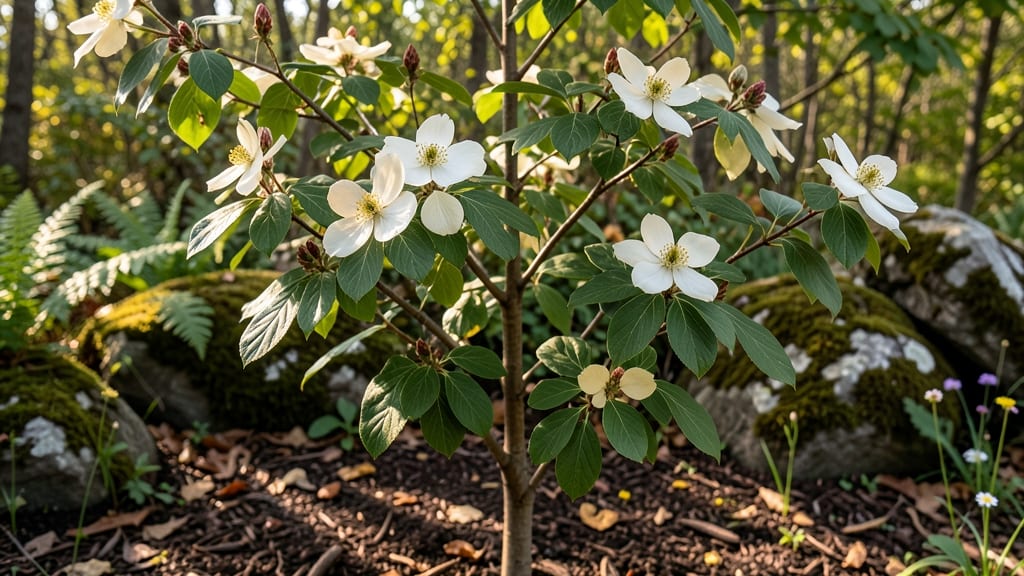
A dogwood bloom looks like a delicate, star-shaped cluster with four small, true petals surrounded by four larger, showy bracts that create the illusion of bigger petals. These blooms typically appear in white, soft pink, or deep red hues during early spring, offering a striking contrast against the tree's bare branches.
A dogwood's signature beauty comes from its clever botanical trick: those eye-catching "petals" you see aren't actually petals at all—they're bracts, modified leaves that frame the true flowers. 🌸 The flowering dogwood (Cornus florida) produces these classic blooms in spring, while its cousin, the Pacific dogwood, sports even larger bracts that can reach up to 4 inches across.
What's fascinating is how these trees transform throughout the seasons, with summer foliage and autumn berries adding layers of visual interest that keep gardens vibrant year-round.
These blooms aren't just pretty—they're also surprisingly durable. Unlike many spring flowers that wilt quickly, dogwood blooms often last 2-3 weeks on the tree, providing extended curb appeal.
The color variations are equally impressive: while white dogwoods like 'Cherokee Brave' offer pure elegance, red varieties such as 'Rubra' create bold focal points, and pink-hued 'Stella' adds soft contrast. This seasonal versatility makes dogwoods one of the most reliable choices for gardeners seeking four-season interest.
💡 In This Article
- Identifying Dogwood Flower Types and Their Unique Structures
- Best Dogwood Varieties for Year-Round Garden Beauty
Identifying dogwood flower types and their unique structures
The most iconic dogwood bloom comes from the flowering dogwood (Cornus florida), where you'll find four small, creamy-yellow true petals—each about ½-inch wide—surrounded by four larger, showy bracts that create the illusion of bigger petals.
These bracts are actually modified leaves that turn white, pink, or deep red, depending on the cultivar. The true flowers sit in the center like a tiny star, while the bracts form the outer "petals" that catch your eye from 15-20 feet away.
Now compare this to the Pacific dogwood (Cornus nuttallii), where the bracts grow even larger—up to 4 inches across—and the true flowers are nearly hidden.
The Pacific variety's blooms resemble peonies in scale, with a more dramatic, almost tropical appearance. 🌸 What's fascinating is how these bracts develop: they emerge as green buds in late winter, then swell and color up as temperatures rise, creating a gradual transformation that's visible from your window.
The true flowers, meanwhile, are so small they're often overlooked by casual observers.
Seasonal shifts add another layer of complexity. After spring blooms fade, dogwood trees produce clusters of bright red berries in fall that persist through winter, offering food for birds and visual interest when most gardens go dormant.
The berries start as green fruits but ripen to a glossy red by September-October, creating a striking contrast against the tree's changing foliage. This four-season progression is what makes dogwoods so reliable in landscape design.
Here's where things get botanically clever: the bracts aren't just decorative—they perform a critical function. Their large surface area helps reflect sunlight away from the true flowers, preventing overheating during spring's variable temperatures.
This adaptation explains why dogwoods thrive in USDA zones 5-9, where they face everything from late frosts to sudden heat waves. The tree's ability to balance aesthetics with survival strategies is what makes its blooms so resilient.
For gardeners, this means you can plant dogwoods with confidence—they'll deliver color even when other spring flowers struggle. The key is choosing varieties that match your climate: white dogwoods like 'Cherokee Princess' handle colder zones well, while red varieties such as 'Miss Satomi' prefer milder winters.
The bracts' size and color intensity also vary by species, with Pacific dogwoods offering the most dramatic display.
What most people don't realize is how the tree's structure supports these blooms. Dogwoods have a unique branching pattern where the main trunk often splits into multiple limbs at 4-6 feet off the ground, creating an open canopy that lets light filter through to the bracts below.
This architectural feature ensures even the lower branches get to show off their flowers, making dogwoods perfect for small yards where every inch counts.
To truly appreciate a dogwood bloom, get up close during peak season—you'll notice the subtle texture of the bracts, which feel slightly leathery to the touch. The true flowers emit a faint, sweet fragrance that's barely perceptible but adds to the overall charm.
This combination of visual drama and subtle sensory details is what makes dogwoods one of nature's most sophisticated floral designs. 💫