
Blooming
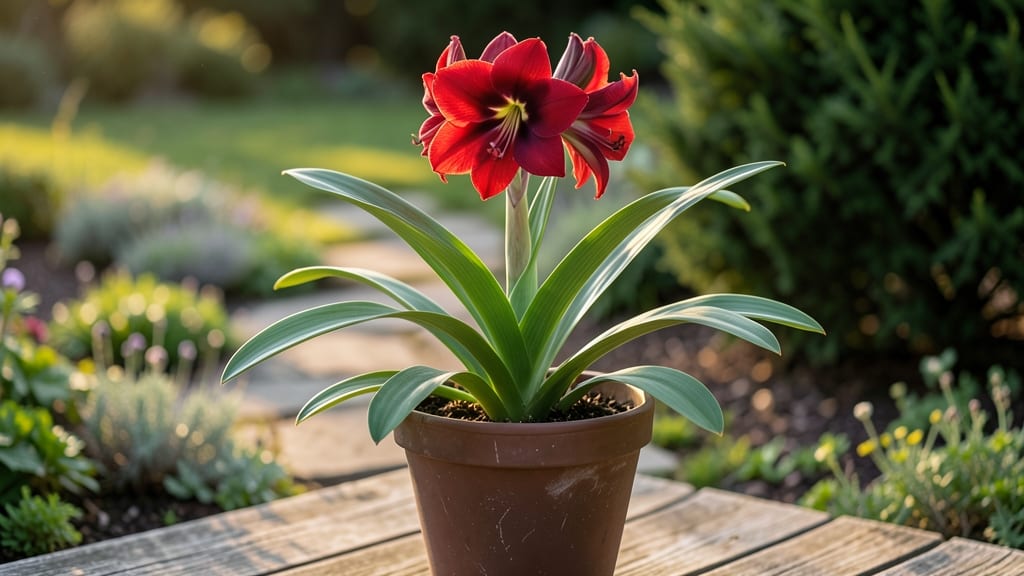
Amaryllis bloom outdoors when planted in late summer to early fall 🌸 — a window that aligns with their natural dormancy cycle and ensures vibrant flowers by spring.
If you’ve ever planted amaryllis bulbs outdoors hoping for stunning blooms—only to be left wondering why they never flowered—timing is the missing piece. Unlike forced indoor blooms, outdoor amaryllis (Hippeastrum spp.) thrive on seasonal cues, but their flowering window varies dramatically by climate zone.
In USDA Zone 6a, where frost arrives by October, bulbs need 6-8 weeks of root establishment before winter dormancy kicks in. Plant too late, and they won’t bloom until the following year—or worse, they’ll rot in cold, soggy soil.
But get the timing right, and you’ll reward yourself with dramatic, cup-shaped flowers by late spring.
Below, I break down the exact planting windows by zone, how to adjust for early or late frosts, and the one care trick that guarantees blooms—no matter where you live.
Outdoor amaryllis blooming seasons by USDA climate zones: a year-round guide
Amaryllis (Hippeastrum spp.) bulbs planted outdoors follow natural seasonal cues rather than forced indoor schedules. Their blooming windows shift dramatically across USDA zones 7–11, where frost sensitivity and dormancy periods dictate when you’ll see those showstopping flowers.
Unlike their indoor counterparts, outdoor amaryllis need 6–8 weeks of warm soil before blooming, making timing everything.
In cooler zones (7–8), blooms typically arrive in late spring to early summer (May–June), while warmer zones (9–11) enjoy extended seasons from fall through winter (October–March). Understanding your zone’s first frost dates and dormancy triggers ensures you plant bulbs at the perfect time for first-year blooms.
| USDA Zone | Blooming Window | Ideal Planting Month | Dormancy Period | Frost Sensitivity |
|---|---|---|---|---|
| 7–8 | Late May–June | August–September | July–August | High (damaged by frost) |
| 9 | October–December | June–July | January–February | Moderate (light frost risk) |
| 10–11 | November–March | April–May | None (year-round) | Low (frost-free) |
🌱 Note: Plant bulbs 6–8 inches deep in well-draining soil for best results.
In Zone 7–8, where frost is a real threat, plant bulbs in late summer (August–September) to give them time to establish roots before winter. They’ll bloom in late spring when soil temperatures rise above 60°F.
Mulch heavily in fall to protect bulbs from freezing temperatures, which can kill foliage but rarely the bulb itself.
Zones 9–11 offer the longest blooming windows, with some varieties flowering year-round if planted correctly.
In these areas, aim for spring planting (April–May) to align with natural rainfall patterns. Southern California growers often see blooms from November through March, while Florida’s microclimates can extend this to year-round with minimal dormancy.
First-time growers often make the mistake of planting too early in cool zones or expecting blooms immediately after planting. Amaryllis bulbs need 6–8 weeks of root growth before producing flowers.
For Zone 7, this means planting in August for May blooms, while Zone 10 plantings in April yield fall flowers.
Watch for foliage yellowing after blooming—this signals the plant’s dormancy phase. In cooler zones (7–8), reduce watering and stop fertilizing by July to encourage bulb storage. In warmer zones (9–11), you can lightly water year-round but avoid overwatering, which causes rot.
Pro tip: Use a soil thermometer to monitor temperatures. Amaryllis bulbs need soil at 60°F+ to trigger blooming. In Zone 7, wait until soil warms in late spring before expecting flowers. In Zone 10, plant in spring for fall blooms when days shorten.
If your amaryllis fails to bloom outdoors, check these three common issues:
- Planting too early (bulbs need warm soil to flower)
- Insufficient sunlight (they need 6+ hours of sun)
- Overwatering (bulbs rot in soggy soil)
🌸
For extended blooming, try successive planting: plant half your bulbs in August and the rest in September (Zone 7). This spreads blooms over 4–6 weeks. In warmer zones, stagger plantings in spring and fall for year-round color
How to time planting for maximum outdoor amaryllis blooms: soil, sun, and temperature secrets
Amaryllis (Hippeastrum spp.) bulbs planted outdoors need precise timing to trigger blooms. Unlike indoor forcing, outdoor amaryllis rely on natural temperature shifts and soil warmth to initiate flower stems.
In USDA Zones 7-9, this typically means planting 6-8 weeks before first frost—usually late summer to early fall—for spring blooms. But timing isn’t one-size-fits-all; your local microclimate and sun exposure play critical roles.
Start by testing your soil temperature with a thermometer—ideal planting conditions require soil to be 60-65°F (15-18°C). Cooler soils delay root growth, while overly warm soils can stress bulbs. Pair this with 6+ hours of sunlight daily; partial shade may delay blooming by 2-4 weeks.
For example, my Zone 8 garden gets full sun until 4 PM, so I plant amaryllis by August 15th to ensure blooms arrive by April.
⚠️ Common Mistake: Planting Too Early or Late
Planting amaryllis bulbs before soil warms (below 60°F) or after first frost disrupts their natural dormancy cycle. This often results in no blooms or weak stems. For instance, bulbs planted in Zone 9 in October may not bloom until late May—if at all—due to winter chilling requirements. Use a soil thermometer to confirm readiness, and adjust planting dates based on your last frost date.
Once planted, focus on consistent moisture without soggy soil. Water deeply once a week during establishment, then reduce to bi-weekly once roots form. Overwatering in cool, wet springs can cause bulb rot, while underwatering stresses plants and delays blooms.
I add 2 inches of mulch around bulbs in Zone 7 to retain moisture and regulate soil temps—critical for spring blooming.
Fertilization is another key timing factor. Apply a balanced 10-10-10 fertilizer at planting, then again in early spring (March-April) as shoots emerge. Avoid high-nitrogen feeds, which promote leafy growth over flowers.
My Zone 8 amaryllis receive a light feed in September to jumpstart root development before winter dormancy. Skip fertilizing in dormant months (November-February)—this mimics their natural cycle.
Troubleshooting delayed blooms? Check these three factors:
- Soil temperature (too cold?),
- Sun exposure (less than 6 hours?), or
- Bulb size (smaller than 3 inches?).
I once had no blooms until I moved my amaryllis to a sunnier spot—adding 2 extra hours of sunlight triggered blooms within 6 weeks. If bulbs are healthy but flowers fail to appear, they may need 1-2 years of establishment before blooming outdoors.
For reliable outdoor blooms, align planting with your local frost dates, monitor soil warmth, and prioritize sun exposure. With these adjustments, your amaryllis will reward you with bold, cup-shaped blooms year after year—no indoor forcing required! 🌸