
Blooming
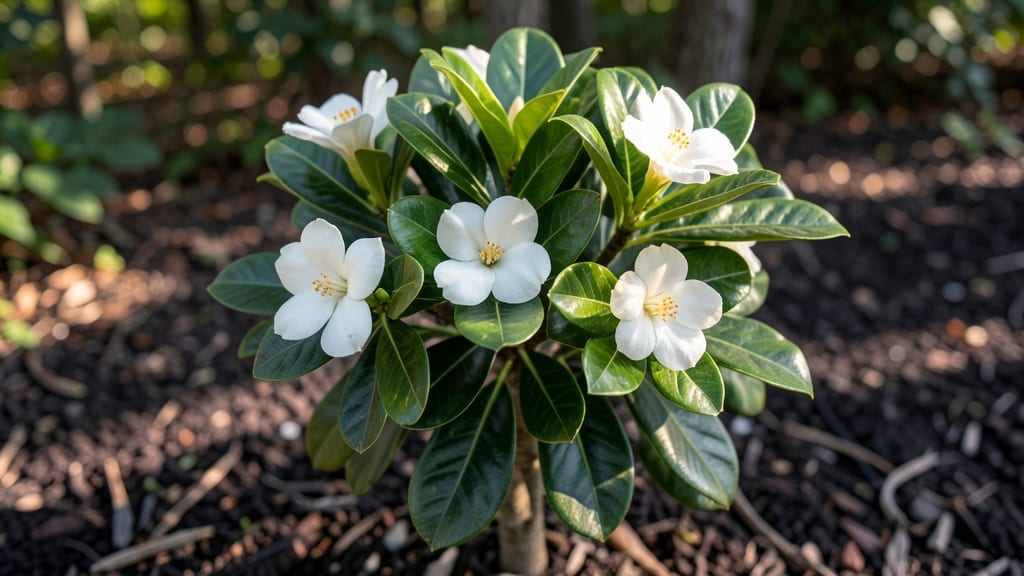
Gardenias bloom in Florida between late spring and early summer 🌸, but the exact timing depends on your zone and the variety you’re growing.
Florida gardenia lovers know that timing is everything—miss the blooming window, and you’ll lose out on those intoxicating, creamy-white flowers and heavenly fragrance.
In North Florida’s 9a-11 zones, blooms often kick off in May, while South Florida’s warmer climate can trigger flowers as early as April. Varieties like Cape Jasmine may bloom slightly earlier, while classic gardenias prefer the heat of late spring.
Below, I’ll break down the peak bloom months by region, how to extend your gardenia’s show, and the simple care tweaks that make all the difference in Florida’s humid climate.
Florida gardenia blooming seasons by climate zone (with exact months)
Florida’s gardenias are famous for their creamy-white blooms and intoxicating fragrance, but their blooming windows vary dramatically depending on your climate zone. Unlike many plants, gardenias thrive year-round in Florida, but they peak in different months based on temperature, humidity, and microclimates.
If you live in North Florida, your gardenias may bloom earlier than those in the Florida Keys, where the climate stays warm year-round.
Understanding these patterns helps you time pruning, fertilization, and pest control for maximum blooms. Gardenias prefer 75–85°F temperatures and high humidity, which Florida provides—but coastal areas stay moister longer, while inland zones may experience shorter bloom windows due to drier air.
Let’s break down the exact months for each zone to help you plan your garden’s fragrance schedule.
🌸 Key Takeaway: Gardenias in North Florida bloom from late spring to early fall, while those in the Keys can flower year-round with proper care.
In North Florida, gardenias wait for warmer weather to bloom, typically starting in May and lasting through September. The peak fragrance months are June and July, when temperatures hover around 80–85°F and humidity is high.
If you’re in Gainesville or Jacksonville, expect fewer blooms in winter due to cooler temperatures, but they’ll rebound strongly in spring.
Central Florida gardeners enjoy a longer blooming season, from April to October, with fragrance peaking in May through August. Cities like Orlando and Tampa benefit from Florida’s humid subtropical climate, which keeps gardenias thriving.
However, summer heat waves (above 90°F) can stress plants, so provide afternoon shade to protect blooms.
South Florida’s gardenias are the most prolific bloomers, with flowers appearing from February to November. The Keys and Miami experience two peak fragrance periods: spring (March–June) and fall (September–October).
The tropical climate allows for year-round blooming if conditions are ideal, but hurricane season (June–November) can damage flowers, so prune lightly before storms.
For Panhandle gardeners, blooms are more seasonal, typically from June to September, with peak fragrance in July and August. The drier air in this region means gardenias may need extra watering to maintain blooms.
If you’re in Pensacola or Tallahassee, mulching is key to keeping roots cool and moisture levels consistent.
The Florida Keys offer the most unique blooming pattern, with gardenias capable of flowering year-round. However, they peak twice annually: in January–February and September–October.
The lack of frost and steady warmth create ideal conditions, but salt spray from coastal winds can damage leaves—rinse plants occasionally to keep them healthy.
To maximize your gardenia’s blooms, prune after flowering (not in summer) and fertilize with acidic blends in spring and fall
How to extend your gardenia’s blooming season in Florida (pruning & care tips)
Florida’s gardenias thrive year-round, but their blooming season can feel short if you don’t optimize care. The key to longer, more abundant blooms lies in strategic pruning, fertilizer timing, and watering adjustments tailored to Florida’s unpredictable wet and dry cycles.
Unlike other plants, gardenias respond best to post-bloom pruning—not the traditional dormant-season trim. This encourages new growth and sets the stage for next season’s flowers.
Most gardenias in Florida bloom from early spring to summer, but with the right care, you can stretch that window into fall and even winter. The secret?
Mimicking their natural tropical environment by keeping soil consistently moist (but never soggy) and feeding them with high-phosphorus fertilizers during their active growth phases. Florida’s humidity also makes them susceptible to pests like scale and aphids, which can sap energy meant for blooming.
⚠️ callout tip ⚠️
In Florida’s Zone 9a-11, gardenias typically bloom from March to July, with peak fragrance in April and May. However, Cape Jasmine (Gardenia jasminoides) varieties may extend blooming into fall if given proper care. Coastal areas (like Miami) enjoy longer bloom windows due to warmer winters, while North Florida may see shorter seasons unless protected from light frosts.
💡 Pro Tip: Monitor your plant’s bud formation—new buds forming after pruning signal it’s ready for phosphorus-rich fertilizer to boost blooms.
Start with post-bloom pruning in late summer (August-September) to remove spent flowers and shape your gardenia. This triggers new growth that will flower in spring. Avoid heavy pruning in winter, as gardenias are semi-dormant and need energy to recover.
Use clean, sharp shears to cut just above a leaf node, and never prune more than one-third of the plant at once.
Florida’s acidic soil (pH 5.0-6.0) is ideal for gardenias, but many local soils are alkaline. Test your soil and amend with sulfur or peat moss if needed. Feed your gardenia with a balanced acidic fertilizer (6-6-6 or 8-3-9) every 4-6 weeks from spring to early fall.
Skip winter feedings—this mimics their natural tropical rhythm and prevents overgrowth at the expense of blooms.
Watering is where Florida gardeners often go wrong. Gardenias need consistent moisture, but soggy soil leads to root rot. Water deeply 2-3 times per week during dry spells, but reduce frequency in wet seasons (like Florida’s summer rains).
Always water at soil level, not the leaves, to prevent fungal diseases. Mulch with pine bark to retain moisture and acidify the soil naturally.
Watch for scale insects and aphids, which thrive in Florida’s humidity and can stunt blooming. Spray plants with neem oil or insecticidal soap at the first sign of sticky residue (honeydew) on leaves.
For severe infestations, use a systemic insecticide like imidacloprid, but follow up with beneficial insects (ladybugs) to maintain balance. Healthy leaves mean more energy for fragrant blooms!