
Blooming
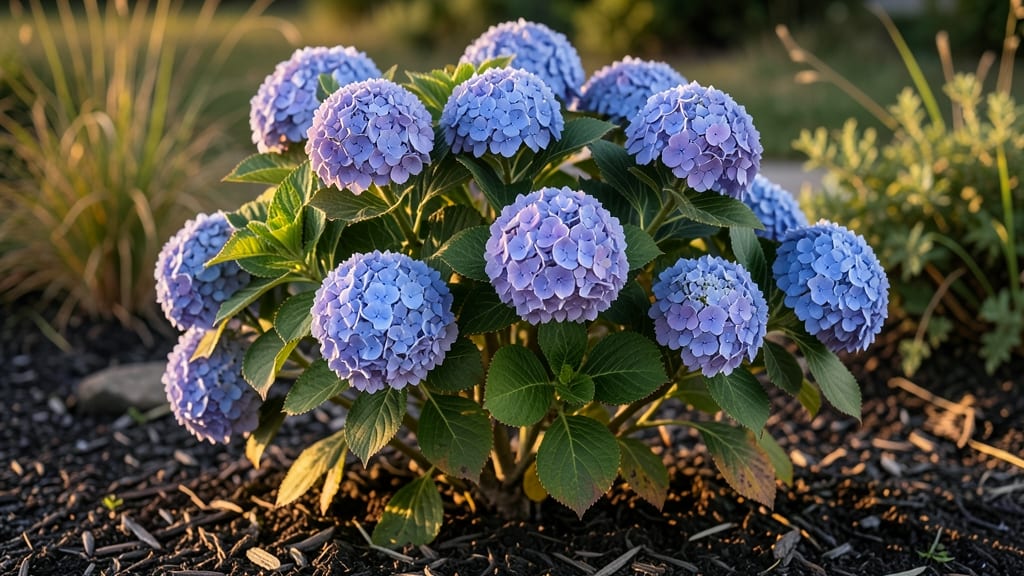
Hydrangeas bloom in Florida from late spring through summer, typically between March and June, though exact timing varies by variety—mophead types often flower in May, while panicle hydrangeas may bloom as late as July. Florida’s warm climate accelerates growth compared to northern regions.
Florida’s frost-free winters and long growing season create ideal conditions for hydrangeas, pushing bloom cycles earlier than in cooler climates. 🌸 Unlike northern states where blooms wait for spring warmth, Florida’s hydrangeas often start showing buds by February in mild zones, with peak color appearing between April and June.
The key difference lies in variety—mophead hydrangeas like 'Nikko Blue' typically shine in May, while panicle types such as 'Little Lime' extend the show into July or even August with proper care.
This extended bloom window means gardeners can enjoy vibrant flowers for up to four months, provided they manage moisture and shade. 💧 The heat can stress plants, so consistent watering and afternoon shade help maintain those show-stopping blooms longer than in more temperate regions.
💡 In This Article
- Florida Hydrangea Bloom Cycles by Variety
- Tips for Extending Hydrangea Blooms in Florida Heat
Florida hydrangea bloom cycles by variety
Florida’s frost-free winters and consistent warmth create a unique bloom cycle for hydrangeas. Unlike northern climates where cold snaps delay blooming, Florida’s hydrangeas often begin bud formation as early as February in the southernmost zones.
The warm temperatures accelerate growth, allowing plants to push flowers weeks ahead of their northern counterparts. This early start is particularly noticeable in varieties like 'Endless Summer', which thrives in Florida’s heat and can produce blooms in March or April under ideal conditions.
The three main hydrangea types—mophead, panicle, and oakleaf—each respond differently to Florida’s climate. Mophead varieties such as 'Nikko Blue' typically peak in May, while panicle types like 'Limelight' extend their show into July or August due to their heat tolerance.
Oakleaf hydrangeas, with their unique foliage, often bloom slightly later than mopheads but earlier than panicles, creating a staggered display. The key difference lies in their heat tolerance: panicle hydrangeas handle Florida’s summer heat better than mopheads, which may wilt under prolonged exposure to temperatures above 90°F.
Florida’s humidity also plays a crucial role in bloom timing. High moisture levels can accelerate growth but may also stress plants if not managed properly. For example, 'Annabelle' hydrangeas, a popular panicle variety, often bloom in June in Florida, whereas they might wait until July in drier climates.
The extra humidity helps maintain vibrant blooms longer, but it also increases the risk of fungal diseases if plants aren’t given adequate airflow. This is why proper spacing and pruning are essential for extending the bloom season in Florida’s humid environment.
One of the most exciting aspects of growing hydrangeas in Florida is the potential for reblooming throughout the season. Varieties like 'Endless Summer' are bred specifically to produce multiple flushes of flowers, meaning they can bloom in spring, summer, and even fall with consistent care.
This reblooming capability is a direct result of Florida’s extended growing season, where temperatures rarely drop low enough to trigger dormancy. In contrast, northern hydrangeas often produce just one flush of blooms per year, typically in late spring or early summer.
For gardeners looking to maximize bloom time, understanding these variety-specific cycles is key. Mopheads like 'Blue Wave' may need afternoon shade to prevent wilting, while panicles like 'Little Lime' can handle full sun with proper hydration.
Oakleaf varieties, such as 'Snow Queen', often produce their best blooms in partial shade but reward gardeners with stunning fall foliage as a bonus. The interplay between variety, climate, and care creates a dynamic bloom cycle that can stretch from March through October in Florida’s optimal conditions.
What most gardeners don’t realize is that Florida’s climate also affects the color intensity of hydrangea blooms. The high humidity and consistent warmth can lead to more vibrant hues, especially in varieties like 'Penny Mac' or 'Vanille Fraise'.
However, soil pH plays an equally important role—acidic soils (pH 5.5) produce blue flowers, while alkaline soils (pH 6.5-7.0) yield pink blooms.
Florida’s sandy soils are naturally acidic, which is why blue hydrangeas often thrive without additional amendments, while pink varieties may require lime to achieve their best color.