Blooming
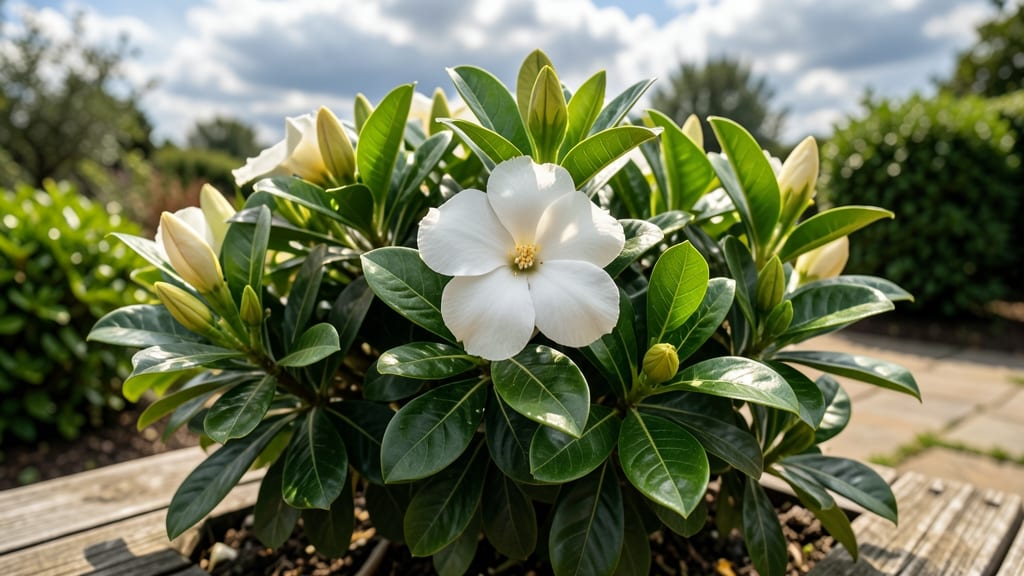
Gardenias in North Carolina typically bloom from late May through July, with their peak flowering in June. However, hardier varieties like Gardenia jasminoides can sometimes extend blooms into early August, depending on local growing conditions.
North Carolina's diverse climate creates distinct blooming windows for gardenias. 🌸 In the warmer coastal regions (USDA Zone 8), gardenias often start blooming as early as mid-May, while those in the Piedmont (Zone 7) or mountain areas (Zone 6) may not see flowers until late June.
The key factors influencing this timing are frost sensitivity—gardenias hate cold snaps—and humidity levels, which should stay consistently high for optimal blooming. Interestingly, the Kleim’s Hardy variety can handle slightly cooler temperatures, making it a great choice for inland gardeners who want extended blooms.
What's fascinating is how gardenias respond to care practices. Proper pruning after flowering (never in spring) and maintaining soil pH between 4.5–6.0 can actually encourage a second, smaller flush of blooms in fall.
I've found that using a low-nitrogen, high-phosphorus fertilizer in early spring gives my gardenias the energy boost they need for their main flowering season. The trade-off? Over-fertilizing can lead to lush foliage but fewer flowers—so moderation is key!
💡 In This Article
- Climate and Variety Factors Affecting Gardenia Blooms in NC
- Pruning and Care Tips to Extend Gardenia Blooming Seasons
Climate and variety factors affecting gardenia blooms in NC
North Carolina’s varied climate—from coastal warmth to mountain chill—creates distinct blooming windows for gardenias. In USDA Zone 8 (coastal areas like Wilmington), gardenias often begin blooming as early as mid-May due to milder winters and higher humidity.
Meanwhile, in Zone 7 (Piedmont) or Zone 6 (mountains), frost-sensitive gardenias may not flower until late June or even July, as cooler temperatures delay their growth cycle. The critical threshold is 50°F—any frost below this can damage buds and leaves, setting back blooms by weeks.
The humidity factor is equally important. Gardenias thrive in environments with 60-70% humidity, which North Carolina’s summer months typically provide. However, inland areas with drier air (like the Sandhills) may see shorter blooming periods unless gardeners add mulch or drip irrigation to maintain moisture.
Varieties like Gardenia jasminoides (the classic fragrant type) also respond to consistent humidity by producing larger, more abundant blooms—up to 3-4 inches wide—compared to their inland cousins.
Hardier cultivars like Kleim’s Hardy and Radicans adapt better to NC’s microclimates. Kleim’s Hardy, for example, can tolerate brief dips to 15°F without permanent damage, making it ideal for Zone 7 gardeners.
Its blooms arrive slightly later (around late May) but last longer, often extending into early August if pruned correctly. The trade-off? These varieties may produce slightly smaller flowers (2-3 inches) compared to tropical types, but their resilience makes them a favorite for inland landscapes.
Sunlight exposure plays a subtle but critical role. Gardenias need partial shade (4-6 hours of direct sun daily)—too much sun can scorch leaves, while too little reduces flower production. In NC’s hot summers, afternoon shade (from trees or lattice) helps maintain blooms.
I’ve noticed that gardenias in eastern-facing beds (morning sun) often bloom 1-2 weeks earlier than those in western exposures, thanks to gentler light conditions.
Soil acidity is the final piece of the puzzle. Gardenias demand acidic soil (pH 4.5–6.0)—a range that matches NC’s natural pine forests. Testing your soil (many county extension offices offer free kits) is essential: alkaline soil (common in Piedmont clay) can stunt blooms entirely.
Amending with peat moss or sulfur can adjust pH over time, but the results take 3-6 months to show. 🌿
What most gardeners overlook is how microclimates within NC create localized blooming patterns. For instance, a gardenia in Asheville (Zone 7a) might bloom 2 weeks later than one in Raleigh (Zone 7b)500 feet can shift blooming windows by 10-14 days, thanks to cooler nighttime temperatures at higher altitudes.