
Blooming
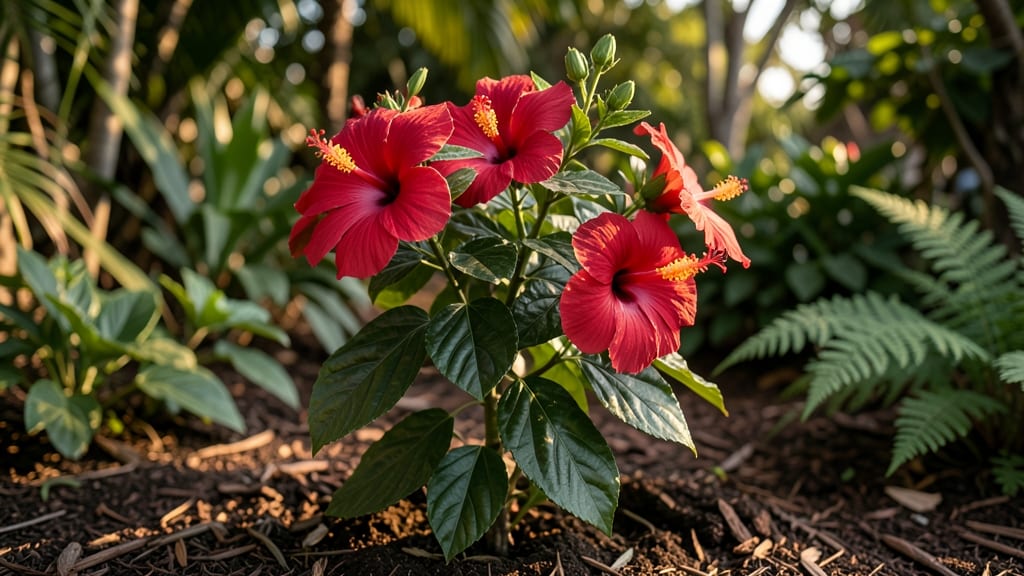
Hibiscus blooms in Florida kick off as early as February for tropical varieties and can stretch into December in the right conditions, turning your yard into a year-round floral show.
But here’s the catch: timing isn’t one-size-fits-all. Coastal hibiscus often bloom 2-4 weeks earlier than inland plants, while a late summer heatwave can push blooms into fall. If you’ve ever waited all spring for flowers that never arrive—or seen them fade too soon—you’re not alone.
Florida’s 9a-11 climate means hibiscus can thrive year-round, but heat zones, humidity spikes, and even pruning mistakes all play a role. The key to unlocking longer, brighter blooms lies in understanding your specific variety, microclimate, and a few simple care tweaks.
In this guide, I’ll break down the exact bloom windows by Florida region, share the top varieties that flower nonstop, and reveal the one pruning trick that can add 4+ extra weeks of color to your hibiscus—no matter where you garden.
Hibiscus blooming seasons in Florida by heat zone (8A vs. 9A vs. 10A)
Florida’s hibiscus blooms thrive year-round, but the peak bloom windows shift dramatically across the state’s USDA heat zones. In Zone 8A, cooler winters and occasional frost force hardy varieties into shorter bloom cycles, while Zone 10A’s tropical climate keeps tropical hibiscus flowering nearly nonstop.
Understanding these differences helps you choose the right varieties and adjust care for maximum colorful displays.
The key to hibiscus blooming success lies in matching your heat zone with the right hibiscus type. Tropical hibiscus (Hibiscus rosa-sinensis) dominates in Zones 9A-10A, while hardy hibiscus (Hibiscus syriacus, Hibiscus moscheutos) handle Zone 8A’s chillier winters.
Even within zones, microclimates—like coastal humidity or inland heat—can shift bloom timing by 2-4 weeks.
Here’s how temperature extremes affect flowering: Zone 8A plants often dormant in winter (Dec-Feb) and rebound with spring blooms (March-May).
Meanwhile, Zone 10A hibiscus may slow down in summer (June-Aug) due to intense heat and humidity stress. Zone 9A acts as a bridge, with year-round blooms but peak seasons in spring and fall.
In Zone 8A, hardy hibiscus like ‘Dwarf Blue’ bloom from May to September, while tropical varieties like ‘Aphrodite’ take a winter break (Dec-Feb).
To extend blooms, prune lightly in early spring and fertilize in March to kickstart growth. Zone 8A gardeners should also protect plants from frost with burlap wraps or mulch blankets.
Zone 9A offers the best of both worlds: year-round blooms with peak seasons in spring and fall. ‘Lady Baltimore’ and ‘Southern Belle’ thrive here, producing bold flowers from March to May and September to November. Summer heat (June-Aug) can reduce blooms, so provide afternoon shade and increase watering frequency to every 2-3 days.
For Zone 10A, tropical hibiscus like ‘Pink Giant’ and ‘Lava Red’ bloom year-round, but slow down in summer due to intense heat.
To rev up blooms, prune in late summer (August-Sept) to remove leggy growth and fertilize with low-nitrogen feed (e.g., 10-10-10) in September. Mulch heavily to retain moisture and reduce root stress.
If you’re in Zone 9A or 10A and want nonstop hibiscus blooms, plant a mix of varieties. For example, ‘Lady Baltimore’ (spring/fall) + ‘Pink Giant’ (summer) creates a continuous color show. Zone 8A gardeners should focus on hardy types like ‘Dwarf Blue’ and supplement with annuals
Top 5 hibiscus varieties that bloom year-round in Florida (with peak months)
Florida’s warm climate lets hibiscus shine year-round, but not all varieties perform equally. Some tropical hibiscus like Hibiscus rosa-sinensis thrive in Zone 10A-11, while hardier types like Hibiscus moscheutos handle Zone 9A winters better.
Choosing the right variety ensures continuous blooms from spring through fall—and even winter in mild areas.
For true year-round color, focus on these five Florida-friendly hibiscus varieties, each with distinct peak bloom seasons. I’ve included care tips to extend flowering and maximize your garden’s vibrancy, even during Florida’s occasional cooler spells.
- 🌸 Hibiscus rosa-sinensis (Tropical Hibiscus) Peak: March–November | Care: Full sun, monthly feeding in summer
- 🌿 Hibiscus syriacus (Rose of Sharon) Peak: June–September | Care: Prune after blooms, drought-tolerant once established
- 💧 Hibiscus moscheutos (Swamp Hibiscus) Peak: July–October | Care: Moist soil, cut back in spring for rebloom
- ☀️ Hibiscus coccineus (Scarlet Hibiscus) Peak: May–August | Care: Full sun, remove spent blooms for continuous flowers
- 🌺 Hibiscus acetosella (Cranberry Hibiscus) Peak: April–September | Care: Well-draining soil, light pruning after frost
Peak months vary by Florida region—coastal areas may bloom 1–2 months earlier than inland zones.
To extend blooming seasons, I recommend monthly pruning after peak months (e.g., trim Hibiscus syriacus in October) to encourage new growth and winter blooms.
For tropical hibiscus, a light winter feed in December can jumpstart spring flowers, while hardy varieties like Hibiscus moscheutos benefit from spring pruning to remove dead stems.
Pro tip: Mulch around your hibiscus in late summer to insulate roots during Florida’s rare cooler snaps. This helps prolong blooming into December, especially for Zone 9A gardens. Just avoid over-mulching—hibiscus roots need air circulation to prevent fungal issues.
For maximum year-round color, plant a mix of early bloomers (like Hibiscus acetosella) and late-season varieties (such as Hibiscus rosa-sinensis). This staggered approach ensures your garden never loses its hibiscus charm, even during Florida’s brief "off-seasons."