
Blooming
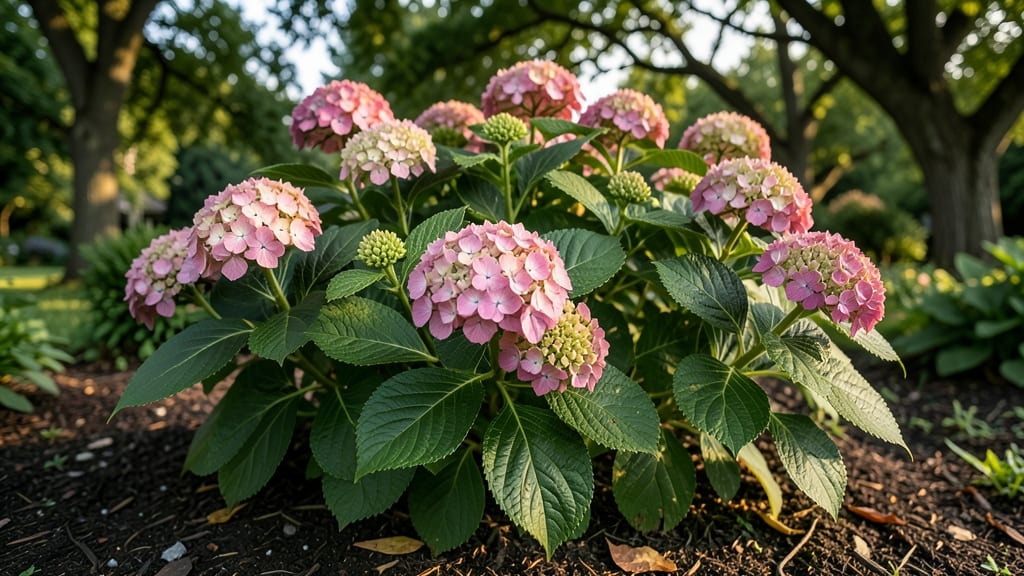
Hydrangeas bloom in Massachusetts between June and September, with exact timing depending on your variety and hardiness zone.
If you’re dreaming of vibrant hydrangea blooms in your Massachusetts garden, timing is everything—some varieties burst into color as early as June, while others wait until September. But knowing exactly when to expect those showstopping flowers depends on your specific hydrangea type and your local hardiness zone.
In Zone 5b (northern MA), blooms often arrive a few weeks later than in Zone 6b (southern MA), thanks to cooler springs. Coastal areas may see earlier blooms due to milder temperatures, while inland gardens might need a little extra patience.
Below, I’ll break down the bloom schedule by variety—bigleaf, panicle, oakleaf—and share pro tips to coax earlier or longer blooms in your garden.
Hydrangea bloom times in Massachusetts by variety: month-by-month guide
Massachusetts gardeners know that hydrangeas are the showstoppers of summer, but their bloom times vary wildly depending on the variety. In Zones 5b-6b, you can expect blooms as early as late May or as late as September.
The key is understanding which hydrangeas thrive in your specific microclimate—whether you're in coastal New Bedford or inland Worcester.
Bigleaf hydrangeas (Hydrangea macrophylla) are the earliest bloomers, often bursting into color by June, while panicle hydrangeas (Hydrangea paniculata) can keep flowering until October. Oakleaf hydrangeas (Hydrangea quercifolia) offer a mid-season show with peak blooms in July-August.
Let’s break down the exact months for each variety so you can plan your garden’s seasonal highlights.
📌 Pro Tip: Coastal areas (like Zone 6b) tend to have earlier blooms by 1-2 weeks compared to inland Zone 5b regions due to milder winters and warmer springs.
| Variety | Bloom Time (MA Zones 5b-6b) | Peak Month | Notes |
|---|---|---|---|
| Bigleaf Hydrangea (H. macrophylla) | Late May - Early September | June-July | Earliest bloomer; blue/pink flowers. Prune after blooming. |
| Panicle Hydrangea (H. paniculata) | June - October | July-August | Longest bloom season; white/pink cones. Prune in late winter. |
| Oakleaf Hydrangea (H. quercifolia) | June - August | July | Fragrant blooms; white flowers turn pinkish. Loves shade. |
| Smooth Hydrangea (H. arborescens) | Late June - September | July-August | Drought-tolerant; white lacecap flowers. Prune in early spring. |
If you’re growing bigleaf hydrangeas, like the popular 'Endless Summer' series, expect buds to swell in late May with full blooms by June. These varieties are frost-sensitive, so late spring frosts in Zone 5b (like those in Northampton) might delay blooms by 1-2 weeks.
To protect them, consider lightweight frost cloth if frost is forecasted after buds form.
For panicle hydrangeas, such as 'Limelight' or 'Little Lime', the show starts in June but peaks in July-August. These varieties are heat-tolerant and often continue blooming into September, making them ideal for late-summer color.
In Zone 6b (like Providence, RI), they may even bloom into early October.
🌿 Soil pH Tip: Bigleaf hydrangeas change color based on soil pH—blue in acidic soil (pH 5.5) and pink in alkaline soil (pH 6.5+). Test your soil in early spring and amend with lime or sulfur to control color.
Oakleaf hydrangeas (H. quercifolia) are mid-season stars, with blooms appearing in June and lasting through August. Their exfoliating bark and fall foliage add year-round interest. In shadier spots (like under maple trees), they may bloom slightly later but produce larger flowers.
Smooth hydrangeas (H. arborescens), including the 'Annabelle' variety, are late bloomers that start in late June and continue until September. They’re drought-tolerant once established, making them perfect for low-maintenance gardens.
If you’re in drier inland areas (like Worcester), mulch around the base to retain moisture during July-August heatwaves.
To extend your hydrangea season, deadhead spent blooms in early fall (except for panicle hydrangeas, which bloom on new wood). For bigleaf and oakleaf varieties, remove faded flowers to encourage reblooming on next year’s growth.
In Zone 5b, protect tender varieties with mulch in late fall to insulate roots from freezing temperatures.
Plan your garden layout around these bloom times! Pair early bigleaf hydrangeas with late-blooming coneflowers for a June-July extravaganza, or combine panicle hydrangeas
How Massachusetts climate and hardiness zones affect Hydrangea blooming
Massachusetts spans two USDA hardiness zones—Zone 5b in the north and Zone 6b in the south—and this shift of just 10°F can dramatically alter when your hydrangeas bloom.
In southern MA (Zone 6b), bigleaf hydrangeas often burst into color by mid-June, while in northern MA (Zone 5b), they may wait until late July. The difference? Soil warmth and frost timing—both critical for breaking dormancy.
Warmer southern soils thaw earlier, giving hydrangeas a head start. Meanwhile, northern gardens face late spring frosts (often until May 15), which can delay blooms by 3-4 weeks.
Even panicle hydrangeas, which bloom on new wood, feel the impact—Zone 6b gardens might see flowers in June, while Zone 5b waits until August.
To combat these delays, I’ve found that mulching in early spring (with 3-4 inches of straw) helps retain soil heat, while pruning in late winter (before buds swell) encourages earlier blooms.
For Zone 5b gardens, I recommend choosing late-blooming varieties like 'Limelight' panicle hydrangeas, which thrive in cooler soils and often flower by July 15—a full month earlier than bigleaf types.
Another trick? Plant near south-facing walls or use black plastic mulch to warm soil faster. I’ve seen oakleaf hydrangeas bloom a full 2 weeks earlier in raised beds with compost-amended soil—the extra warmth makes all the difference.
Just avoid over-fertilizing with nitrogen, which can delay flowering as the plant focuses on foliage instead of blooms.
If you’re in Zone 6b, you’re in luck—your hydrangeas may bloom 4-6 weeks earlier than northern neighbors. But don’t assume they’ll last longer! Late summer frosts (common after September 15) can still nip buds.
To extend the season, I prune spent blooms in early fall (after frost) and add a light mulch layer to protect roots through winter.
For both zones, watering consistency is key—hydrangeas need 1-2 inches of water weekly during bloom season. In Zone 5b, I water deeply every 10 days in dry spells, while Zone 6b gardens can often stretch to bi-weekly watering.
The goal? Keep roots cool and hydrated to support those stunning hydrangea blooms from start to finish. 🌸