
Blooming
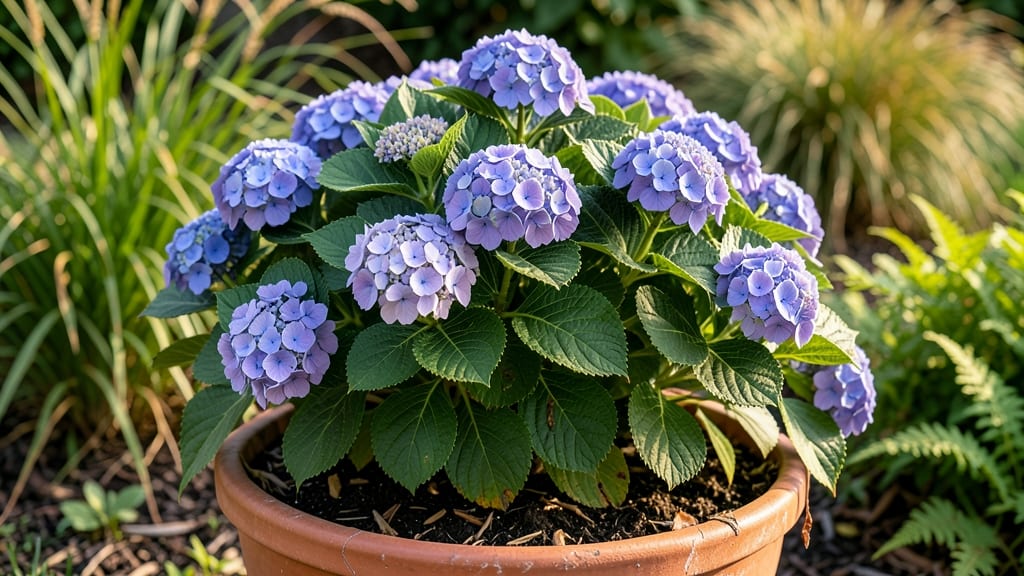
Hydrangeas bloom in Virginia between May and September, depending on the variety and your local microclimate — but the exact timing can feel like a guessing game without the right clues.
Virginia gardeners know the thrill of hydrangeas bursting into color—but timing is everything. If you’ve ever wondered why your 🌸 hydrangeas bloom late (or not at all) in Zone 7A, the answer lies in frost dates, variety selection, and a few hidden growing secrets.
Bigleaf hydrangeas, the showstoppers with their lush clusters, typically bloom in late June to August, while panicle types like ‘Limelight’ start as early as May. Oakleaf varieties often wait until July, stretching their show into September.
In this guide, I’ll break down the month-by-month bloom windows for Virginia’s most popular hydrangeas, share frost-proofing tips to protect your blooms, and reveal which varieties thrive best in the state’s unpredictable spring.
Hydrangea bloom timing in Virginia zone 7A: month-by-month expectations
Virginia’s Zone 7A climate creates the perfect stage for hydrangeas, but their bloom timing depends heavily on variety and frost dates. With last spring frost typically arriving between March 15–April 15, your hydrangeas need just the right conditions to burst into color.
Understanding these windows helps you plan for maximum blooms and avoid disappointment when buds fail to open.
Not all hydrangeas bloom at the same time—bigleaf hydrangeas often flower on old wood, while panicle and oakleaf varieties set buds on new growth. This means pruning timing can make or break your season-long color display.
Let’s break down what to expect month by month in Virginia’s humid subtropical climate.
| Variety | Bloom Window | Key Notes |
|---|---|---|
| Bigleaf (e.g., 'Endless Summer') | May–June | Flowers on old wood; prune after blooming |
| Panicle (e.g., 'Limelight') | July–September | Flowers on new wood; prune in late winter |
| Oakleaf (e.g., 'Snow Queen') | June–August | Late-season bloomer; drought-tolerant |
| Mountain (e.g., 'Annabelle') | June–July | Early bloomer; thrives in full sun |
In May, your bigleaf hydrangeas like 'Endless Summer' will likely be the first to show color, thanks to their reliance on last year’s growth. These varieties need consistent moisture during spring to support bud development, so water deeply once a week if rainfall is scarce.
If you notice buds forming but not opening, late frost damage could be the culprit—keep an eye on forecasts!
By June, oakleaf hydrangeas like 'Snow Queen' join the party, offering pink or white blooms that last well into summer. Their late-season timing makes them perfect for extending your garden’s color palette.
Meanwhile, panicle hydrangeas like 'Limelight' are still building their buds for their July–September show. These varieties are more forgiving if pruned in late winter, as they bloom on new growth.
July is peak season for panicle hydrangeas, which produce cone-shaped flowers that last until frost. Their heat tolerance makes them ideal for Virginia’s humid summers. If your panicle hydrangeas aren’t blooming, check your pruning timing—cutting back in fall or winter removes next year’s buds.
For bigleaf varieties, this is also the time to feed with balanced fertilizer (10-10-10) to support next year’s blooms.
As summer winds down, oakleaf hydrangeas steal the show with their long-lasting blooms and stunning fall foliage. These varieties are drought-tolerant once established, making them low-maintenance stars for Virginia gardens.
If your oakleaf hydrangea isn’t flowering, it might need more sunlight—aim for morning sun and afternoon shade to prevent leaf scorch.
By August, most hydrangeas are in their second bloom phase, with panicle varieties still going strong. This is also the time to adjust watering—reduce frequency to every 10–14 days unless you’re experiencing a heatwave.
Overwatering in late summer can lead to root rot, especially in heavy clay soils common in Virginia’s Piedmont region.
September brings the final flourish for many hydrangeas, particularly panicle and oakleaf varieties. Their late-season blooms provide a much-needed splash of color as other perennials fade.
If you’re planning to prune for next year, wait until late fall or early winter—this gives your plants time to harden off before Virginia’s first frost, typically around mid-October.
Understanding these month-by-month expectations helps you anticipate blooms and troubleshoot issues early. For example, if your bigleaf hydrangea skips blooming in May, it might need more winter chill or better drainage. Similarly, panicle hydrangeas that bloom late may benefit from earlier pruning in late winter.
Pro tip: Use mulch in late fall to protect roots from freeze-thaw cycles, which can stress hydrangeas. A 3-inch layer of mulch also helps retain moisture during Virginia’s hot, dry summers.
With the right care, your hydrangeas will reward you with months of vibrant color—just follow their natural bloom timeline! 🌸
How to extend hydrangea blooms in Virginia’s unpredictable spring
Virginia’s Zone 7A climate throws curveballs with late frosts that can nip hydrangea blooms in the bud—literally. The key to longer, healthier blooms starts with smart pruning timing and protective strategies tailored to Virginia’s unpredictable spring.
Unlike cooler zones, our mild winters and variable frost dates (March 15–April 15) demand a different approach to keep those show-stopping blooms coming.
First, understand that hydrangea varieties bloom at different times. Bigleaf hydrangeas (Hydrangea macrophylla) typically bloom on old wood (last year’s growth), while panicle hydrangeas (Hydrangea paniculata) bloom on new wood. Oakleaf hydrangeas (Hydrangea quercifolia) are a bit of both!
Knowing your specific variety is critical because pruning at the wrong time can delay blooms by months—or worse, leave you with no flowers at all.
⚠️ Pruning Mistake Alert!
Cutting back bigleaf hydrangeas in late winter or early spring (before buds swell) removes old wood blooms—meaning no flowers that year. Virginia’s Zone 7A frost window makes this especially risky. Wait until after blooming (late summer/fall) for bigleaf types, but prune panicle hydrangeas in late winter/early spring to encourage new wood growth.
To protect blooms from late frosts, start with mulching. Apply a 3-inch layer of mulch (like shredded bark or pine straw) around the base of your hydrangeas in early spring.
This insulates roots from temperature swings and retains moisture, giving plants a head start on growth before Virginia’s infamous April frost. For extra protection, cover tender new growth with frost cloth on nights when temperatures dip below 32°F.
Next, leverage microclimates to your advantage. Plant hydrangeas near south-facing walls or fences, which absorb heat during the day and radiate it back at night—creating a warmer microclimate that delays frost damage. Avoid low-lying areas where cold air pools, as these spots can 延迟 blooming by weeks.
If you’re growing hydrangeas in containers, move them closer to protected walls or bring them indoors during extreme cold snaps.
Watering plays a surprisingly big role in extending blooms. Hydrangeas need consistent moisture, especially during bud formation (late spring). Water deeply once a week (or more in drought conditions) to encourage larger, longer-lasting blooms.
Avoid overhead watering, which can promote fungal diseases like powdery mildew—a common issue in Virginia’s humid summers. Instead, use a soaker hose or drip irrigation to deliver water directly to the roots.
Finally, feed your hydrangeas with balanced fertilizer in early spring (as new growth appears) to support vigorous blooming. Use a 10-10-10 formula (1 tablespoon per plant) and avoid high-nitrogen fertilizers, which promote leafy growth at the expense of flowers.
For longer-lasting color, add hydrangea-specific flower food or aluminum sulfate (for blue blooms) or lime (for pink blooms) in late spring, once buds form.
With these Virginia-specific strategies, you can extend blooms by 4–6 weeks and even recover from frost damage. The secret? Timing, protection, and patience—just like the unpredictable spring we love to hate. 🌸