
Blooming
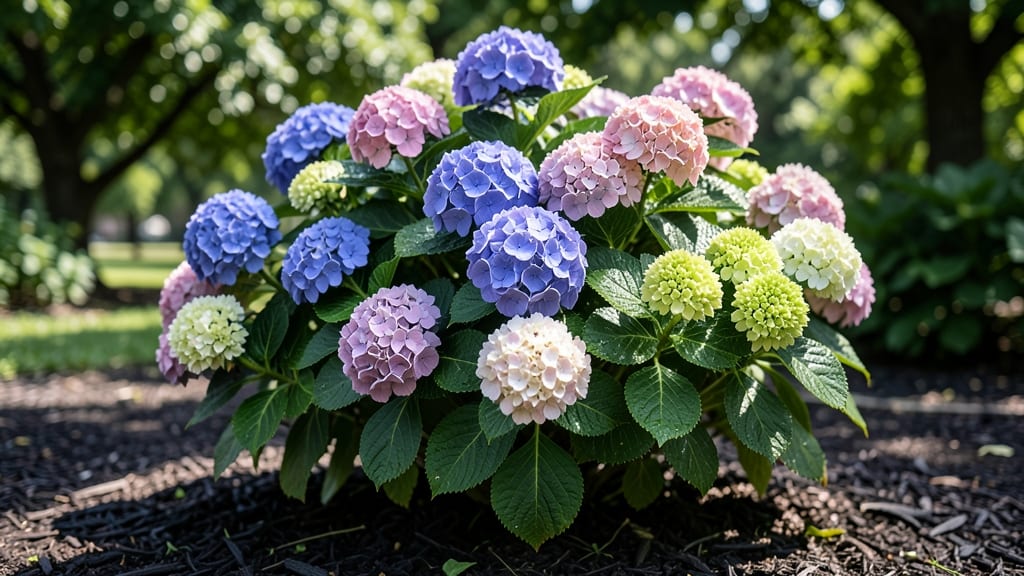
Hydrangeas in Wisconsin bloom between late May and August, depending on the variety and your last frost date — but getting it right means avoiding the heartbreak of frost-nipped buds.
Wisconsin gardeners know the struggle: waiting months to see your hydrangeas burst into color, only to risk a late frost cutting them short. Timing is everything, and understanding the exact bloom windows for Wisconsin’s climate can mean the difference between a stunning summer display and a disappointing flop.
Bigleaf hydrangeas (like the classic ‘Endless Summer’) typically bloom on old wood, so they set buds the year before. Panicle types (such as ‘Limelight’) bloom on new wood, giving you more flexibility with pruning.
Oakleaf varieties often bloom twice — once in spring and again in summer — but only if you protect them from late frosts.
In this guide, I’ll break down the bloom schedule by variety, share Wisconsin-specific tips to extend your blooms, and help you pick the best hydrangeas for your frost zone. No more guessing — just reliable color from May through August.
Wisconsin hydrangea bloom timing by variety and frost zones
Wisconsin’s diverse frost zones—ranging from Zone 4a in the north to Zone 6b in the south—create significant variations in hydrangea bloom timing. Understanding these differences helps you choose the right varieties for your location and anticipate when to expect those show-stopping blooms.
Late spring frosts are a real threat, so knowing your last frost date (typically mid-April to early May) is crucial for protecting delicate buds.
Hydrangeas bloom on either old wood (last year’s growth) or new wood (current year’s growth), which affects pruning timing and frost sensitivity. Bigleaf hydrangeas (Hydrangea macrophylla) are particularly vulnerable to late frosts because they set buds on old wood in late summer or early fall.
Meanwhile, panicle and smooth hydrangeas produce blooms on new wood, offering more flexibility in Wisconsin’s unpredictable climate.
Northern Wisconsin (Zones 4a-5a) experiences shorter growing seasons and later last frosts, often delaying blooms by 2-3 weeks compared to southern regions like Milwaukee or Madison (Zones 5b-6b).
For example, a ‘Endless Summer’ bigleaf hydrangea might bloom in late June to early July in Madison but wait until mid-July in the Eau Claire area.
Oakleaf hydrangeas (Hydrangea quercifolia) are an exception—they bloom on old wood but often produce secondary flushes on new wood, extending their display.
To visualize bloom timing across Wisconsin’s frost zones, here’s a quick reference for the four main hydrangea types:
| Variety | Bloom Type | Zone 4a (North WI) | Zone 5a (Central WI) | Zone 6b (South WI) | Frost Risk |
|---|---|---|---|---|---|
| Bigleaf (e.g., 'Endless Summer') | Old & New Wood | Mid-July | Late June | Early June | High (late May) |
| Panicle (e.g., 'Limelight') | New Wood | Late June | Mid-June | Late May | Low (new growth) |
| Oakleaf (e.g., 'Snow Queen') | Old Wood + Rebloom | Late June | Early July | Late June | Medium (fall buds) |
| Smooth (e.g., 'Annabelle') | New Wood | Early July | Late June | Mid-June | Low (hardy buds) |
In Milwaukee (Zone
How to extend hydrangea blooms in Wisconsin’s unpredictable climate
Wisconsin’s unpredictable spring frosts and summer heat waves can turn your hydrangea dreams into disappointment. But with the right strategies, you can protect those delicate blooms and enjoy vibrant color from June through September.
The key lies in understanding your hydrangea’s blooming wood type—whether it’s old wood, new wood, or both—and adjusting your care accordingly.
First, let’s tackle the biggest threat: late frosts. Even after buds swell in late April or May, a sudden 28°F dip can wipe out blooms overnight. Then, once flowers appear, heat waves above 90°F can cause buds to brown and drop prematurely.
The solution? A mix of pruning precision, mulching mastery, and smart watering—plus a few clever microclimate hacks.
Don’t overlook the power of container gardening if your yard has frost pockets. Potted hydrangeas give you mobility—move them to warmer microclimates when frost warnings pop up. Just ensure containers have drainage holes and use lightweight potting mix to prevent root rot.
I’ve seen ‘Limelight’ hydrangeas in containers thrive in Madison’s Zone 5b by simply rolling them into my garage during late May cold snaps.
For established hydrangeas in the ground, late-spring frost cloth can be a game-changer. Drape it over plants when overnight temps drop below 32°F, securing edges with bricks or stakes. Remove it by 10 AM to avoid heat buildup.
Pair this with circulation fans on warm summer nights to prevent bud drop from heat stress. My oakleaf hydrangeas in Green Bay’s Zone 4b have rebloomed reliably for three weeks longer since I added these tricks.
Finally, feed your hydrangeas early in the season with a balanced 10-10-10 fertilizer to jumpstart growth. But stop fertilizing by mid-July—new growth after this point won’t have time to harden off before winter.
Instead, focus on mulching and watering to stress-proof your plants. With these adjustments, you’ll turn Wisconsin’s unpredictable climate into your hydrangea’s superpower—not its downfall.